The services below cover the illnesses that most often lead a business or household to call for help. Each one explains who it fits, what a crew does, and the record you should receive.
Get an email reply about infectious disease disinfection
Send a short message and get an instant email confirmation. A coordinator then replies by email. This form does not send emergency help; call 911 first if anyone is in danger.
Which service fits your situation?
The right service depends on the kind of illness and the place it spread. A stomach bug in a daycare calls for a different plan than a skin infection concern in a locker room. Fogging is not a separate cure. It is a way of applying a product after surfaces are cleaned.
In every case, the crew should use products whose labels list the germ and follow those labels. They should also follow guidance from your local health department and public health agencies. If you are unsure what illness is involved, the company can plan around the most likely one.
The services, one by one
COVID-19 & Coronavirus Disinfection
Who it is for: Offices, shops, churches, and homes where someone with COVID-19 or a similar respiratory illness spent time. It fits when you want a documented cleaning before people return.
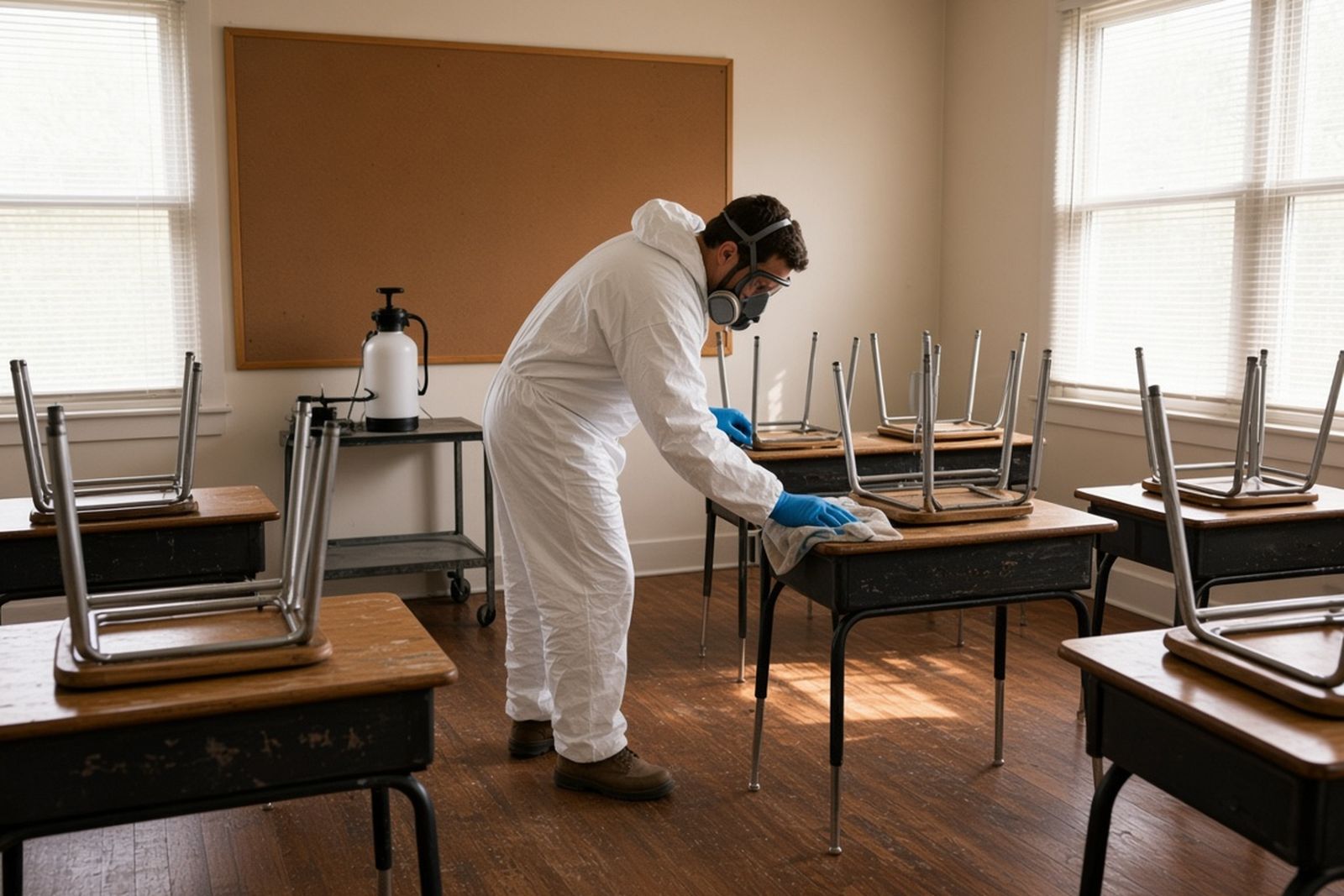
The crew cleans and then disinfects the rooms and surfaces the sick person used, with extra focus on shared devices and door handles. Products are chosen from those whose labels list the virus, and each surface stays wet for the listed time. The crew may also suggest airing out rooms, following public health guidance.
What you should get: A record of products, EPA numbers, rooms treated, and the time the space can be used again.
Norovirus & Gastrointestinal Outbreak Response
Who it is for: Daycares, schools, restaurants, care homes, and camps where vomiting and diarrhea spread among several people. It also fits a home where a stomach bug hit the whole family.
Vomit and diarrhea are cleaned up first, with a wide area around each spot. Bathrooms, railings, and shared eating areas get close attention. The crew uses products whose labels list the germ and gives advice on washing or discarding soft items.
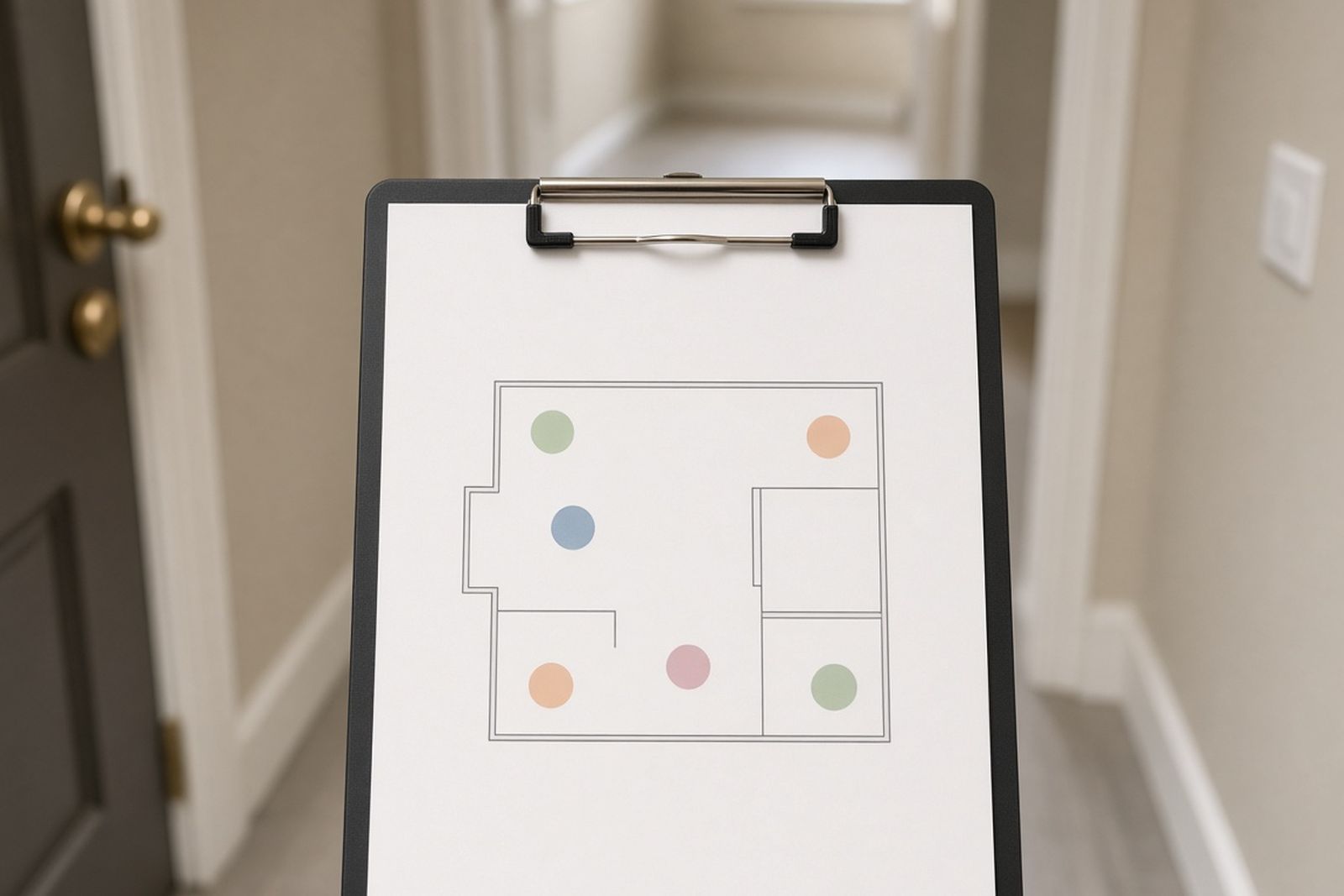
What you should get: A map of the areas treated and a note on which soft items were washed, set aside, or thrown out.
MRSA & Healthcare-Associated Infection Control
Who it is for: Gyms, locker rooms, sports teams, group homes, and small clinics with a skin infection concern or a staph case. It adds to, and never replaces, the facility's own infection control plan.
The crew focuses on benches, mats, shared equipment, and bathroom surfaces that touch bare skin. They pick products whose labels list the germ and keep surfaces wet as directed. Clean and dirty tools are kept apart so cloths do not spread germs. Decisions about who can return to play or work stay with a doctor.
What you should get: A written log of methods and products that fits a facility's audit or inspection files.
Facility-Wide Fogging Services
Who it is for: Larger buildings that want a product applied over many surfaces at once, after hand cleaning is done. It suits spaces with lots of hard-to-reach surfaces.
High-touch surfaces are wiped and cleaned before any fogging starts. The crew covers food areas and sensitive electronics, then applies a product that is labeled for fog or spray use. The building stays empty for the time the label sets, and the heating and cooling system is managed during the work.
What you should get: The product name, EPA number, area covered, and the earliest safe time to go back in.
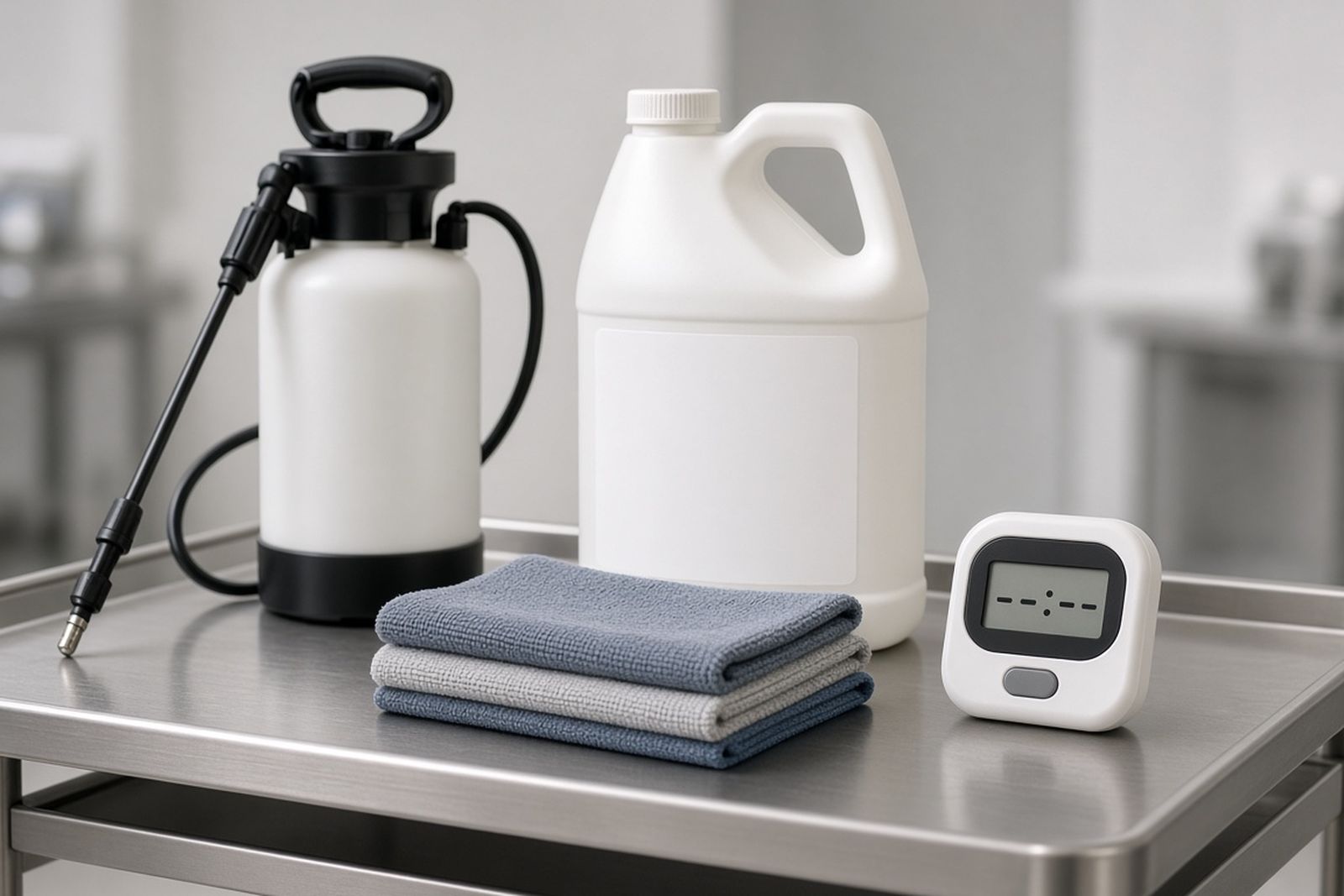
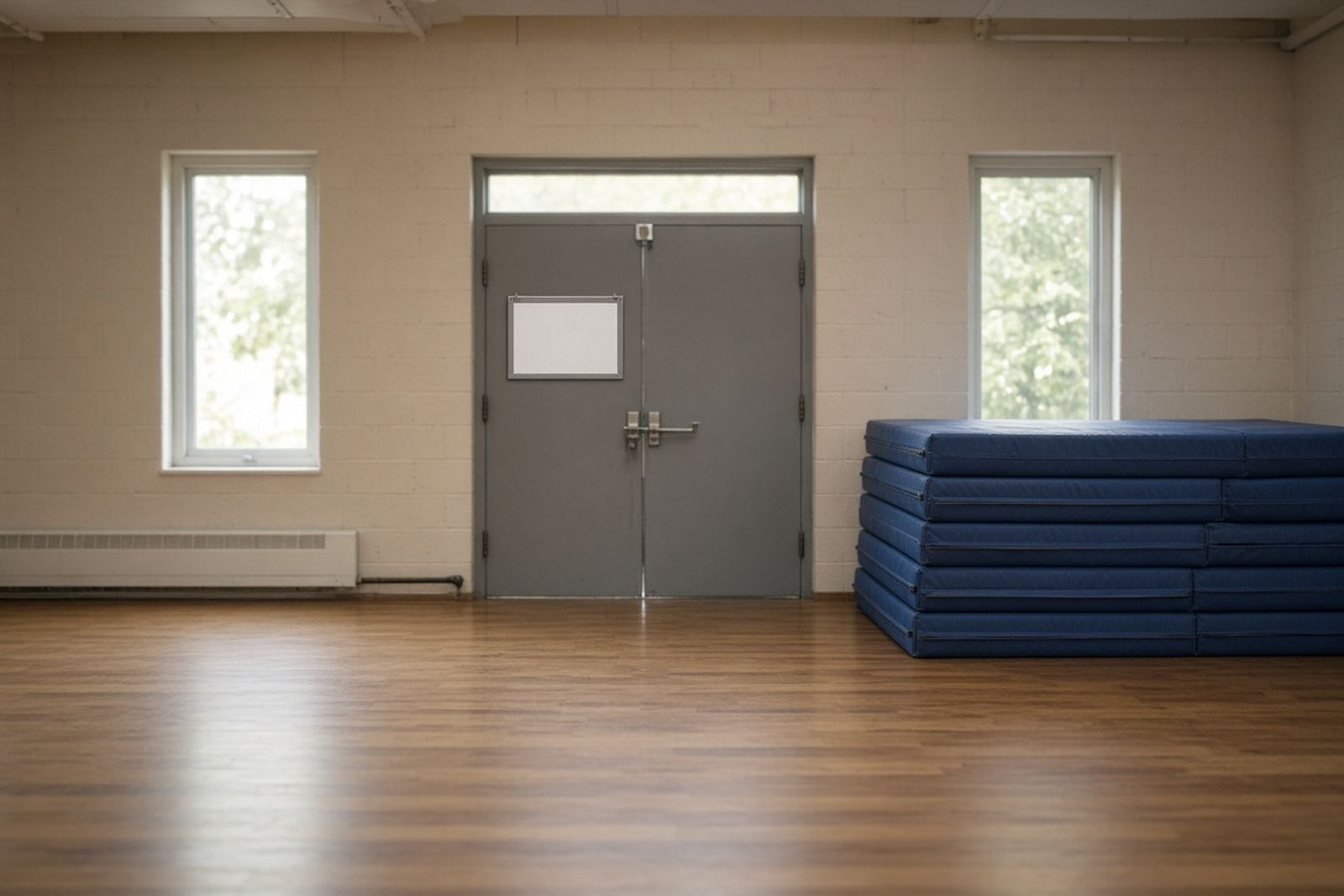
Illustrative photo, not a job record. Pump sprayer, disinfectant jug, folded cloths and a contact-time timer on a steel cart.Illustrative photo, not a job record. Empty gym with exercise mats stacked by the doors and a blank notice on the door.
Infectious Disease Disinfection in numbers
81%
81% reported bleach use on high-touch surfaces in contact-isolation rooms.
Read with care: 47 of 273 contacted participated; practices were reported rather than observed.
Source: Han et al. (2021)47 US hospital environmental-services respondents across 26 states; 2019 survey.
98.1%
Manual wiping met the study's disinfection-success criterion on 98.1% of surfaces versus 75.5% for UV-C.
Read with care: Specific device, protocol and success criterion; no patient infection endpoint.
Source: Knobling et al. (2023)Naturally contaminated surfaces in a comparative field test.
8
Products above pH 8 accounted for 74% of failures in the experiment.
Read with care: Accelerated test conditions; not a failure rate for installed equipment.
Source: Jennings et al. (2024)Eight wipe formulations tested on healthcare plastics under fixed strain for seven days.
11
Eight of 11 interviewees were unaware of asthma risk associated with cleaning work.
Read with care: Small voluntary sample; no causal inference; survey item nonresponse substantial.
Source: Wilson et al. (2023)59 Arizona survey respondents and 11 interviewees from maid services and a school district.
These figures are public research and agency data, not this network's own job records. Keep each number with its population, year and limits; none of them predicts cost, timing or outcome at a specific property.
Things a disinfection crew does not do
Diagnose or treat illness. See a doctor, clinic, or nurse advice line.
Decide when a school, daycare, or business must close or can reopen. Your local health department and licensing agency guide that.
Test people or surfaces to prove an illness is gone. Public health labs and doctors handle testing.
Clean heating and air ducts. A duct cleaning company or HVAC contractor does that.
Replace carpet, furniture, or other items that had to be thrown out. Your regular vendors or contractors handle it.
What happens after the visit?
A light chemical smell may linger for a short time, so keep windows open where you can. Surfaces will be touched again as soon as people return, so keep up routine cleaning of high-touch spots and hand washing. If new cases keep appearing, call your health department again rather than relying on another round of spraying.
File the crew's record with your safety or licensing papers. An outbreak can be stressful for staff, parents, and residents, so a short, calm update about what was done helps. Keep the message factual and avoid naming anyone who was sick.
Findings from published studies of people and properties in situations like this one. They describe what researchers observed in a specific group; they are not predictions for your case.
Conferences and study days were a major source of biofilm knowledge.
Every count is a real visitor vote; nothing is seeded or padded. One vote per poll per device, and you can change your answer.
Your experience
When your facility had an illness cluster, how did you handle cleaning?
No visitor votes yet
Process
How did you decide whether to close all or part of the facility?
No visitor votes yet
General
What was the hardest part of communicating with staff or families?
No visitor votes yet
Before you hire: infectious disease disinfection questions
Should our heating and cooling system be part of the plan?▼
Public health agencies often suggest bringing in more outdoor air and keeping filters in good shape during respiratory illness. A disinfection crew usually does not clean ducts. Ask your HVAC contractor about filter changes and air settings. If the crew is fogging, the system may need to be turned off during the work so the product settles on surfaces as the label intends.
How are gym mats and locker rooms handled?▼
Mats and benches are cleaned first to remove sweat and dirt, then disinfected with a product whose label lists the germ and is safe for that surface. Torn or cracked mats are hard to clean and may need repair or replacement. Showers, sinks, and locker handles get attention too. Remind members to cover cuts and avoid sharing towels or razors.
Will the products harm keyboards, phones, and touchscreens?▼
They can if they are sprayed directly or used on the wrong material. Crews usually apply the product to a cloth, then wipe the device, keeping liquid out of ports and seams. Check the device maker's cleaning directions and share them with the crew. Some products leave a residue, so ask about that before the work starts.
What happens to kitchen and food prep areas?▼
Food prep surfaces need products whose labels allow use there, and many labels require a rinse with clean water afterward. The crew should cover or remove food, dishes, and utensils first. If you run a restaurant or cafeteria, follow your food safety rules and check with your local health department before reopening the kitchen.
Can the company say our building is now safe?▼
A careful company will tell you what it did, where, and with which products. It should not promise that no one will get sick again. People can bring the illness back in, and surfaces are touched again right away. Decisions about reopening and whether an outbreak is over come from your health department and, for patients, their doctors.
Can we treat just a few rooms instead of the whole building?▼
Often yes. If the sick people used only certain rooms, bathrooms, and entrances, the crew can focus there. Shared spaces like break rooms and front desks are usually included because many people pass through them. Share your notes on where sick people spent time, and the company can suggest a plan that fits the spread.
Will the crew's protective gear alarm our staff or families?▼
It might, so plan ahead. Crews may wear gloves, gowns, masks, and eye protection to protect themselves from the products and the germs. Many facilities schedule the work after hours for this reason. A short note to staff or parents explaining that gear is normal for this work can ease worry.