Infectious Disease Disinfection: Process & What to Expect
Property-specific walkthroughs for infectious disease disinfection: assessment, scope approval, hazard controls, material decisions, documentation, verification, and restoration handoff. Not every phase applies to every incident.
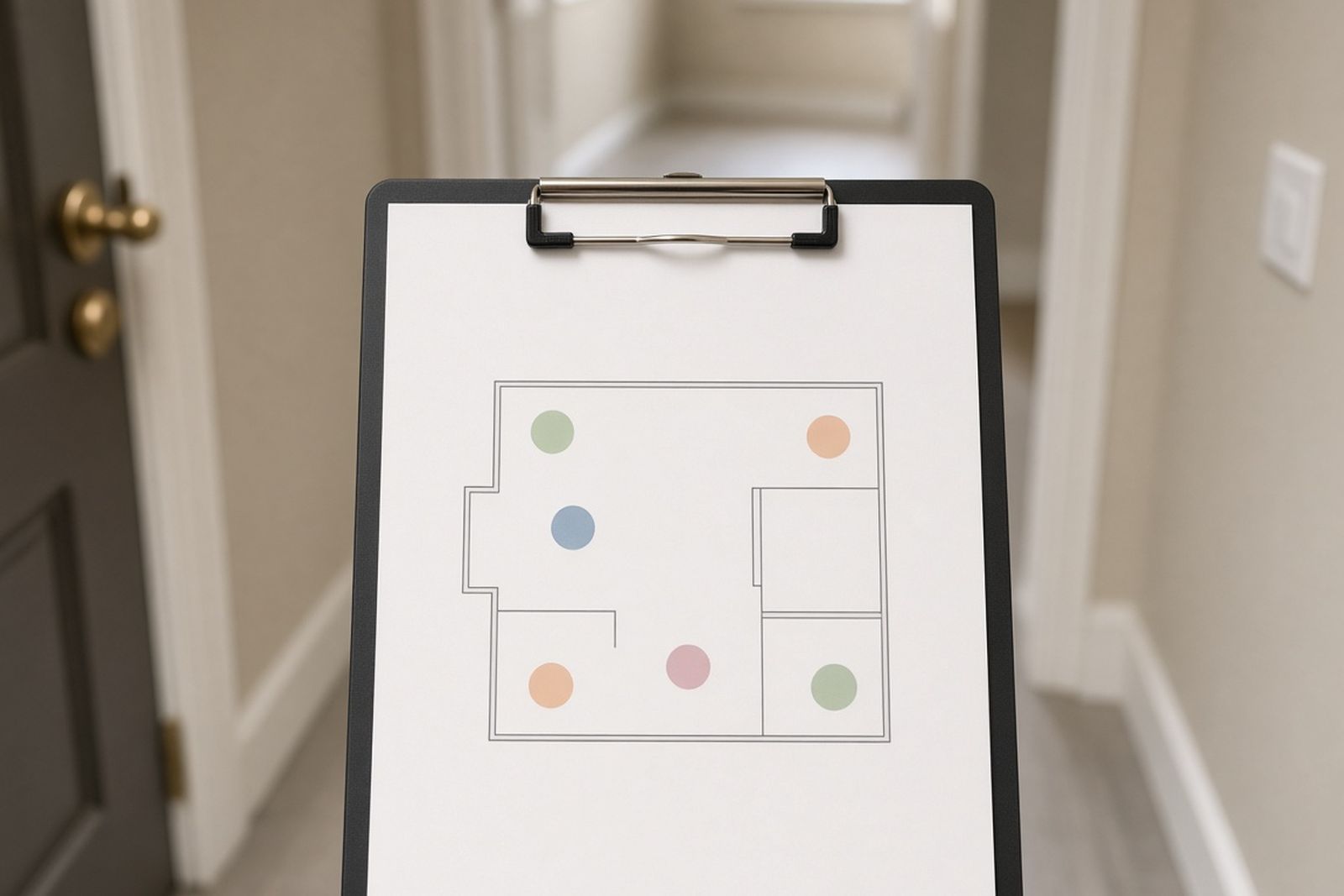
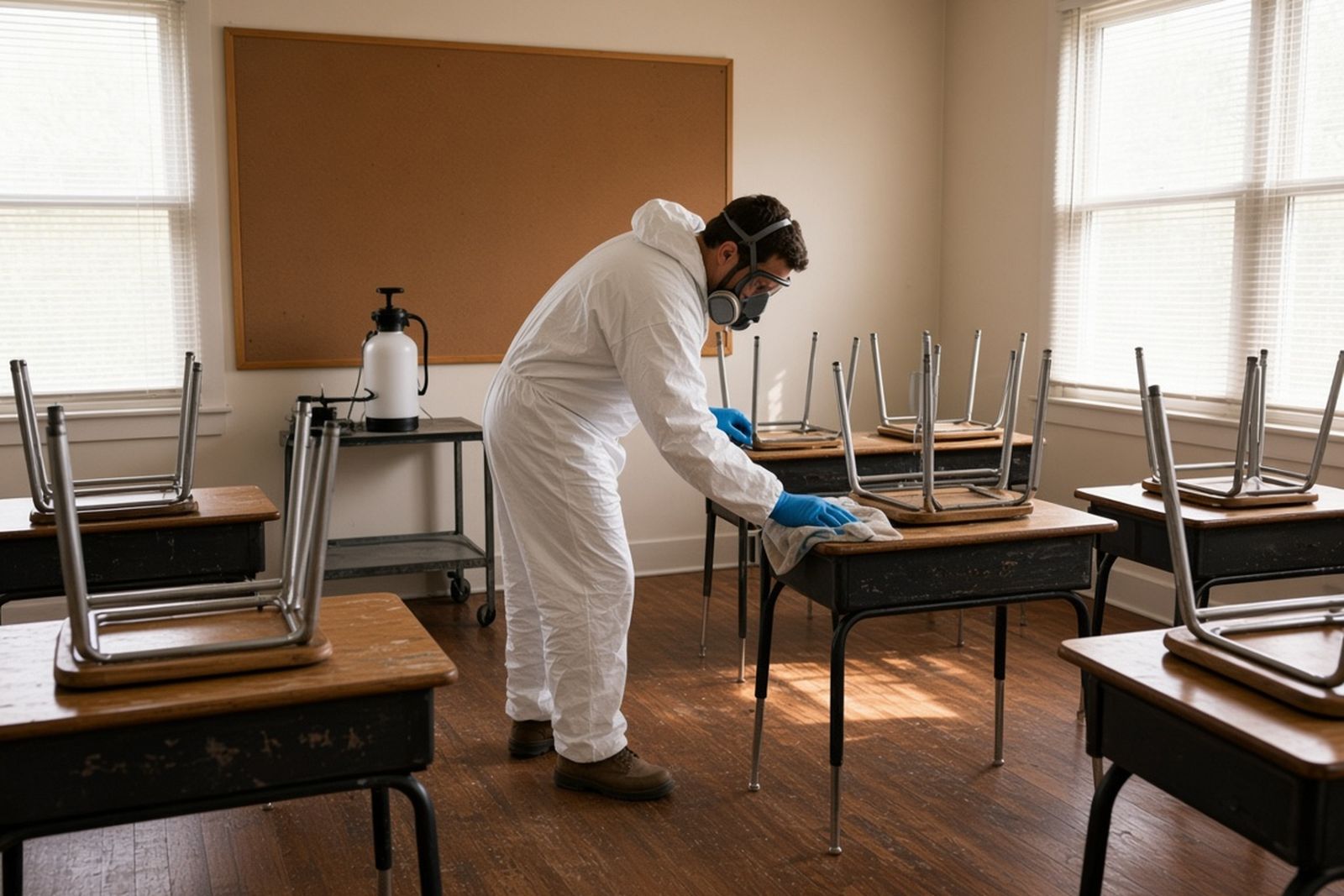
Posts in this category describe an outbreak disinfection visit from arrival to reopening. You will read about the walk-through, where a technician maps high-touch surfaces with someone who knows the building. You will read about the cleaning step that removes dirt so a disinfectant can reach the surface. Then comes the spraying or wiping itself, and the wait while products stay wet and rooms air out. Several posts compare a response in one classroom with work across a whole care facility. They explain how crews move between clean and dirty zones without carrying germs along.
Get an email reply about infectious disease disinfection
Send a short message to the follow-up inbox. A coordinator can reply by email. This form does not send emergency help; call 911 first if anyone is in danger.
Knowing the order of steps ahead of time helps you plan. You can arrange staffing, move residents or students, and tell families what to expect without promising too much. It also helps you spot a proposal that skips steps. A vendor may plan to fog before wiping or may not be able to say how it will keep surfaces wet long enough. These posts give you the words to ask why before any work begins.
What to Expect During Professional Infectious Disease Disinfection
What an outbreak disinfection visit looks like in a school, clinic, gym, or office, from scoping and prep through contact times, re-entry, and the final report.
A professional outbreak disinfection starts with a scoping call about the organism, the affected areas, and your schedule. On the day, the crew preps rooms, cleans soiled surfaces, applies a registered disinfectant for its full labeled contact time, and may add spraying for broad coverage. Expect re-entry guidance and a written report listing rooms, products, registration numbers, contact times, and technicians.
How Long Does Infectious Disease Disinfection Take?
From a single sick room to a facility-wide outbreak, see what sets the timeline for infectious disease disinfection, including dwell times and re-entry waits.
Infectious disease disinfection time depends on the size of the space, the organism involved, the product's labeled contact time, how many soft furnishings must be laundered or removed, and any re-entry interval after spraying or fogging. A single room can be treated in a working session, while a facility responding to an outbreak may need repeated rounds over days or weeks, coordinated with public health guidance.
Urgent Infectious Disease Disinfection: What to Do Before a Provider Arrives
An illness cluster just hit your school, clinic, gym, or care home. What to do in the first hours to limit spread, protect staff, and prepare for disinfection.
When an illness cluster appears in your facility, notify your health department or infection control lead, close or restrict the affected rooms, and send sick people home or to care. Have trained staff clean up any vomit or diarrhea promptly with gloves and a registered disinfectant used for its full contact time. Pause shared food and toys, document what you know, and schedule professional disinfection.
Sourced figures on process & what to expect
- 48 hours
CDC school guidance states most studies show flu virus can live and potentially infect a person for up to 48 hours after being deposited on a surface.
Read with care: Archived CDC page; survival depends on surface type, humidity and temperature.
Source: CDC (2019)General guidance for schools, United States
- 18
CDC states that as few as 18 norovirus particles are thought to be sufficient to cause infection.
Read with care: Infectious dose estimates come from limited human challenge studies and vary by strain.
Source: CDC (2011)General virology statement, applies to all settings
- 7 months
A systematic review found MRSA can persist on dry surfaces for 7 days to 7 months, C. difficile spores for 5 months, norovirus for 8 hours to 7 days, and influenza for 1 to 2 days.
Read with care: Persistence under lab conditions does not equal infectivity in real settings; ranges are wide.
Source: BMC Infectious Diseases (2006)Systematic review of laboratory persistence studies, published 2006
These figures are public research and agency data, not this network's own job records. Keep each number with its population, year and limits; none of them predicts cost, timing or outcome at a specific property.
What research has found
Findings from published studies of people and properties in situations like this one. They describe what researchers observed in a specific group; they are not predictions for your case.
Changing application type was associated with being awakened by coughing episodes.
Floors were disinfected less consistently than high-touch surfaces.
Process & What to Expect: common questions
Do people need to leave the building during disinfection?
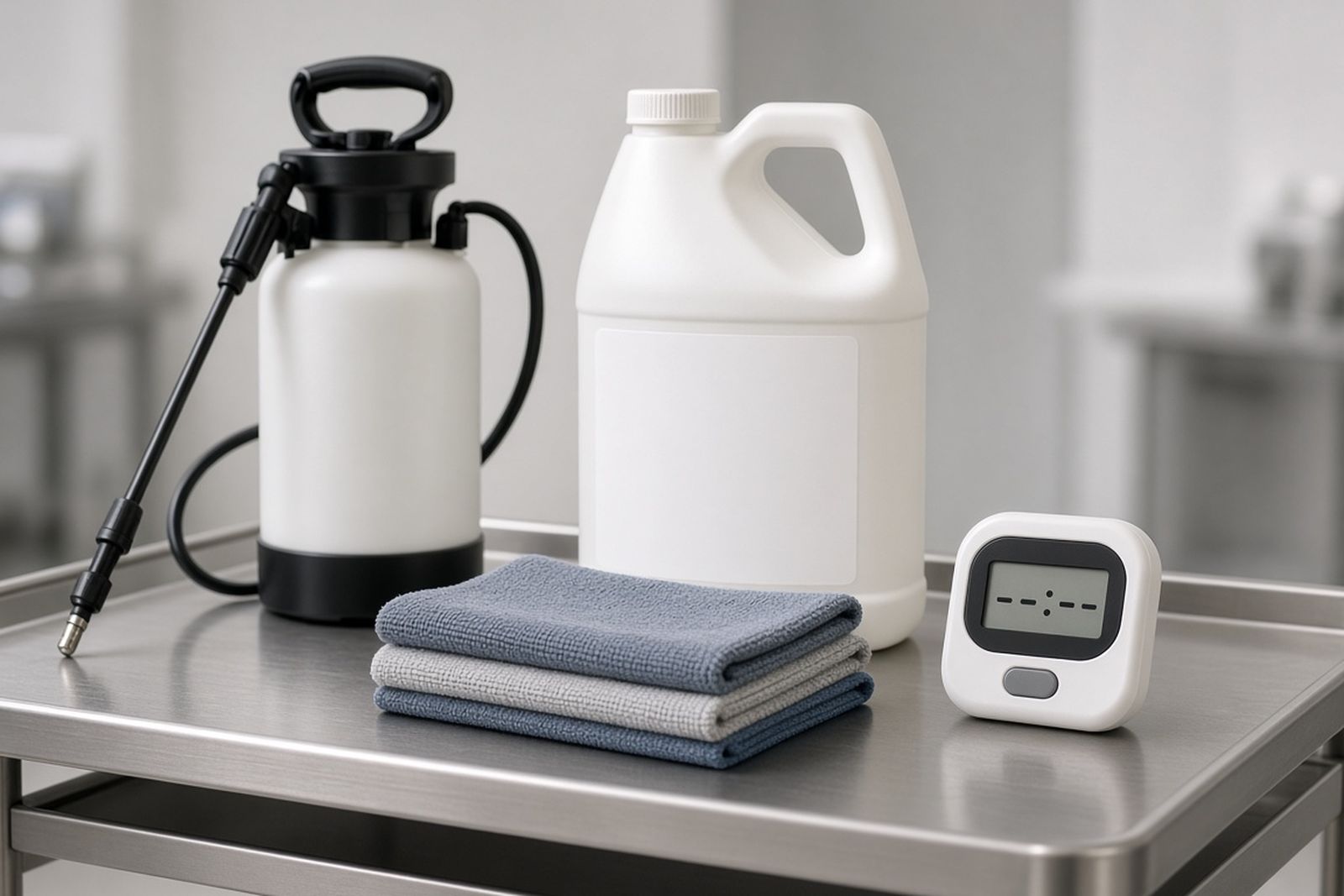
That depends on the product, the method, and the areas being treated. Wiping in a closed-off wing may let the rest of the building stay open. Electrostatic spraying or fogging usually requires empty rooms until the label's re-entry time has passed. Ask the vendor to show you what the label says about re-entry and airing out the space. Plan who can be where around that, not around a rough guess.
What happens to items like toys, keyboards, and exercise mats?
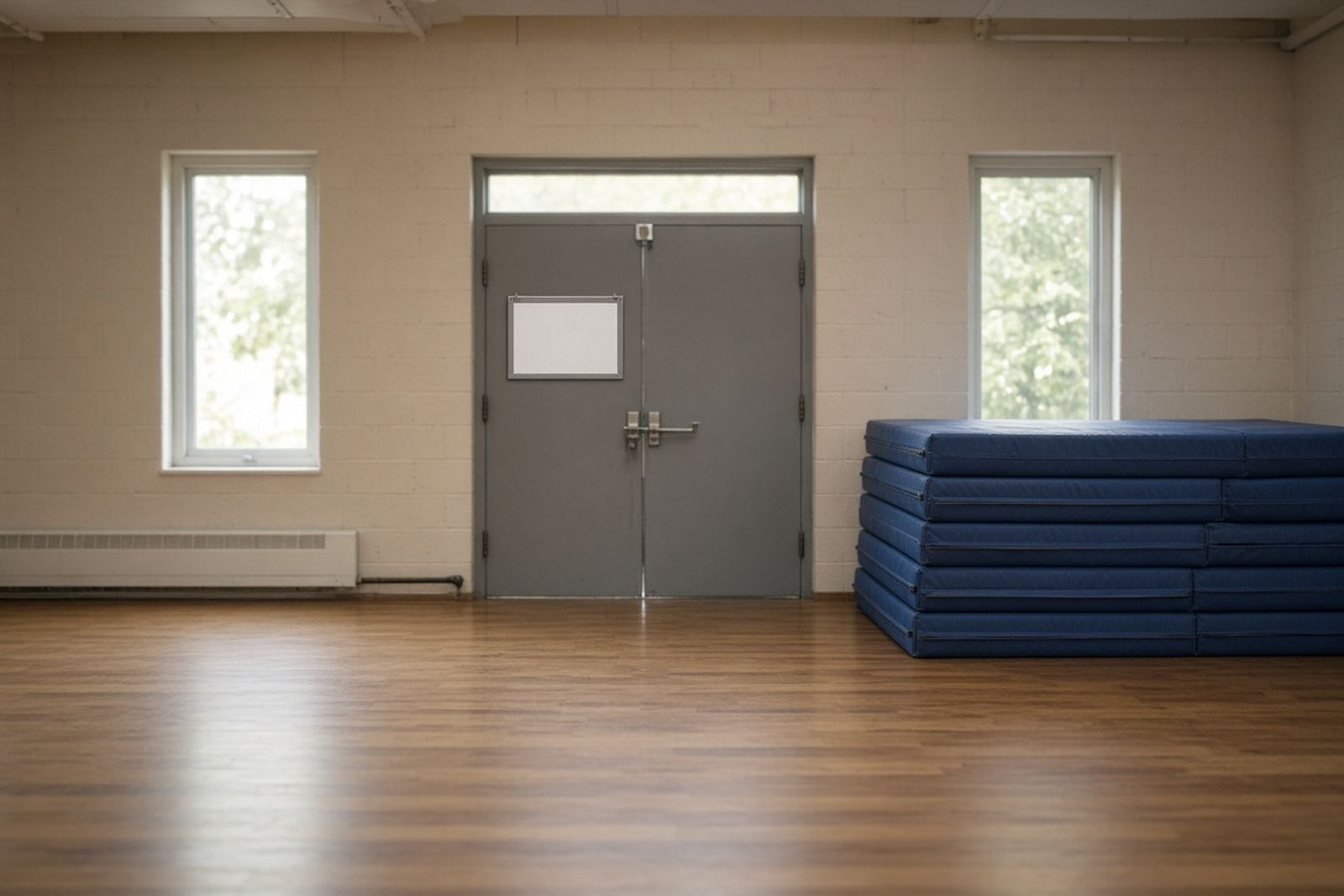
Hard, washable items are usually cleaned and then disinfected with a product labeled for that type of surface. Electronics may need a product that is safe for them, or a cover during spraying. Soft or porous items, such as plush toys or cracked vinyl mats, are harder to disinfect reliably. They may be washed, set aside for a while, or thrown out. Your vendor should explain which approach it suggests for each kind of item and why.
How will I know the work was finished as planned?
Ask for a written record before the crew leaves. It should list the rooms treated and the products used, with registration numbers. It should give the contact time followed, the methods used, and when people can come back in. Walk the space with the lead technician. Compare it against the high-touch map made at the start. If something on the map was skipped, raise it while the crew is still on site.
Will the crew need access to every room, or only the affected ones?
That depends on the scope. When exposure can be traced to certain rooms, crews may focus there, plus shared restrooms and hallways. When illness is widespread or its path is unclear, the scope usually covers all shared spaces. Agree on the list of rooms in writing. Make sure keys or badges are ready, so nothing is skipped because a door was locked.
What should we do between the first incident and the crew's arrival?
Close the affected areas. Have trained staff clean up any vomit or diarrhea quickly, using a product whose label lists the likely germ. Pull shared toys, snacks, and soft items out of use. Write down which rooms were involved and which products staff have used. That preparation lets the crew start work right away instead of spending time gathering facts.
Does the process differ when a building must stay open during treatment?
Yes. The crew works in sections, treating one zone while people use another. The plan must show how people will know which areas are closed. Spraying is often limited or scheduled for times when rooms are empty. The work takes longer overall. So ask the vendor to plan the order of rooms around your most important work. Ask them to confirm each area is ready before people return.
Who should sign off that the work is complete?
Choose someone from your group who knows the building and has the authority to accept the work. This is often a facilities manager or administrator. They should walk key areas with the crew lead and compare the report to the scope. They should note anything left out or any problems before signing. If your setting has a medical lead, that person can review the product and contact time details.
Related community polls
Every count is a real visitor vote; nothing is seeded or padded. One vote per poll per device, and you can change your answer.
When your facility had an illness cluster, how did you handle cleaning?
How did you decide whether to close all or part of the facility?
More on infectious disease disinfection
Infectious Disease Disinfection services
Learn how expert outbreak disinfection works in schools, offices, clinics, gyms, and care homes. See each step, from mapping high-touch spots to checking contact times and records.
Costs explained
What drives the price, published cost ranges, and how to read a written quote line by line.
Insurance and payment
Which policies may respond, how to document a claim, and what to do if coverage is denied.
Planning tools
Hands-on tools help you see cost drivers, check vendors, and organize a claim file. They also help you plan the first day, sort waste, and judge if staff can do the work.
Community polls
See how other facility managers handled closing, vendors, and telling people during outbreaks. Then take the questions that come up to your own team.
Knowledge quiz
Test what you know about product labels, contact times, keeping germs contained, and records. Do it before you approve a disinfection plan or brief your leaders.
City guides
Find disinfection providers who serve your area for facility outbreaks. Learn what to confirm about products, training, and records before you hire.