Short answer
Compare outbreak disinfection bids by checking what each one actually does, not just the square-foot price. Look for pre-cleaning of soiled surfaces, a registered product with a label claim for your organism, labeled contact times, a touchpoint list that fits your building, the application method, reentry timing, and a written record. A low bid often skips pre-cleaning or relies on spraying alone. Ask a high bidder to justify every extra.
Why do disinfection quotes for the same building differ so much?
When norovirus spreads through a school or a respiratory illness moves through an assisted living community, leadership wants a fast, visible response. Facility managers often collect several quotes in a single afternoon and find that the prices are far apart.
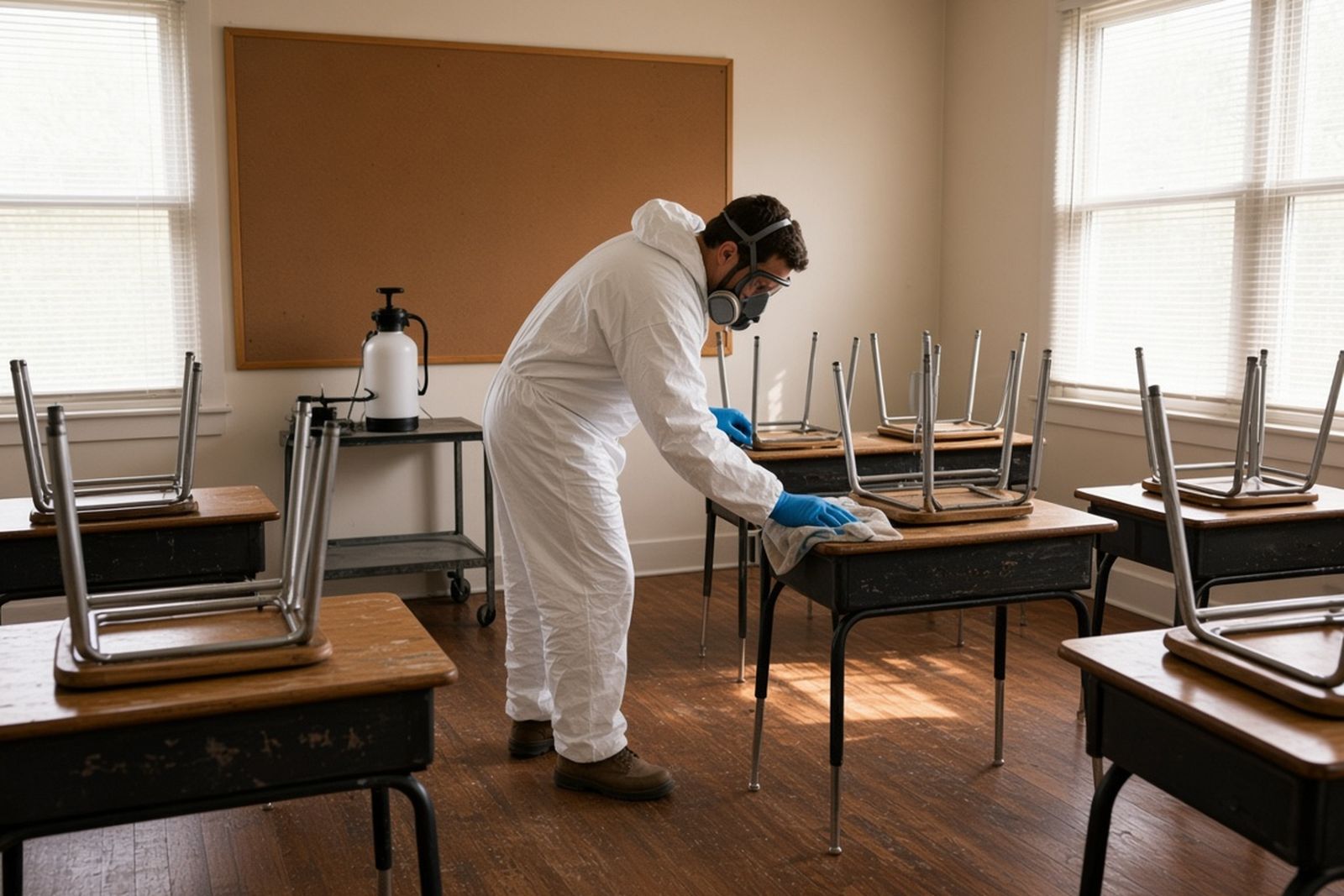
The difference usually comes from what each vendor is proposing. One may plan to walk through with an electrostatic sprayer and be finished in a few hours. Another may plan to clean visibly soiled surfaces first, wipe every high-touch point with a product that has a claim for your organism, allow full contact time, then treat larger areas, and document every room. Both may call it outbreak disinfection.
Comparing bids fairly means breaking each one into steps and checking whether those steps match the organism and the building.
Pressure from leadership, parents, or families can push you toward the vendor who promises the most visible action. A fogger moving through the halls looks decisive. Whether it actually reduces the organism causing your outbreak depends on the product, the preparation, and the details that a bid either spells out or leaves vague.
What published pricing guides say
Industry pricing guides give a rough frame of reference. In its 2025 guide to commercial cleaning rates, ISSA lists electrostatic disinfection at $0.10 to $0.30 per square foot, and puts medical facility cleaning at $0.14 to $0.29 per square foot.
Those ranges are useful for spotting a quote that is wildly out of line, but they are not a price for your outbreak. Square-foot pricing also has a built-in weakness: it rewards covering floor area rather than treating the surfaces people actually touch. A classroom and a storage room of the same size have very different disinfection needs.
Ask each vendor how their price was built, whether by square footage, by room, by touchpoint, or by labor hours, and what is included at that price.
Steps every outbreak bid should include
Send each vendor the same written description of the situation: the suspected or confirmed organism, the areas involved, the building's occupancy, surface types, and any schedule constraints. Ask for a response that addresses each step below.
Missing steps are the most common reason one bid is lower than another. Mark each as included, excluded, or unclear, and follow up on anything unclear.
Ask each vendor to walk one representative room with you, such as a classroom, a resident room, or a restroom, and point out what they would treat. How they describe that single room tells you a lot about how they will handle the rest of the building.
- Removal of visible soil and body fluids before disinfection
- A named EPA-registered product with a label claim for the organism involved
- Labeled contact time and how it will be maintained on each surface
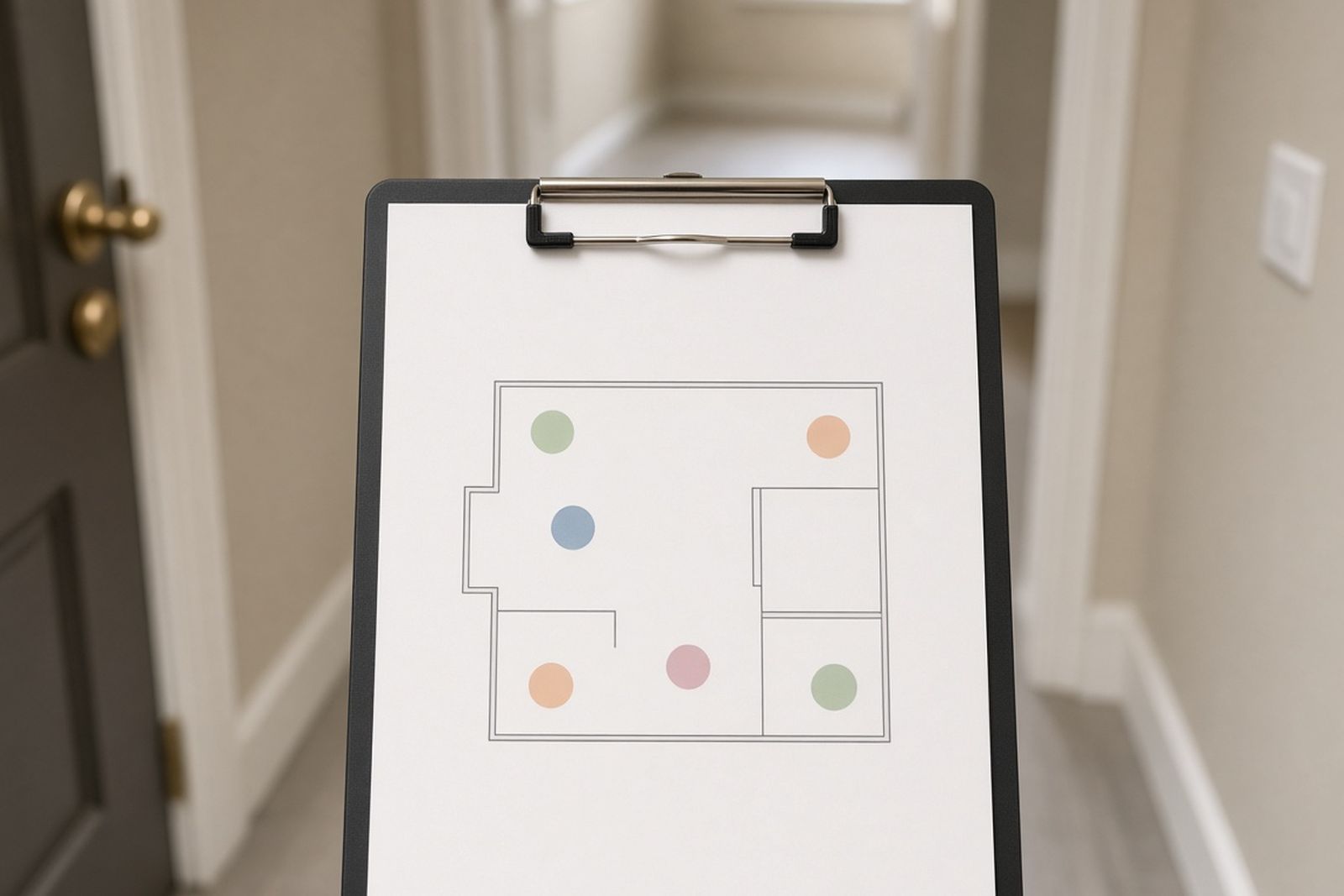
- A written list of high-touch points for each room type
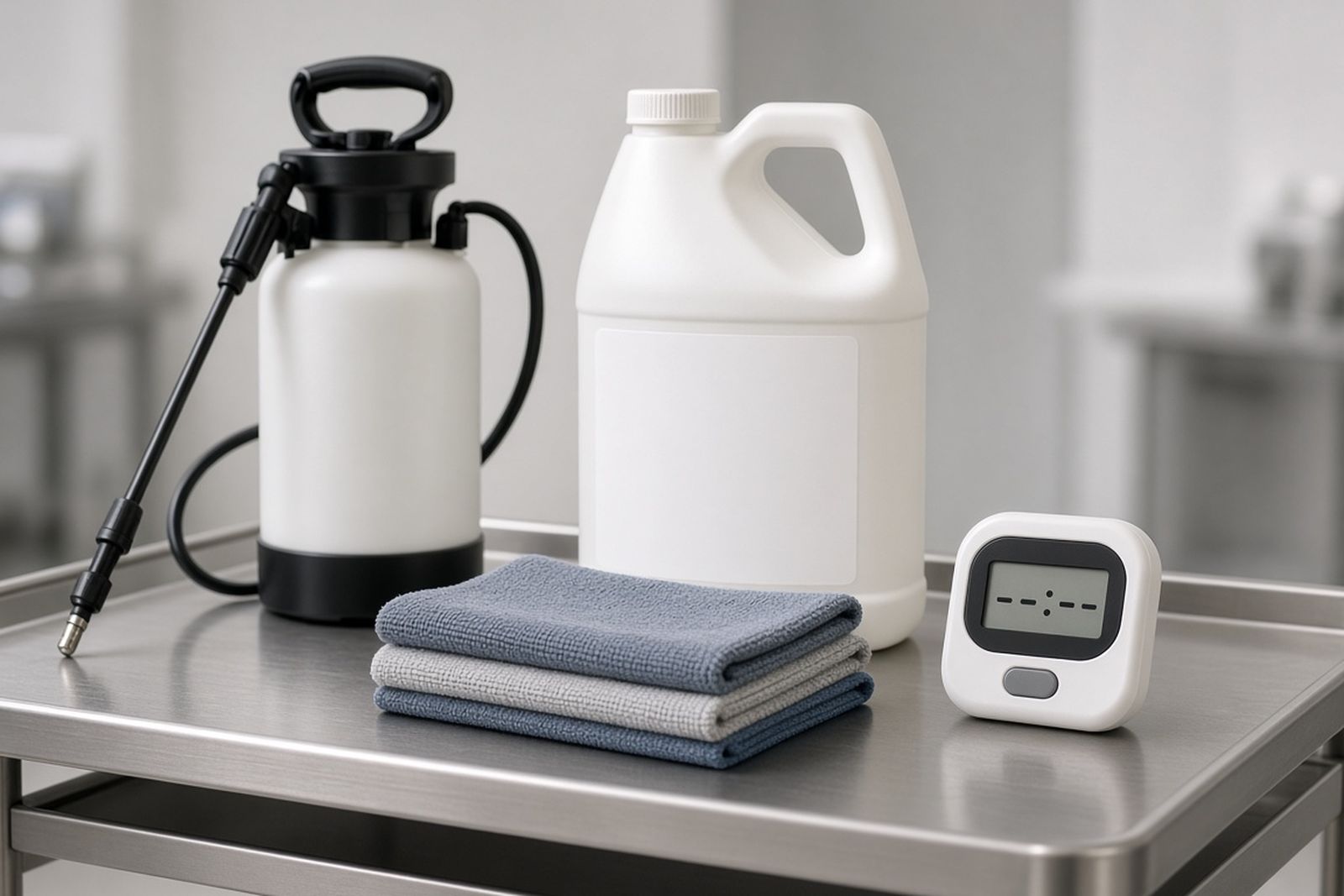
- The application method, such as wiping, spraying, or electrostatic, and why it fits
- Compatibility with your surfaces, electronics, and fabrics
- Reentry time and ventilation requirements from the label
- Protection of staff, occupants, and anyone with respiratory sensitivities
- A written record of areas treated, products, and times
Why does pre-cleaning matter so much?
Disinfectants work poorly on surfaces covered with dirt, grease, or dried body fluids. Most product labels call for pre-cleaning of visibly soiled surfaces, and skipping it can leave organisms protected under a layer of residue.
The difference between methods can be large. A 2023 study by Knobling and colleagues found that manual wiping met the study's disinfection-success criterion on 98.1% of surfaces versus 75.5% for UV-C when surfaces had not been cleaned beforehand. The study compared specific methods under controlled conditions, but it illustrates how much physical cleaning contributes.
A lower bid that relies on spraying or UV devices without any wiping step may look efficient, but it may also leave the most contaminated surfaces least treated. Ask each vendor directly how they handle visibly soiled surfaces.
Checking product claims and contact times
Ask each vendor for the product name and EPA registration number. You can then check whether the product appears on the relevant EPA list, such as List G for norovirus, List K for C. difficile spores, or List N for the virus that causes COVID, and confirm its labeled contact time.
Contact time is often where corners get cut. If a product needs several minutes of wet contact and a vendor plans a single light mist on a warm, ventilated surface, the product may dry long before that time passes. Ask how the vendor will keep surfaces wet, whether they will reapply, and how they will confirm it.
Also check whether the label permits the vendor's application method. Some products are labeled only for wiping or for specific types of sprayers.
If your facility has an infection preventionist, school nurse, or consulting physician, share the product information with them before signing. They may know about sensitivities among occupants, prior outbreaks in the building, or local health department preferences that affect which product makes sense.
Speed, disruption, and reentry
Facilities need to reopen, and a vendor who can finish overnight is appealing. Speed has real value when classes, visits, or services are waiting.
Balance that against what is realistic. Wiping every high-touch point in a large building takes time, and product labels may require reentry intervals or ventilation after spraying. A vendor who promises to disinfect an entire facility far faster than others should explain how they meet contact times and pre-cleaning in that window.
Ask each vendor what they need from you to work efficiently, such as cleared surfaces, access to all rooms, or HVAC adjustments. Sometimes the fastest safe option is a larger crew rather than a shortcut.
Consider what happens after the vendor leaves, too. An outbreak rarely ends with a single treatment. A vendor who helps your own staff continue daily disinfection with the right product and contact time may deliver more value than one who performs a single dramatic service and moves on.
Two bids for an assisted living wing
Consider this illustrative case. Several residents on one wing of an assisted living community are diagnosed with C. difficile infections over a short period. The local health department recommends enhanced environmental cleaning with a sporicidal product, and the administrator requests two outside bids.
The lower bid proposes electrostatic spraying of the affected wing with a quaternary ammonium product. The administrator checks the registration number and finds the product is not on EPA's List K, which means it does not carry a claim against C. difficile spores.
The higher bid proposes cleaning soiled surfaces first, wiping resident rooms, bathrooms, handrails, and shared equipment with a List K sporicide at its labeled contact time, and using the same product for common areas. It includes a room-by-room record and training for the community's housekeeping staff on continuing the protocol.
The administrator chooses the second bid. The first was cheaper, but it proposed a product that did not match the organism, which would have made the entire effort unlikely to address the problem.
What red flags suggest a bid is low for the wrong reasons?
A lower price is not always a warning sign. Some vendors are efficient or better equipped. The concern is when a bid is low because it leaves out steps that make disinfection work, or when it makes claims that cannot be supported.
Be particularly cautious of any vendor that promises to certify your building as free of a virus or bacteria. Disinfection reduces organisms on treated surfaces at a point in time; it does not produce a permanent guarantee.
- No named product or registration number
- A product without a label claim for your organism
- No pre-cleaning step for soiled surfaces
- Spraying or fogging as the only method, with no wiping of high-touch points
- No mention of contact time or reentry
- Claims of long-lasting protection that the product label does not support
- Certificates promising a pathogen-free building
Get it in writing before work begins
Once you choose a vendor, put the scope, products, registration numbers, contact times, application methods, areas covered, schedule, and documentation requirements into a written agreement. Include how the vendor will protect occupants and staff and what reentry times apply.
Keep the bids, your comparison notes, and the vendor's records together. Health departments, licensing agencies, parents, or residents' families may ask what you did, and a clear file answers those questions quickly.
Healthcare and childcare facilities in particular may have licensing requirements for outbreak cleaning; your licensing agency can confirm them, and your local health department can advise on what is expected during an active outbreak.
When the outbreak has passed, review the records with your team. Did the vendor cover every area listed, and did case counts decline in the weeks that followed? That review will not prove cause and effect, but it will help you choose more confidently next time.