Infectious Disease Disinfection: Costs & Insurance
Decision-focused information about infectious disease disinfection scope variables, estimate comparison, documentation, and policy questions. Coverage depends on the triggering peril, policy language, limits, exclusions, deductible, and carrier review.
This category covers how outbreak disinfection is priced and who might pay for it. Posts explain what tends to move a quote. That includes the size of the area, the germ involved, and how much cleaning is needed first. It also includes whether soft goods must be thrown out, after-hours work, and the records you require. Other articles look at how property, business interruption, and liability policies may treat a closure caused by illness. They explain why many policies leave out losses from viruses or contagious disease. They also show how tenants and landlords sometimes split costs in shared buildings.
Get an email reply about infectious disease disinfection
Send a short message to the follow-up inbox. A coordinator can reply by email. This form does not send emergency help; call 911 first if anyone is in danger.
Knowing what drives cost helps you compare proposals fairly, instead of choosing on one number. Knowing how coverage questions usually play out helps you gather the right records early. Policies differ. So these posts suggest questions for your agent or broker. They do not predict what any insurer will decide.
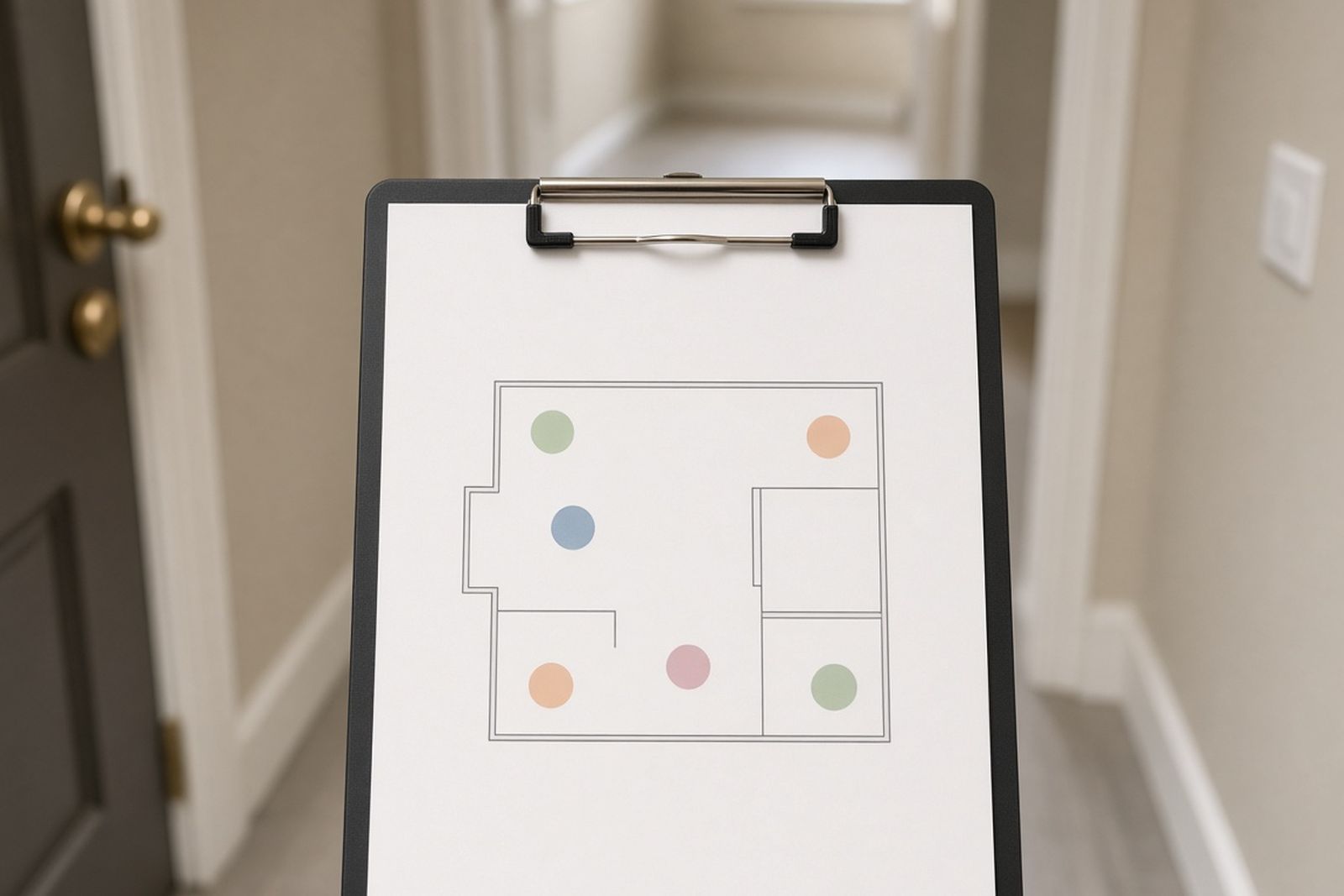
What Drives Infectious Disease Disinfection Cost?
Square footage is only the start. How the organism, contact time, surface mix, occupancy window, and documentation shape an outbreak disinfection quote.
Outbreak disinfection pricing for schools, clinics, gyms, and offices is driven by the organism, the square footage and surface mix, how long the product must stay wet, whether the building can close, and how much pre-cleaning and documentation you need. Spore-forming organisms and dense, high-touch spaces take the most labor. Compare written scopes line by line rather than headline per-square-foot rates.
Does Homeowners Insurance Cover Infectious Disease Disinfection?
Disinfecting after illness at home or in a home-based business rarely fits a property claim. See how carriers view germs and when a policy may still respond.
Usually not on its own. Homeowners policies are written around physical loss from covered events, and illness in the household is not generally treated as that. Many forms also carry exclusions for bacteria, viruses, or contamination. Coverage becomes more plausible when disinfection is part of a larger covered loss, such as a burst pipe. Home daycares, group homes, and home offices may need a separate business policy.
How to Compare Low and High Infectious Disease Disinfection Bids
Outbreak disinfection bids differ on pre-cleaning, product claims, contact time, and method. Here is how facility managers can compare them on equal terms.
Compare outbreak disinfection bids by checking what each one actually does, not just the square-foot price. Look for pre-cleaning of soiled surfaces, a registered product with a label claim for your organism, labeled contact times, a touchpoint list that fits your building, the application method, reentry timing, and a written record. A low bid often skips pre-cleaning or relies on spraying alone. Ask a high bidder to justify every extra.
Sourced figures on costs & insurance
- $15-$400+
HomeAdvisor reports that disinfecting a home to reduce germs, bacteria and viruses costs anywhere from $15 to $400 or more depending on DIY versus professional service.
Read with care: Broad range mixing DIY supplies and professional visits; specialized biohazard work costs more.
Source: HomeAdvisor (2026)United States residential, cost guide updated June 2026
- $0.10-$0.30 per sq ft
ISSA's commercial cleaning pricing guide lists electrostatic disinfection at $0.10 to $0.30 per square foot and medical facility cleaning at $0.14 to $0.29 per square foot.
Read with care: Trade-association ranges; actual quotes vary by region, square footage and frequency.
Source: ISSA (2025)United States commercial facilities, industry-wide ranges, December 2025
- 10 working days
OSHA's Bloodborne Pathogens standard (29 CFR 1910.1030) requires employers with exposed workers to keep a written exposure control plan reviewed annually, offer hepatitis B vaccination within 10 working days, and train workers at least annually.
Read with care: Applies to employers and their workers, not to homeowners doing their own cleanup.
Source: OSHA (1991)United States, employers with occupationally exposed employees
These figures are public research and agency data, not this network's own job records. Keep each number with its population, year and limits; none of them predicts cost, timing or outcome at a specific property.
What research has found
Findings from published studies of people and properties in situations like this one. They describe what researchers observed in a specific group; they are not predictions for your case.
Small/medium amines or alcohol in formulations were linked with greater cracking propensity.
The most common reported disinfection frequency shifted from between patients to twice daily.
Costs & Insurance: common questions
Why do quotes for the same building vary so widely?
Vendors may be offering different scopes of work. One might include full cleaning first, wiping every high-touch surface, and a detailed record. Another may price only a quick spray. Differences in products, labor hours, after-hours charges, and waste handling also add up. Ask each vendor to break its proposal into tasks, so you can compare the same work side by side.
Will insurance cover disinfection after an outbreak?
It depends heavily on your policy wording. Many property and business interruption policies leave out losses tied to viruses or contagious disease. Some special coverages or add-ons may pay. Contact your agent or broker, describe what happened, and ask which parts of the policy might apply. Keep the vendor's record and invoices either way. They support any claim you make.
Is fogging usually worth the added expense?
It can be in large rooms crowded with oddly shaped surfaces, where wiping every item is not practical. In smaller spaces, careful wiping may reach the same coverage with less disruption and no extra equipment charge. Ask the vendor to explain what spraying adds for your rooms. Ask if the product's label allows that method. Then decide whether the benefit is worth the cost.
Is outbreak disinfection ever tax deductible or reimbursable through grants?
Businesses often treat the cost as a normal operating expense. Some public or nonprofit programs have used emergency or health funds for outbreak response. Rules vary, so ask your accountant or funding agency before you assume anything. Keep detailed invoices and scopes of work. Then you can show exactly what the expense covered if a chance to get paid back comes up.
How do I explain a disinfection invoice to a board or finance committee?
Sum up what happened, why outside help was needed, what the vendor did, and what the scope included. Point to the written report. Explain the main cost drivers, such as the germ, the area treated, and after-hours work. Show any other options you considered. A clear explanation helps the board see the value and plan for future events.
Is it normal for an outbreak disinfection vendor to ask for money upfront on a rush job?
Some vendors do ask for a deposit, mostly for a large building or a weekend or overnight job. Get the deposit amount, the scope of work, and the refund terms in writing before you pay. Do not pay the whole invoice in advance. Hold the final payment until you have the service report and have walked the treated areas. A payment method you can trace leaves a clear record for your board or auditor.
Can a landlord pass outbreak disinfection costs to tenants?
It depends on the lease. Business leases often cover upkeep of common areas and special cleaning costs. Home leases may limit what can be passed on to tenants. Review the lease and local rules. Talk about costs openly before work starts to avoid disputes. Itemized invoices that separate private units from shared spaces make any split easier to explain and defend.
Related community polls
Every count is a real visitor vote; nothing is seeded or padded. One vote per poll per device, and you can change your answer.
When your facility had an illness cluster, how did you handle cleaning?
How did you decide whether to close all or part of the facility?
More on infectious disease disinfection
Infectious Disease Disinfection services
Learn how expert outbreak disinfection works in schools, offices, clinics, gyms, and care homes. See each step, from mapping high-touch spots to checking contact times and records.
Costs explained
What drives the price, published cost ranges, and how to read a written quote line by line.
Insurance and payment
Which policies may respond, how to document a claim, and what to do if coverage is denied.
Planning tools
Hands-on tools help you see cost drivers, check vendors, and organize a claim file. They also help you plan the first day, sort waste, and judge if staff can do the work.
Community polls
See how other facility managers handled closing, vendors, and telling people during outbreaks. Then take the questions that come up to your own team.
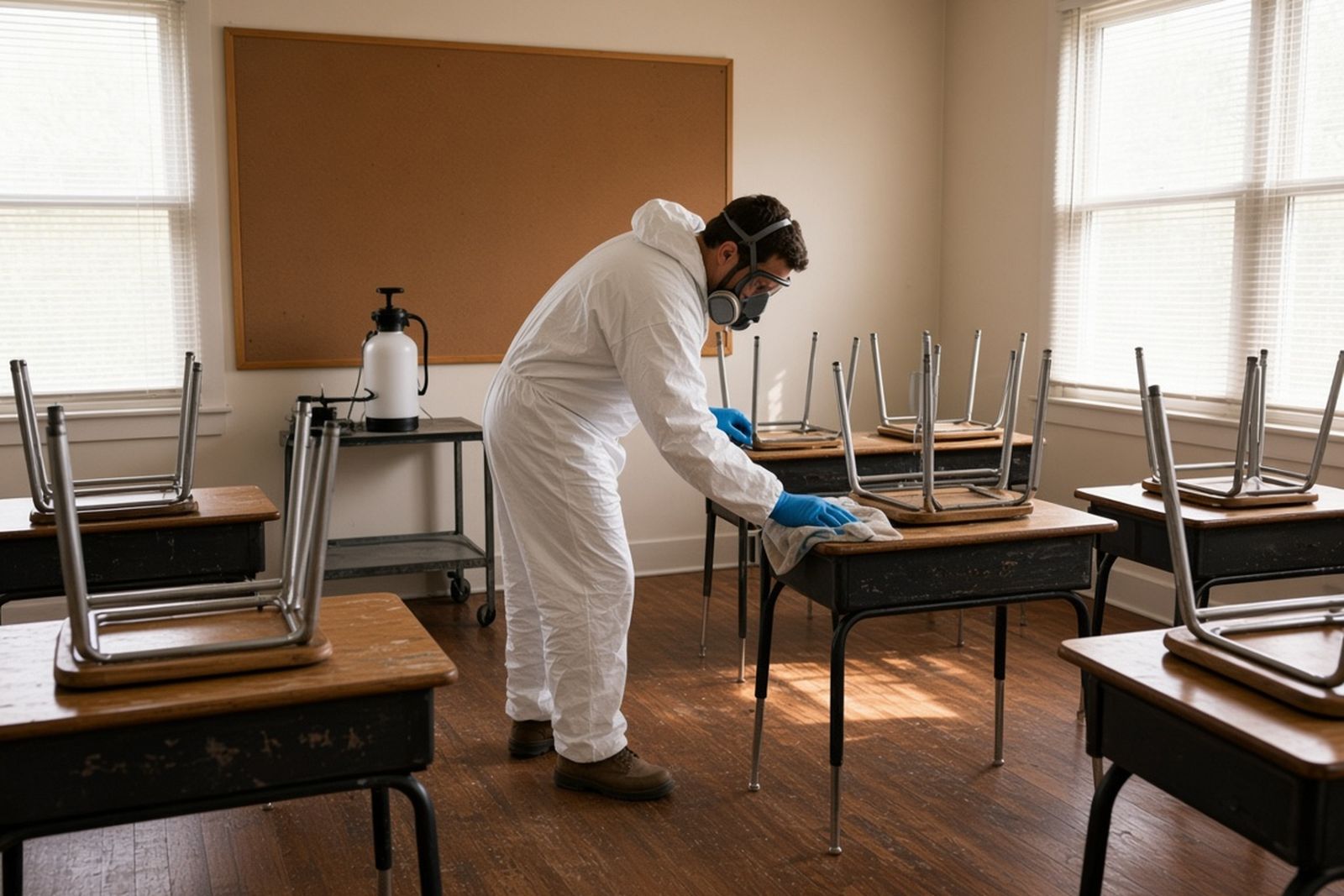
Knowledge quiz
Test what you know about product labels, contact times, keeping germs contained, and records. Do it before you approve a disinfection plan or brief your leaders.
City guides
Find disinfection providers who serve your area for facility outbreaks. Learn what to confirm about products, training, and records before you hire.