Short answer
Usually not on its own. Homeowners policies are written around physical loss from covered events, and illness in the household is not generally treated as that. Many forms also carry exclusions for bacteria, viruses, or contamination. Coverage becomes more plausible when disinfection is part of a larger covered loss, such as a burst pipe. Home daycares, group homes, and home offices may need a separate business policy.
Why does illness at home rarely trigger a homeowners claim?
A homeowners policy is designed to pay for physical damage to your house and belongings caused by events such as fire, wind, theft, or sudden water discharge. When someone in the household has influenza, norovirus, or a resistant skin infection, the house itself has not been damaged in the way the policy contemplates. The surfaces are contaminated, but they are not broken, burned, or soaked.
That distinction is why most carriers treat post-illness disinfection as routine household maintenance rather than a covered loss. It is similar to how a policy generally does not pay for cleaning a kitchen after a messy dinner, even though the counters need attention.
Many policy forms go further and include specific language about bacteria, viruses, fungi, or contaminants. The wording varies by carrier and by state, so you will need to read your own form or ask your agent which provisions apply. Do not rely on a general article, including this one, to tell you what your policy says.
When disinfection rides along with a covered claim
The picture can change when disinfection is one step in cleaning up after a covered event. If a supply line bursts and floods a bathroom, a carrier evaluating that water loss may consider cleaning and antimicrobial treatment of affected materials as part of mitigation. The disinfection is covered, if it is, because of the water event, not because of a germ.
Similarly, a covered fire or storm that forces a family out of the home may involve cleaning that includes disinfecting surfaces before reoccupancy. Again, the trigger is the covered peril.
Seen side by side, the line is clear. A household that wants the bathroom and bedroom disinfected after a relative comes home from treatment for C. difficile is usually told that illness is not a covered loss, and pays directly. A household whose toilet supply line fails and soaks a bathroom and the kitchen ceiling below may find antimicrobial treatment of affected framing inside the mitigation scope of a water claim. Both end up with disinfected rooms. Only one has a covered event behind it, and the difference is the cause, not the chemical.
If you are dealing with a combined situation, such as a water leak in the home of someone recovering from a serious infection, tell the adjuster about both. Ask how each part will be evaluated and request that answer in writing. The remediation provider can separate the line items so it is clear which work relates to the covered event.
Home daycares, group homes, and home practices
Home-based operations are where this question gets complicated. A licensed family daycare, a small group home, a massage or therapy practice, or a home office that sees clients all bring the public into a residential space. Most homeowners policies limit or exclude business activity, so an outbreak connected to that activity may fall outside the policy entirely.
Operators in these situations often carry, or are required by licensing to carry, a separate business or commercial policy. That policy has its own terms about communicable disease, and some forms exclude it explicitly. Ask your agent to explain what the business policy says about closures and cleaning after an illness among children, clients, or residents.
Your licensing agency or local health department may also have its own expectations for how and when you disinfect after certain illnesses. Call them before assuming what is required, and keep a note of who you spoke with.
How long germs last on household surfaces
Understanding persistence helps you decide whether professional disinfection makes sense, whether or not insurance is involved. A 2006 systematic review in BMC Infectious Diseases found that MRSA can persist on dry surfaces for 7 days to 7 months, C. difficile spores for 5 months, norovirus for 8 hours to 7 days, and influenza for 1 to 2 days.
Those ranges come from studies under varied conditions, so they are a guide rather than a timer for your home. They do show why the organism matters. A household recovering from the flu faces a very different problem from one where someone was treated for C. difficile or a recurring MRSA infection.
If a medical provider has told you the name of the infection, share it with any disinfection company you contact. It shapes which product they choose and how long it must stay on surfaces.
Paying out of pocket
Since insurance often will not respond, most households pay directly. Prices vary widely by the size of the home, the organism, and how much of the house needs treatment. HomeAdvisor reported in 2026 that disinfecting a home to reduce germs, bacteria and viruses costs anywhere from $15 to $400 or more depending on DIY versus professional service.
That range is broad because it covers everything from buying a registered disinfectant yourself to hiring a crew. A targeted professional job focused on a bathroom and bedroom will look different from whole-house work involving soft furnishings and HVAC surfaces.
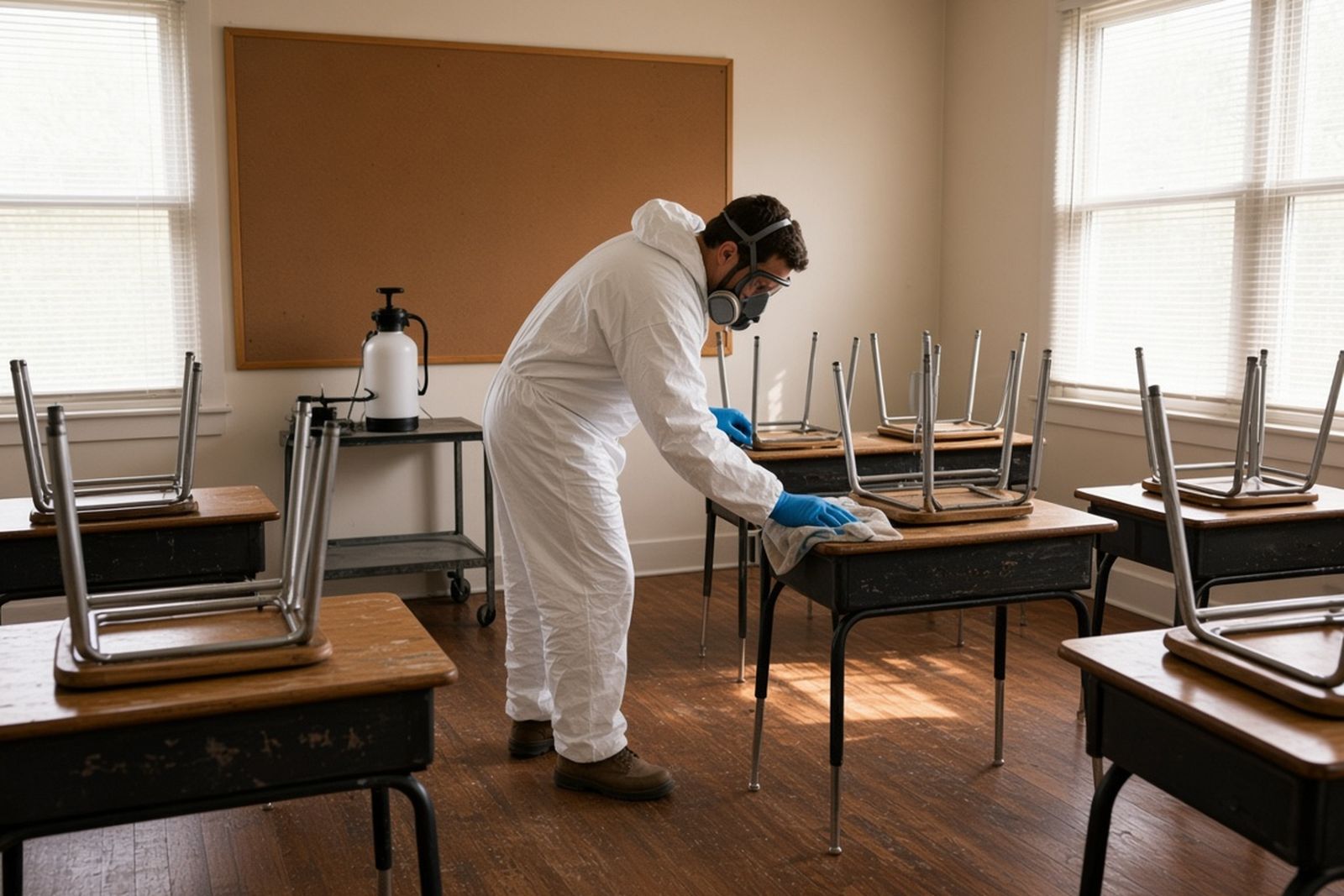
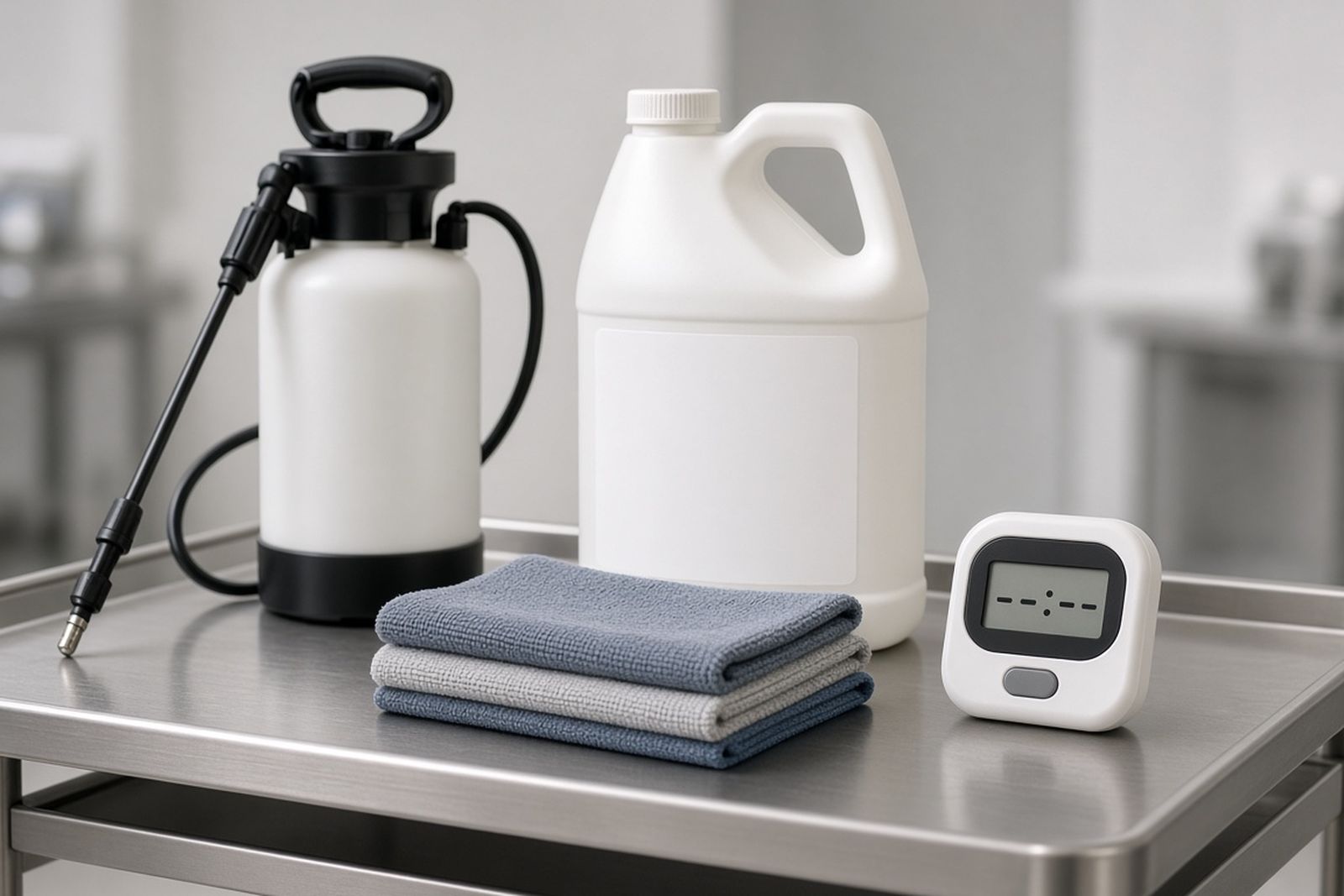
Before paying anyone, ask for a written scope that lists rooms, surfaces, the product and its EPA registration number, and the contact time. That scope also becomes useful paperwork if a carrier later asks what was done.
Renters, condos, and shared buildings
Renters policies follow a similar logic to homeowners forms. They generally protect your belongings against listed events and provide liability coverage, and they are not designed to pay for disinfecting an apartment because someone got sick. The landlord's policy covers the building itself, and it too is usually built around physical damage rather than contamination from illness.
In apartment buildings, condos, and shared houses, questions about who pays for disinfecting common areas such as laundry rooms, hallways, and elevators often come down to the lease, the association's rules, and the building owner's decisions rather than to any insurance policy. If you are worried about an outbreak in a shared space, raise it with the property manager in writing and ask what steps they plan to take.
If you are a landlord preparing a unit for a new tenant after a previous occupant had a serious infection, the same principle applies: cleaning between tenants is typically treated as an operating cost. A written scope from a disinfection provider can still be valuable, because it gives you a clear record to share with the incoming tenant if they ask how the unit was prepared.
Questions for your agent or carrier
A short, specific conversation will tell you more than hours of searching online. Have your policy number ready and write down the answers, the date, and the name of the person you spoke with.
If the answer is no, ask whether any endorsement or separate policy would address the situation in the future.
- Does my policy contain any exclusion related to bacteria, viruses, or contaminants, and where is it?
- Would disinfection be considered only if it follows a covered loss, such as water or fire damage?
- Does my policy limit coverage for business activity in the home?
- If I run a daycare or care home, what policy should respond to an outbreak there?
- Is there any coverage for temporary housing if a household member's doctor advises we stay elsewhere during cleaning?
- Can you put that answer in writing for my records?
How can you avoid overpaying when insurance will not help?
Not every illness calls for a professional crew. Many common infections can be handled with thorough household cleaning followed by an EPA-registered disinfectant used according to its label. Your physician or local health department can help you judge whether your situation calls for more.
Professional disinfection is more likely to make sense when the organism is hard to kill, when someone in the home is medically fragile, when the contamination is widespread, or when a home business needs documentation for a licensing agency or clients. In those cases, focus on the quality of the scope rather than the lowest price.
Be wary of anyone who sells whole-house fogging as a cure-all or promises that one treatment will prevent future illness. Disinfection addresses surfaces as they are on the day of treatment. Ongoing cleaning habits, hand hygiene, and medical advice matter just as much afterward.