Infectious Disease Disinfection: Industry Insights
How infectious disease disinfection companies work, how homes and businesses differ, and what new tools can and cannot do.
Industry insights posts explain how the outbreak disinfection trade really works. You will read about national franchise networks compared with local independent firms. You will learn why some companies hire others to do the spraying or haul the waste. You will see how a call center may send your request to a crew you have never heard of. Other articles look at ties with medical waste haulers and the role of standards groups and cleaning industry training programs. They cover the rise of electrostatic equipment and its uneven quality. They also cover how demand surged and then settled after the pandemic years reshaped the field.
Get an email reply about infectious disease disinfection
Send a short message to the follow-up inbox. A coordinator can reply by email. This form does not send emergency help; call 911 first if anyone is in danger.
Knowing the business behind a proposal helps you ask better questions. If you know a brand name may be a referral service, you can ask who will be on site. If you know which claims regulators have challenged, you can read ads with a sharper eye. Then you can focus on the practices that truly support your facility.
How Infectious Disease Disinfection Practice Has Changed
Outbreak cleaning has moved from janitor routines to products matched to the germ, touch mapping and records. See what that change means for your building.
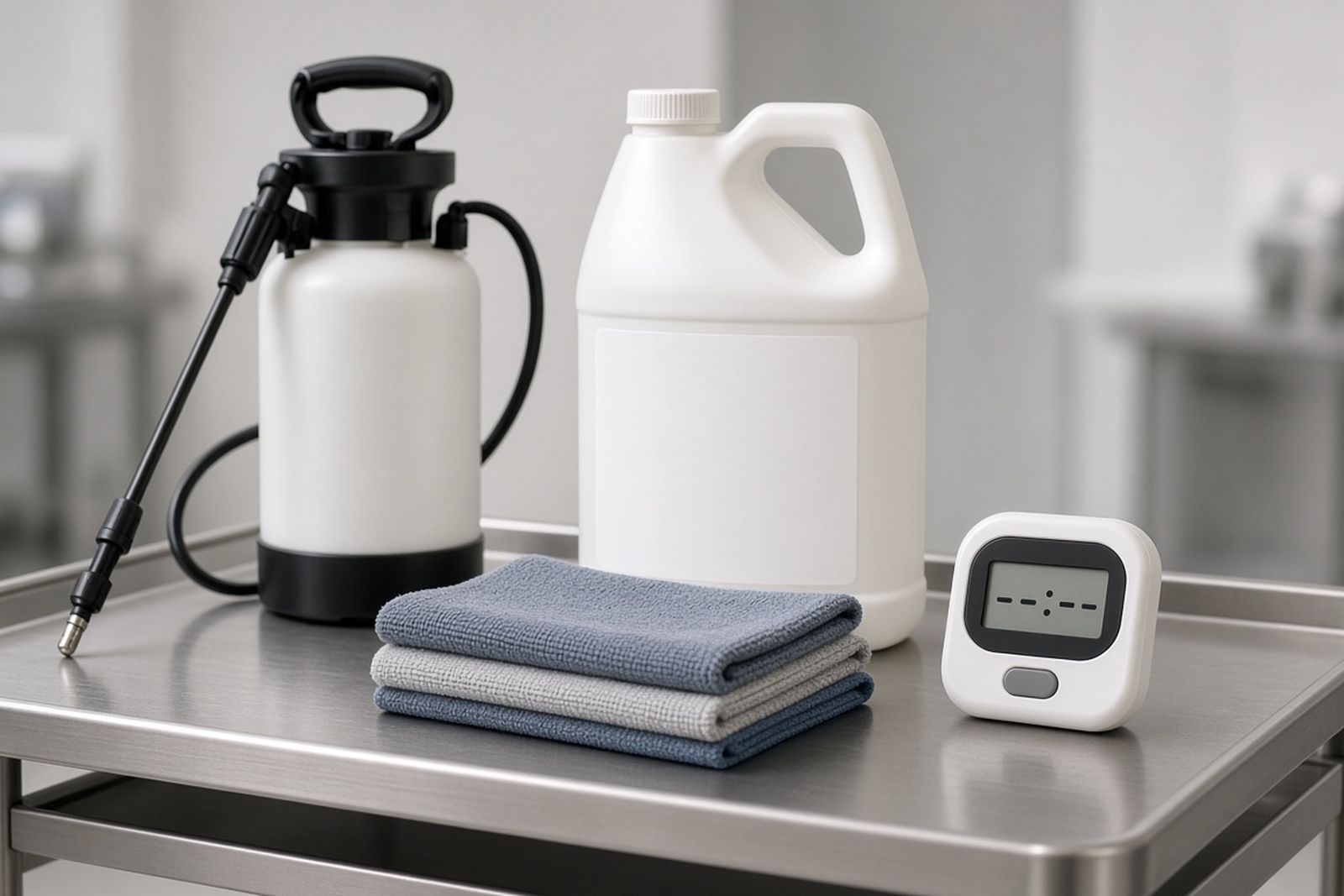
Disinfection has moved from general janitor work to a targeted practice. That tells you what to expect today. Good crews choose EPA-registered products whose labels list your germ. They keep surfaces wet for the time the label requires. They map high-touch surfaces and pair hand wiping with spray tools. Workers are protected under rules on bloodborne germs, and you get a written record. The COVID-19 pandemic sped up these changes and showed the limits of fogging first.
Infectious Disease Disinfection for Property Managers: What You Need to Know
When a tenant or visitor gets sick with a catching illness, you face choices about notices, shared spaces, outside companies, and privacy. Start here.
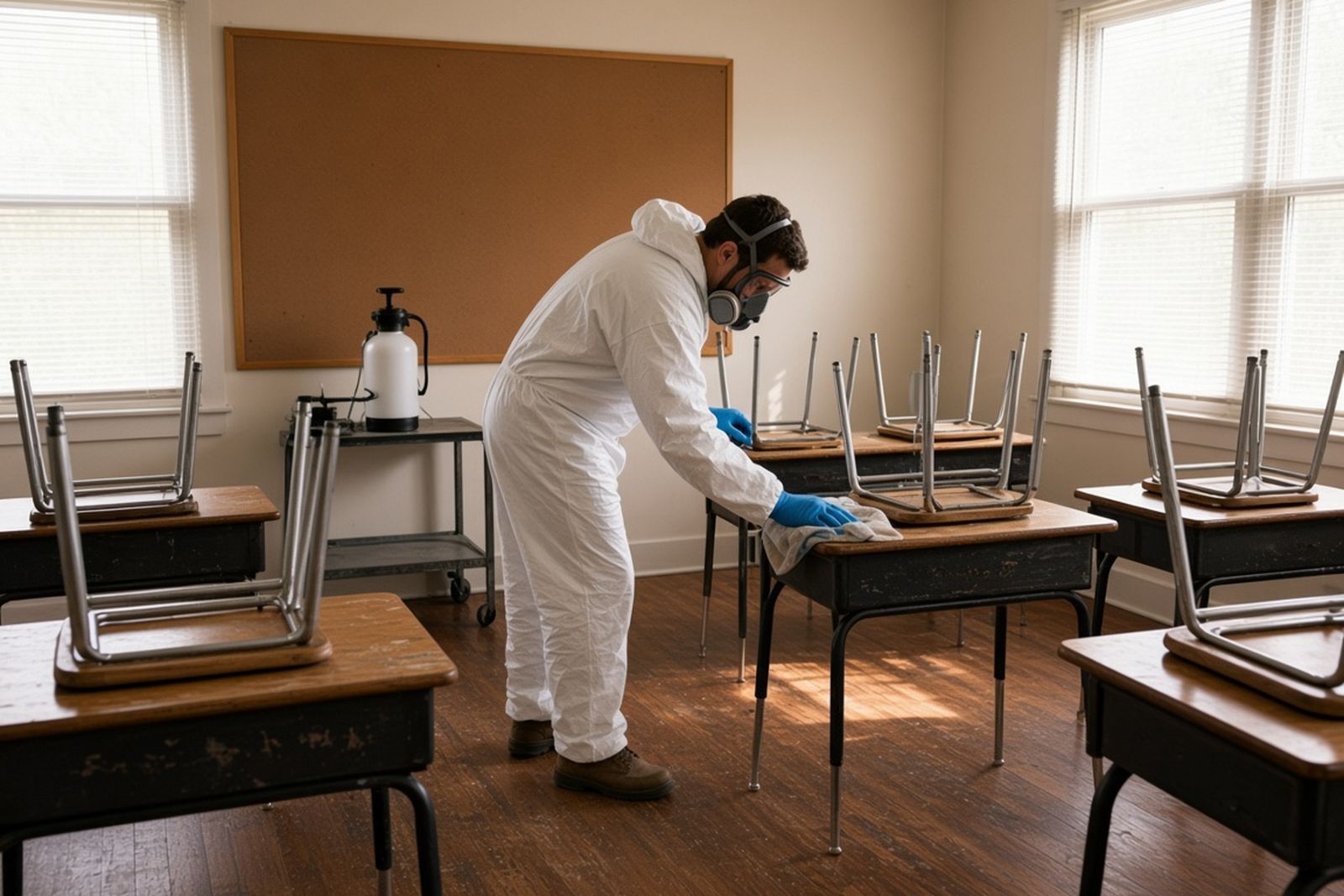
When an illness hits a building you manage, focus on shared spaces and high-touch surfaces. Protect the sick person's privacy and follow any instructions from the local health department. Hire a company that names the germ, uses an EPA-registered product whose label lists it, keeps surfaces wet for the full time, and writes down what was treated. Check local rules before you limit access to a unit.
Infectious Disease Disinfection Planning Example: Building a Defensible Scope
Walk through a hypothetical home disinfection after a C. diff illness. See how each line of a written work plan can be explained to you and checked.
A good written work plan ties every step to the germ involved and the surfaces people touched. It names a product whose label lists that germ, with the wet time to match. It keeps cleaning and disinfecting as separate steps, explains what happens to soft items, and notes when you can go back in. It ends with records you can review. The made-up home example below shows how that thinking works.
Commercial vs Residential Infectious Disease Disinfection
Disinfecting your home after the flu is not the same job as treating an office, school, or clinic after an outbreak. See how the work, rules, timing, and records differ.
A home job is small. It covers your household, the rooms the sick person used, and personal belongings. A business job covers more people and more shared surfaces, and often a health department or licensing agency is watching. In both, the product's label must list the germ and the surface must stay wet for the full time on the label. Business jobs usually need work in stages and more formal records.
Environmental Responsibility in Infectious Disease Disinfection
Outbreak disinfection can go too far and leave residue, fumes, and waste behind. See how careful, targeted methods protect people and the planet and still do the job.
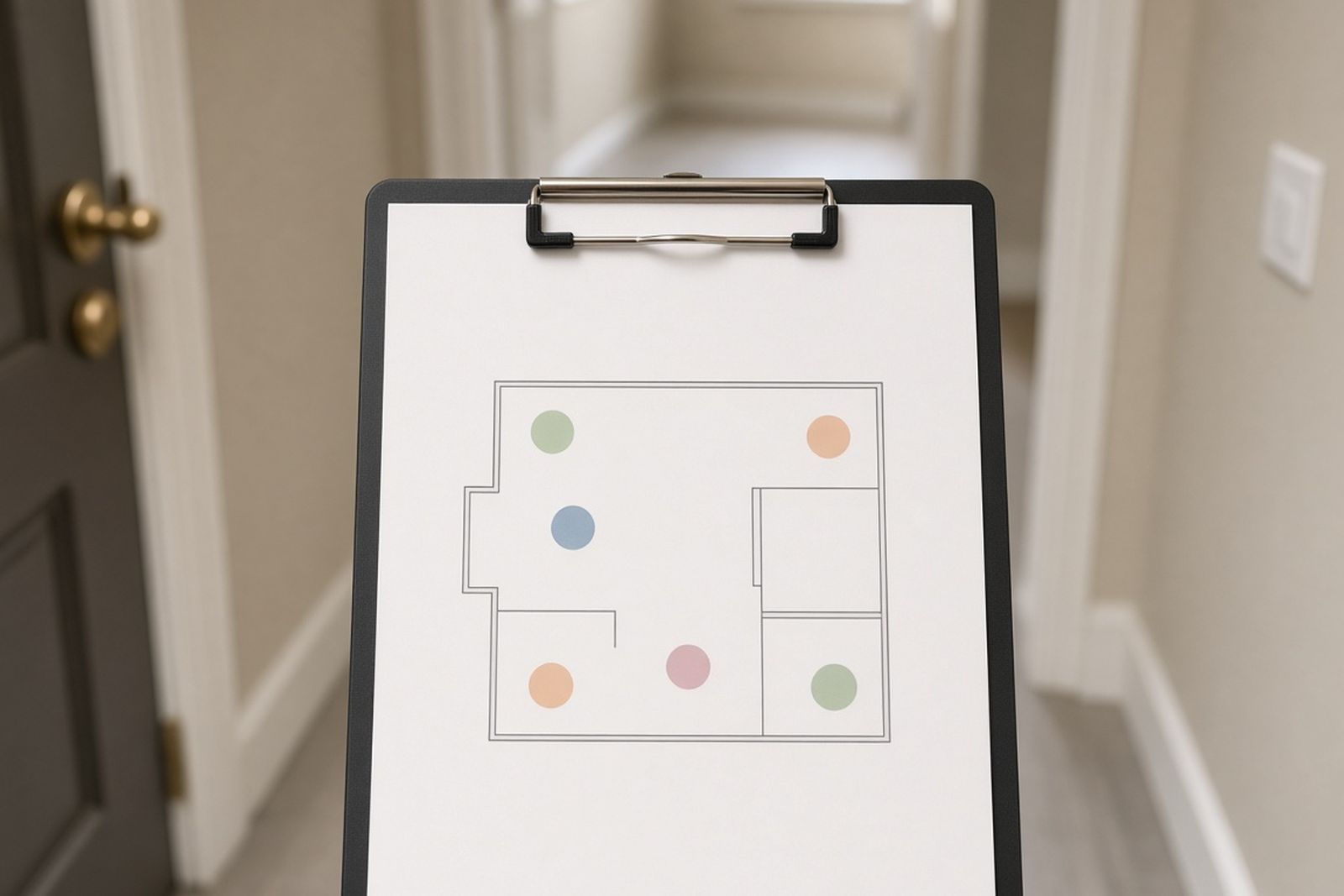
Yes, you can disinfect well and still go easy on the environment. Treat the surfaces and germs that matter. Use registered products at label strength for the full wet time. Choose cleaning plus targeted wiping over fogging everything. Protect the indoor air, and throw away wipes, concentrates, and rinse water the right way. Doing less, but doing it correctly, usually lowers both the health risk and the harm.
Facts worth knowing
CDC school guidance says flu virus can live on a surface, and possibly infect someone, for up to 48 hours.
Why it matters: If someone in your home or building has flu, wipe down shared surfaces often while they are sick.
In lab studies, MRSA lasted 7 days to 7 months on dry surfaces, C. difficile spores 5 months, norovirus up to 7 days, and flu 1 to 2 days.
Why it matters: Waiting may not clear some germs, so you may need to disinfect surfaces a sick person touched.
The American Psychiatric Association estimates 4% to 15% of bereaved adults develop prolonged grief disorder, which can be diagnosed 12 months after a loss.
Why it matters: If your grief still disrupts daily life a year after the loss, it may be treatable, so consider talking with a doctor.
Industry Insights: common questions
Why might a different company show up than the one I called?
Some brands run as referral networks or franchises that pass jobs to local operators. Some firms hire other companies for special tasks. That is not always a problem, but you should know who is doing the work. Before you sign, ask which company employs the technicians. Ask whose insurance applies and who is responsible for the final record.
Did the pandemic change how disinfection companies operate?
It brought many new companies, a surge in electrostatic equipment, and closer attention to product claims. Regulators pushed back on some overblown marketing. Buyers grew more familiar with labels and contact times. Some companies that popped up quickly have since left the field. Others built lasting programs. To sort them, ask how long a firm has done outbreak work, and in which settings.
Are there industry standards for outbreak disinfection?
Several trade and cleaning groups publish training programs and suggested practices. Some offer facility accreditation. These can show a company's commitment. But they vary in how strict they are, and they are not government licenses. Ask what a credential required, whether it is current, and how it shapes the company's daily work. The product label and your local rules still carry more weight.
Why do some disinfection companies also offer unrelated cleaning services?
Many firms started in restoration, janitorial, or specialty cleaning. They added outbreak disinfection when demand rose. Offering several services keeps crews busy between outbreaks. That is not a problem in itself. But ask how much of their work is outbreak response. Ask if the technicians sent to you have that experience.
How do disinfection companies handle busy illness seasons?
Demand often rises during peak seasons for respiratory and stomach illnesses. Some companies put contract clients first. Others bring in temporary staff or team up with other firms. Ask how they handle surges and whether your facility will get priority. Setting up service before the season begins can help. Keep a backup vendor's number in your plan as well.
What role do product distributors play in the disinfection industry?
Distributors supply products, equipment, and sometimes training to both vendors and facilities. They can explain label claims, mixing systems, and which products are safe on which surfaces. Some also sell store-brand versions of registered products. Their advice can be useful, but always check the label and registration number yourself. A store-brand product should carry the same registration number as the original. Compare them before you assume they are the same.
Are disinfection companies regulated like other contractors?
Oversight varies. Businesses must follow product labels and worker safety rules. Some states require a pesticide license for certain kinds of commercial disinfection. General business licensing applies, as it does for other contractors. Ask each vendor what licenses apply in your state. Confirm with the state agency if needed. Keep a copy of any license in your vendor file.
Related community polls
Vote to see how other people answered. You can change your answer at any time.
When your facility had an illness cluster, how did you handle cleaning?
How did you decide whether to close all or part of the facility?
More on infectious disease disinfection
Infectious Disease Disinfection services
Learn how expert outbreak disinfection works in schools, offices, clinics, gyms, and care homes. See each step, from mapping high-touch spots to checking contact times and records.
Costs explained
What drives the price, published cost ranges, and how to read a written quote line by line.
Insurance and payment
Which policies may respond, how to document a claim, and what to do if coverage is denied.
Planning tools
Hands-on tools help you see cost drivers, check vendors, and organize a claim file. They also help you plan the first day, sort waste, and judge if staff can do the work.
Community polls
See how other facility managers handled closing, vendors, and telling people during outbreaks. Then take the questions that come up to your own team.
Knowledge quiz
Test what you know about product labels, contact times, keeping germs contained, and records. Do it before you approve a disinfection plan or brief your leaders.
City guides
Find disinfection companies who serve your area for facility outbreaks. Learn what to confirm about products, training, and records before you hire.