Short answer
When an infectious illness affects a building you manage, focus on shared spaces and high-touch surfaces, protect the sick person's privacy, and follow any instructions from the local health department. Hire a disinfection provider who names the organism of concern, uses an EPA-registered product with a matching claim, respects contact times, and documents what was treated. Check local rules before restricting access to a unit.
Is disinfection your responsibility when a tenant gets sick?
Usually, a private unit is the tenant's home and their responsibility to clean, just as it would be if they had a cold. Your role grows when shared spaces are involved, when a unit turns over after an illness, or when public health staff ask you to take specific steps.
Lobbies, elevators, mailrooms, laundry rooms, fitness areas, and trash chutes are the places where one resident's illness can reach another. Those areas are under your control, and that is where a disinfection plan should start.
Commercial and mixed-use properties add another layer. A tenant business with an outbreak among its staff may ask you to disinfect restrooms, break rooms, or common corridors. Read the lease to see whether those areas fall to you, the tenant, or a janitorial contract that is already in place.
The first steps when you hear about an illness
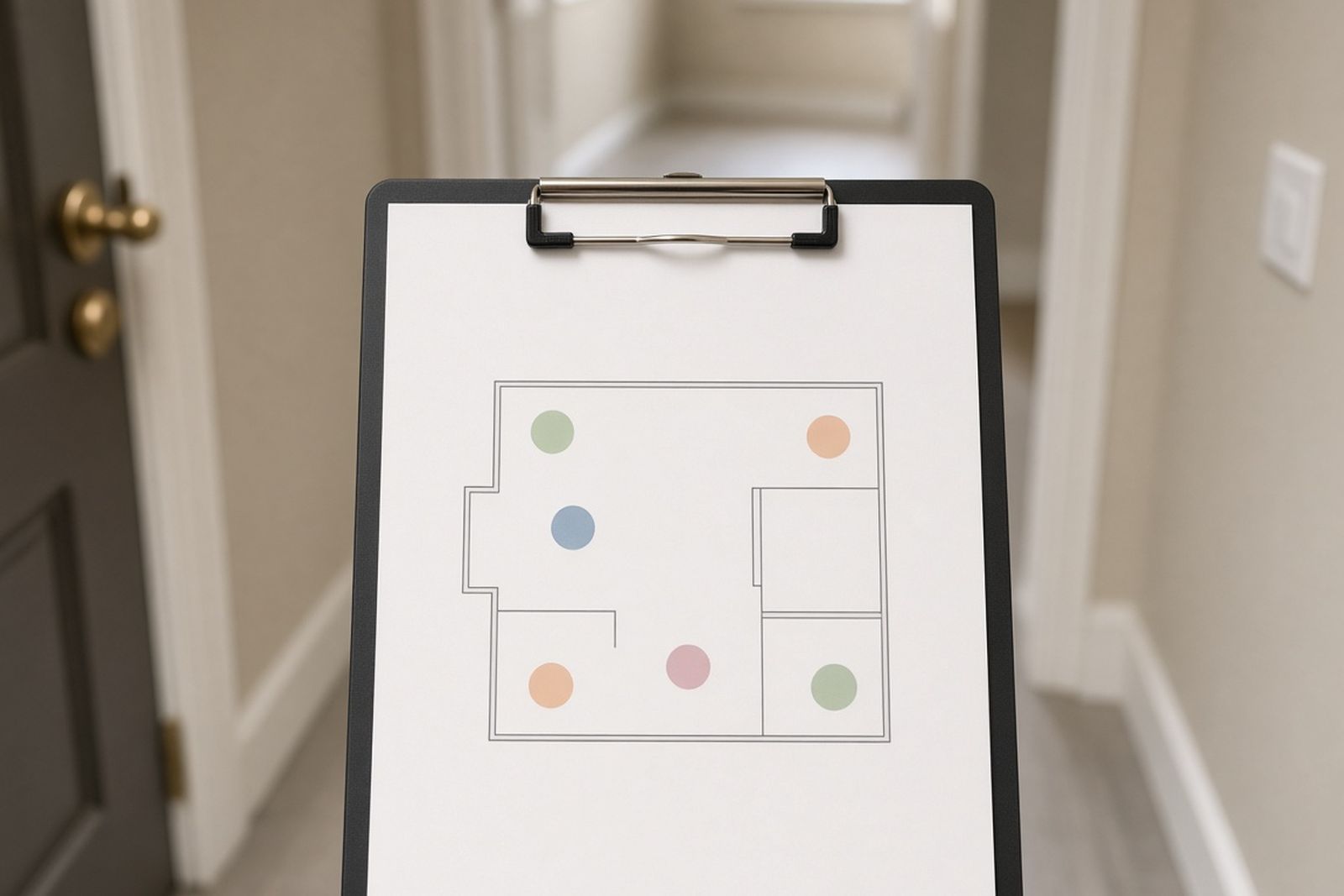
Start by getting the facts you actually need, which are rarely medical details. You need to know whether there is a contagious illness affecting people who use shared spaces, roughly which areas they used, and whether a health department is involved.
Then increase routine cleaning in common areas, focusing on surfaces many people touch. That step is low-cost, reversible, and helpful for most illnesses, even before you know exactly what is going on.
- Elevator buttons, handrails, and door push plates
- Mailbox keys and package locker touchscreens
- Laundry machine controls and folding tables
- Shared restroom fixtures and paper towel dispensers
- Fitness equipment grips and seating
- Intercom and keypad entry panels
Protecting privacy while still warning residents
Health information is sensitive, and residents are rarely helped by knowing who is ill. A notice can say that a contagious illness has been reported in the building, which areas are getting extra attention, and what residents can do to protect themselves, such as washing hands and staying home when sick.
Do not name the resident, their unit, or their diagnosis unless they have given clear permission and you have checked with your legal adviser. Even hints such as the floor number can identify someone in a small building.
If the health department contacts you, follow their direction on what to share. They may already be reaching out to people who were exposed, and a separate message from management can create confusion.
Expect questions and some fear. Residents may ask whether they should move out, whether their children are safe in the play area, or whether the building is being hidden from inspectors. Answer calmly with what you know, explain what you are doing in common areas, and point people to their own doctors or the health department for medical advice. Keep a record of the questions you receive, because patterns in those questions often show you where your next notice needs to be clearer.
Which organisms change how a unit or common area should be treated?
Not every illness calls for the same product. Enveloped viruses, such as influenza and the coronavirus that causes COVID-19, are relatively easy to inactivate. Norovirus is tougher, and C. difficile spores are tougher still, requiring products with a specific sporicidal claim.
Persistence varies too. Hardy bacteria such as MRSA can survive on dry surfaces far longer than influenza viruses do, which helps explain why a turnover after a resistant skin infection deserves more care than a turnover after a routine cold.
Stomach bugs move fast through shared housing, especially where older residents share dining rooms and activity spaces. If you manage senior housing or assisted living, treat norovirus as a planning scenario rather than a rare event.
You will not always know the organism. A resident may simply say they have been sick, and a health department may not confirm anything for days. In that gap, a sensible approach is to choose products with broad label claims, including norovirus, for shared restrooms and high-touch points. It costs little more and covers the harder cases while you wait for clarity.
What providers and janitorial contracts should put in writing
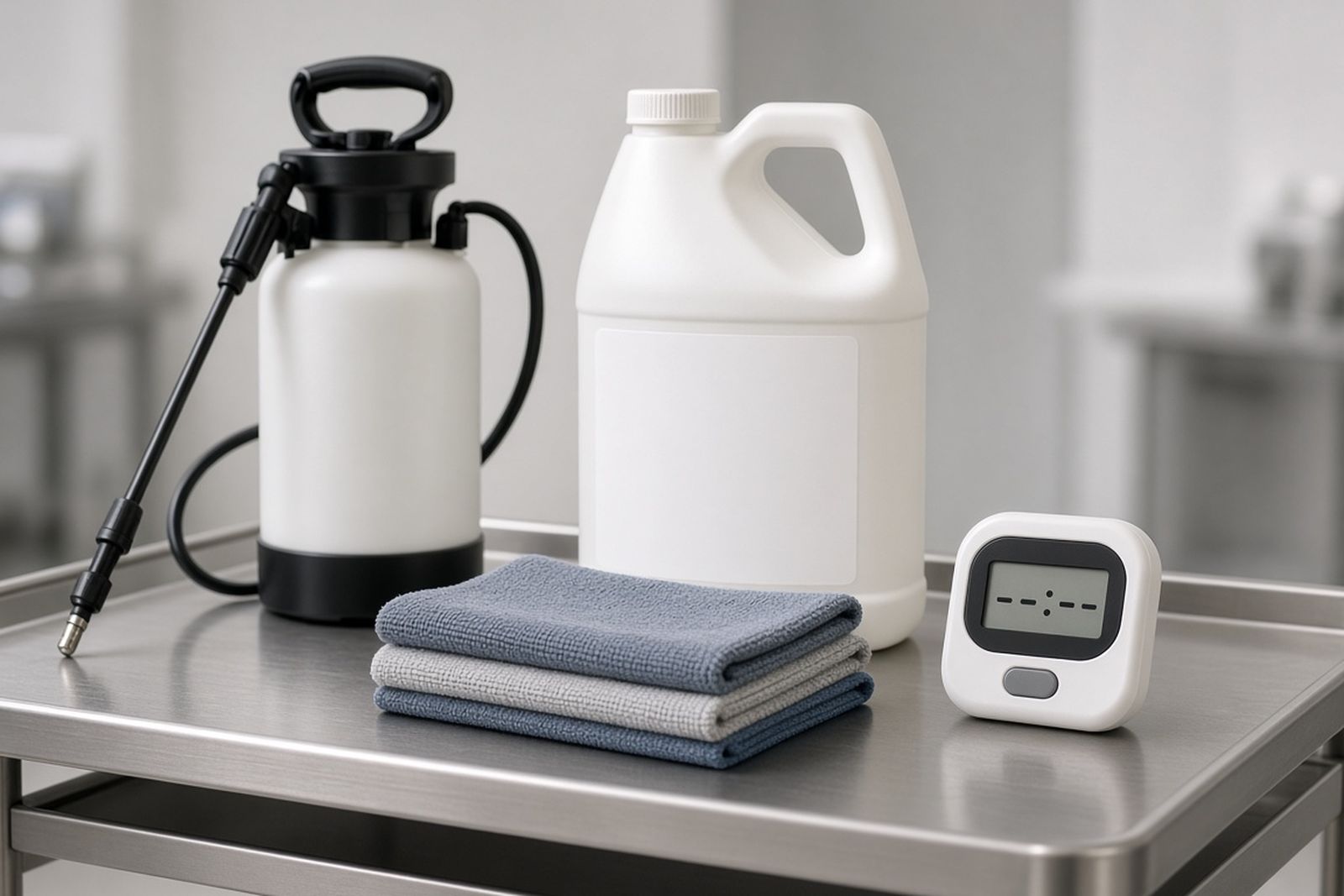
Ask for a scope that names the organism of concern or, if it is unknown, explains the assumption the provider is working from. The scope should list the rooms and surfaces to be treated and the product to be used, with its EPA registration number and the contact time listed on the label for that organism.
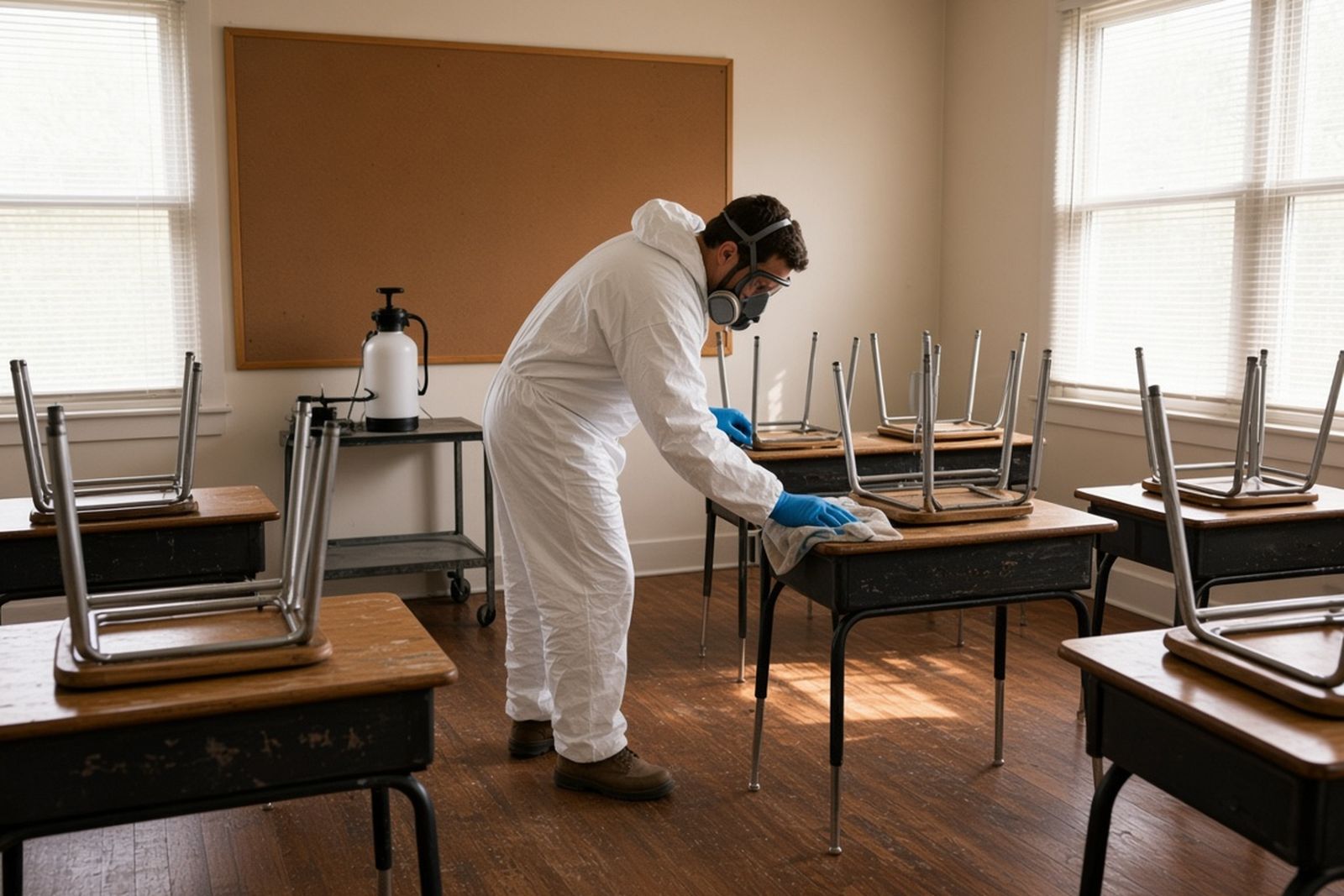
The scope should also describe how the provider will clean surfaces before disinfecting, how soft items such as upholstered furniture and curtains will be handled, and how long residents or staff must stay out after any spray or fog application.
Finally, ask what documentation you will receive at the end. A simple log of areas treated, product used, dwell time observed, and technician name is enough for most buildings and helps if questions come up later.
Be wary of a proposal that leads with equipment rather than method. Foggers and electrostatic sprayers can be useful, but a quote that promises to treat an entire building in an hour without mentioning pre-cleaning, product claims, or re-entry times is selling speed, not results. Ask the provider how they will handle surfaces the spray cannot reach, such as the underside of handrails or the inside of a keypad housing.
Many buildings already pay for routine cleaning, but routine cleaning is not always disinfection. A crew that sprays and wipes immediately is removing dirt, not killing organisms. An American Cleaning Institute survey in 2020 found 42% of Americans were not letting disinfectant sprays and wipes stay wet long enough to work.
Review your janitorial agreement to see whether it names specific products, disinfection frequency, or surge procedures during an outbreak. If it does not, you may want to add an addendum that describes what the vendor will do when you call an outbreak response, and at what additional cost.
Ask the janitorial vendor to show you the labels for the products they use. A label tells you which organisms the product is registered against and the required wet time, which is more useful than a sales sheet.
Case in point: a stomach bug in senior apartments
Consider, as an illustration, a 60-unit independent living building. Over four days, several residents report vomiting and diarrhea, and the local health department suspects norovirus. The community room hosted a potluck the weekend before.
The manager pauses group events, closes the community room, and posts a notice asking residents to report symptoms to their own doctors and avoid shared spaces while ill. The janitorial team steps up wiping of elevators and handrails, but the manager checks the product label and finds it carries no norovirus claim.
A disinfection provider is brought in to treat the community room, the shared kitchen, and the lobby restrooms with a product that has a norovirus claim, keeping surfaces wet for the full labeled time. Upholstered chairs from the community room are cleaned according to the provider's plan, and the janitorial team switches its stock to a product with the right claim. Events resume only after the health department indicates new cases have stopped.
Unit turnover and planning for the next outbreak
Turnover after a serious illness or a death from an infectious disease raises practical and emotional questions. Coordinate with the family or estate on removing belongings, and let them know which items may need special handling before donation or storage.
Once the unit is empty, a thorough cleaning followed by disinfection of hard surfaces, laundering or replacement of soft furnishings you own, and HVAC filter replacement is a reasonable baseline. Your provider can recommend more if the illness was caused by a hardy organism.
Any delay in re-leasing should be based on the provider's work and any health department guidance, not guesswork. Rules vary by state and county; verify with the local authority, particularly for disclosure duties to incoming tenants and for group housing licensed by the state.
Write a short outbreak playbook. It can fit on two pages and should list who decides to escalate, which vendors you will call, which common areas close first, and the template notice you will send residents.
Keep a small supply of products with broad label claims, including norovirus, on site so your team is not scrambling. Train maintenance staff on reading labels, wearing gloves, and never mixing products, since some combinations release harmful gases.
If your maintenance staff might be exposed to blood or other potentially infectious materials during this work, you as their employer carry workplace safety duties, including training and protective equipment. Check the applicable standards with your safety adviser before an event, so the playbook already reflects them.