Infectious Disease Disinfection: Choosing a Company
Evidence to request from infectious disease disinfection providers: business identity, applicable training, insurance, scope assumptions, waste routing, verification, availability, and responsibility for subcontractors.
Posts in this category help you tell a careful outbreak disinfection provider from one that leans on dramatic claims. You will find lists of questions for the first phone call. You will find what a sound proposal should include. You will also find warning signs. These include promises of a germ-free building, vague product names with no registration numbers, and a reluctance to talk about contact time. Articles also compare cleaning contractors, restoration firms, and disinfection specialists. They explain how experience in clinics or care homes differs from general business cleaning.
Get an email reply about infectious disease disinfection
Send a short message to the follow-up inbox. A coordinator can reply by email. This form does not send emergency help; call 911 first if anyone is in danger.
Choosing well matters because the vendor's work and paperwork are what you will show to parents, residents, inspectors, or a board. Pick a provider that explains its thinking clearly, shares labels and sample records, and respects your routines. That makes those talks easier. These posts aim to make the choice feel less rushed, even when an outbreak is already under way.
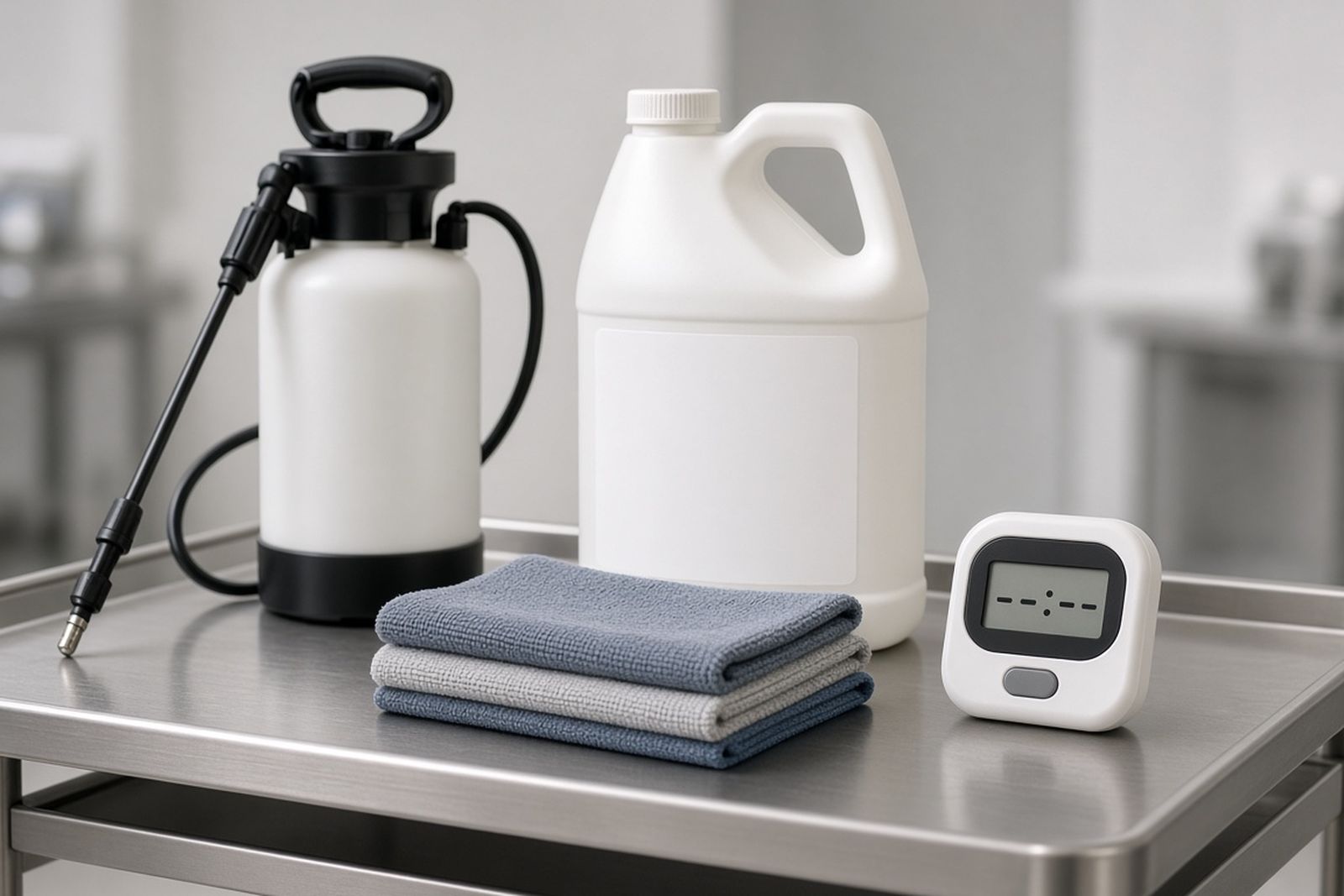
10 Questions to Ask Before Hiring an Infectious Disease Disinfection Company
Ten questions facility managers should put to any outbreak disinfection vendor, covering product claims, contact time, staff training, methods, and reporting.
Ask any outbreak disinfection vendor which registered product they will use and whether its label covers your organism, how they will achieve the labeled contact time, how they clean before disinfecting, what training and protection their staff have, how they treat electronics and soft goods, what re-entry guidance applies, and what the final report includes. Specific, verifiable answers are the best sign of a qualified company.
Red Flags When Hiring Infectious Disease Disinfection Services
Warning signs facility managers should watch for when hiring outbreak disinfection vendors, from fogging-only pitches to kill claims no label can support.
Watch for vendors who promise to eliminate an outbreak, cannot name an EPA-registered product with a claim for your organism, skip pre-cleaning, rely on fogging alone, ignore label contact times, avoid written scopes, or offer no documentation afterward. A good outbreak disinfection provider asks what organism is involved, maps high-touch surfaces in your building, and explains exactly how each product will be applied and verified.
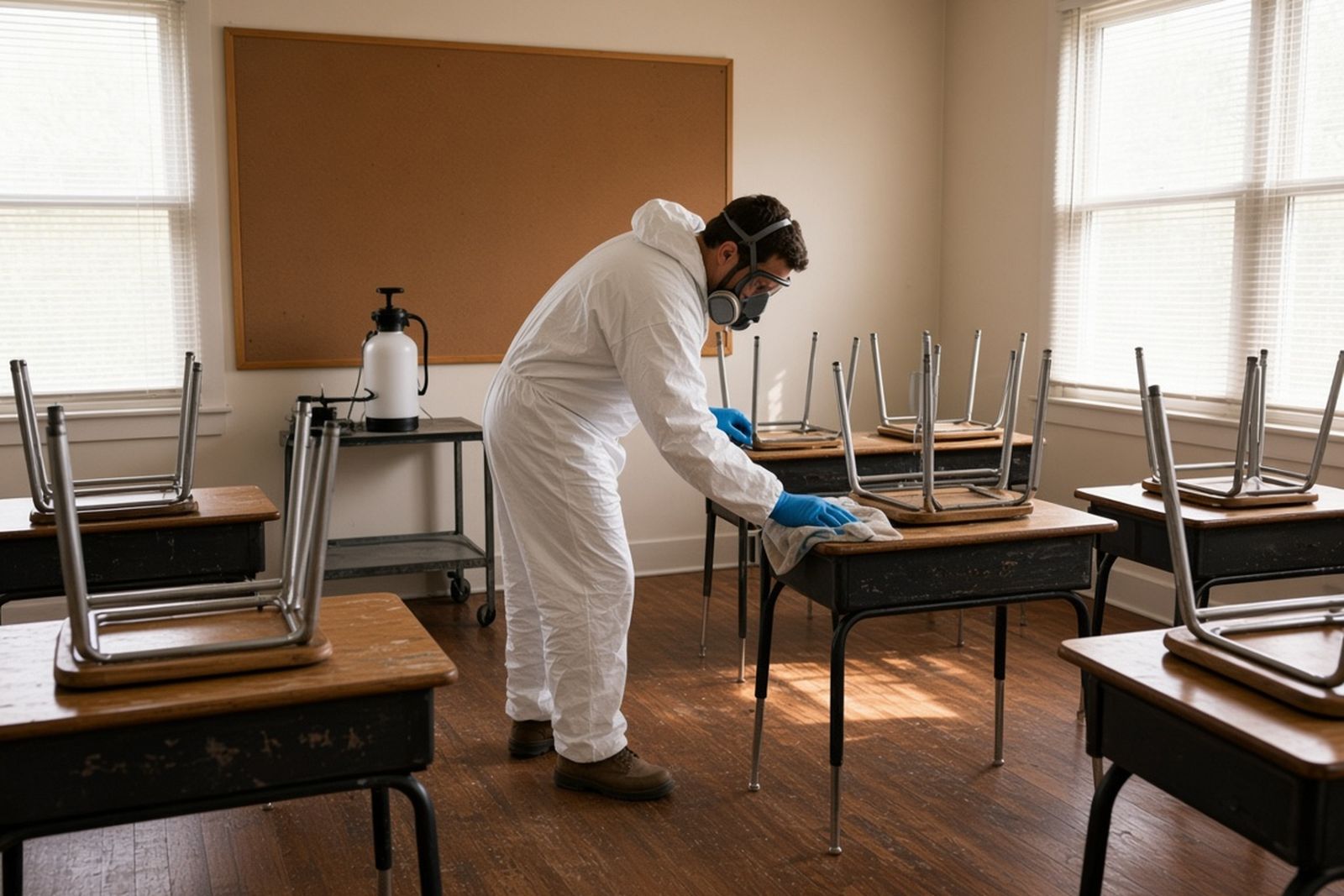
Training, Documentation, and Credentials for Infectious Disease Disinfection
Which training records, credentials and final reports building managers should ask for from an outbreak cleaning company before letting a crew inside.
When you hire a company for outbreak disinfection, look for written training on bloodborne germs, breathing protection and chemical safety. Look for a written plan to limit exposure and knowledge of EPA registration and label rules. Check for the right insurance and any local license. Then insist on records. You want product names and registration numbers, contact times, areas treated and a signed final report. You should be able to share it with leaders, inspectors and families.
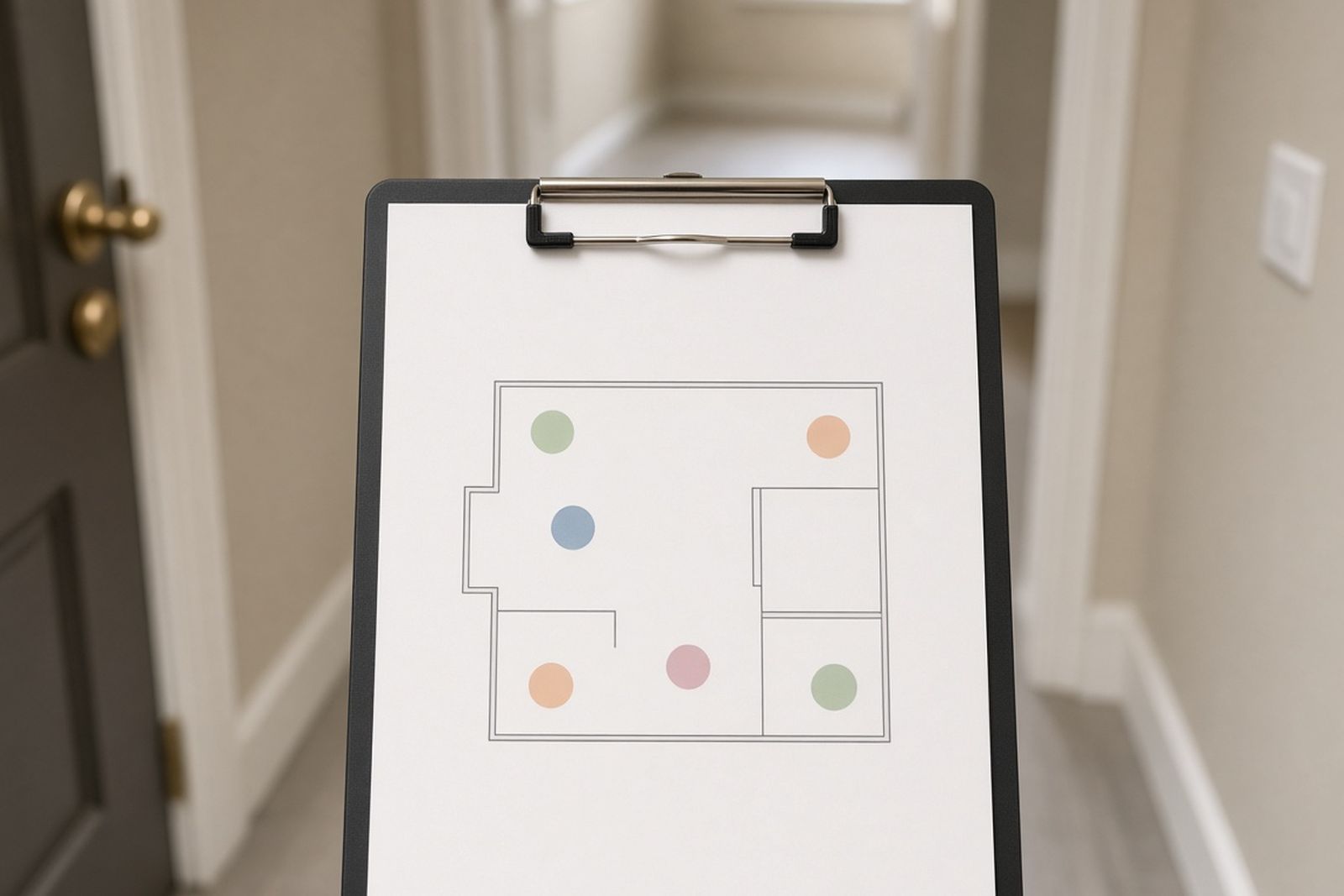
How to Compare Local and National Infectious Disease Disinfection Providers
Local specialists and national disinfection brands differ in reach, surge capacity, and outbreak experience. Learn how to compare them on what really counts.
Local and national infectious disease disinfection providers can both deliver effective work. Local firms may offer faster personal attention and relationships with area health departments, while national brands may bring standardized protocols, surge crews, and multi-site contracts. Compare them on the same essentials: organism-specific product choice, cleaning before disinfection, documented contact times, re-entry timing, trained staff, and clear records you can share with regulators.
Sourced figures on choosing a company
- 1,000-5,000 ppm
For norovirus, CDC recommends a 1,000 to 5,000 ppm chlorine solution (5 to 25 tablespoons of household bleach per gallon of water) left on surfaces for at least 5 minutes.
Read with care: Higher concentrations than general bleach guidance; surfaces should be cleaned with soap and water after.
Source: CDC (2024)Household guidance after vomiting or diarrhea events, United States
- 5 tablespoons per gallon
CDC advises mixing 5 tablespoons (1/3 cup) of bleach per gallon of water, leaving it on surfaces at least 1 minute, and making a fresh solution daily because it loses effectiveness after 24 hours.
Read with care: Assumes 5-9% household bleach; bleach can damage surfaces and must never be mixed with ammonia.
Source: CDC (2024)General household guidance, United States
- 6 log10
A 2020 study found an electrostatic sprayer applying 0.25% sodium hypochlorite reduced C. difficile spores by 6 log10 or more with a 5-minute contact time and disinfected a 15-20 chair waiting room in about 5 minutes.
Read with care: Results are specific to the tested sprayer and disinfectant; efficacy depends on the chemical, not the sprayer alone.
Source: American Journal of Infection Control (2020)Laboratory and hospital field testing, single device and disinfectant
These figures are public research and agency data, not this network's own job records. Keep each number with its population, year and limits; none of them predicts cost, timing or outcome at a specific property.
What research has found
Findings from published studies of people and properties in situations like this one. They describe what researchers observed in a specific group; they are not predictions for your case.
Bleach and quaternary-ammonium products were the most frequently reported disinfectants.
Most lacked confidence about occupying a room previously used by a patient with a known infection.
Choosing a Company: common questions
What should I ask on the first call with a disinfection company?
Ask which products they would use and for which germs. Ask how they make sure surfaces stay wet for the full contact time. Ask if they clean before spraying and what their written record includes. Ask about their experience in facilities like yours. Ask how they protect electronics and food areas, and who handles waste. Clear, specific answers are a better sign than a long list of credentials.
Should I be wary of a company that guarantees a pathogen-free space?
Yes. No honest provider can promise that a building is free of every germ once people return. People bring new germs in right away. A careful company describes what it will do and writes it down. It explains that disinfection supports other steps, such as hand washing and staying home when sick. Promises like this usually point to marketing, not method.
Is it better to hire our regular janitorial contractor or a specialist?
It depends on their training, products, and how much they can take on during an outbreak. Some cleaning firms have strong disinfection programs. Others focus on routine cleaning. They may lack sprayers, products labeled for norovirus, or experience writing detailed records. Ask both kinds of provider the same questions and compare the answers. A specialist may be most useful for large or sensitive facilities.
Should we ask for a site visit before choosing a company?
When time allows, yes. A site visit lets the vendor see your surfaces, soft goods, electronics, and layout. It also lets you judge how they think. Watch whether they ask about the germ, the people in the building, and the schedule. During an urgent outbreak, a detailed call with photos and a floor plan can take its place. Just know the scope may change when the crew arrives.
How much weight should price carry in the decision?
Price matters, but it should come after the basics. You need a product that lists the right germ and a plan for contact time and cleaning first. You need protection for the people in the building and a useful report. Among vendors who meet those basics, price and availability can fairly decide. A cheap bid that skips the basics often ends up costing more when the outbreak goes on.
Is it a problem if a company asks us many questions before quoting?
Usually it is a good sign. Questions about the germ, the rooms involved, the people there, the surfaces, and the schedule show the vendor is building a plan for your building. It is not just using a template. A company that quotes right away without asking anything is more likely to miss key details. Answer as fully as you can, so the quote reflects your real situation.
What should be in a contract for on-call outbreak service?
Include how to request service and how soon the crew is expected to arrive. List the products the vendor will use and their claims. Say how contact time will be recorded. Include pricing for different job types, after-hours rates, and what the report must contain. Also state how the contract can be ended. Review it each year to confirm the vendor still meets your needs.
Related community polls
Every count is a real visitor vote; nothing is seeded or padded. One vote per poll per device, and you can change your answer.
When your facility had an illness cluster, how did you handle cleaning?
How did you decide whether to close all or part of the facility?
More on infectious disease disinfection
Infectious Disease Disinfection services
Learn how expert outbreak disinfection works in schools, offices, clinics, gyms, and care homes. See each step, from mapping high-touch spots to checking contact times and records.
Costs explained
What drives the price, published cost ranges, and how to read a written quote line by line.
Insurance and payment
Which policies may respond, how to document a claim, and what to do if coverage is denied.
Planning tools
Hands-on tools help you see cost drivers, check vendors, and organize a claim file. They also help you plan the first day, sort waste, and judge if staff can do the work.
Community polls
See how other facility managers handled closing, vendors, and telling people during outbreaks. Then take the questions that come up to your own team.
Knowledge quiz
Test what you know about product labels, contact times, keeping germs contained, and records. Do it before you approve a disinfection plan or brief your leaders.
City guides
Find disinfection providers who serve your area for facility outbreaks. Learn what to confirm about products, training, and records before you hire.