Short answer
When you hire a company for outbreak disinfection, look for written training on bloodborne germs, breathing protection and chemical safety. Look for a written plan to limit exposure and knowledge of EPA registration and label rules. Check for the right insurance and any local license. Then insist on records. You want product names and registration numbers, contact times, areas treated and a signed final report. You should be able to share it with leaders, inspectors and families.
Why credentials matter in outbreak work
When a building calls for outbreak disinfection, it is usually because people are sick or worried. The work that follows affects staff, students, residents, patients and members who will come back to the building the next day. They cannot see whether the right product was used or whether it stayed wet long enough. They cannot see whether the crew skipped the restroom stalls.
Credentials and training records are your best stand-in for the unseen parts of the job. They tell you whether a crew understands how germs spread and how products are meant to be used. They show whether it knows how to protect both itself and the people in your building.
Records complete the picture. They turn a service call into a record you can share with a school board, a license inspector, a head office or worried parents.
This matters most where the people inside are more at risk. A memory care unit, a children's clinic and a dialysis center all house people who may get very sick from germs that would cause only mild illness in a healthy adult. In those buildings, the gap between a trained crew and a make-it-up-as-you-go crew is felt by the people least able to handle a mistake.
Worker safety training a vendor should be able to show
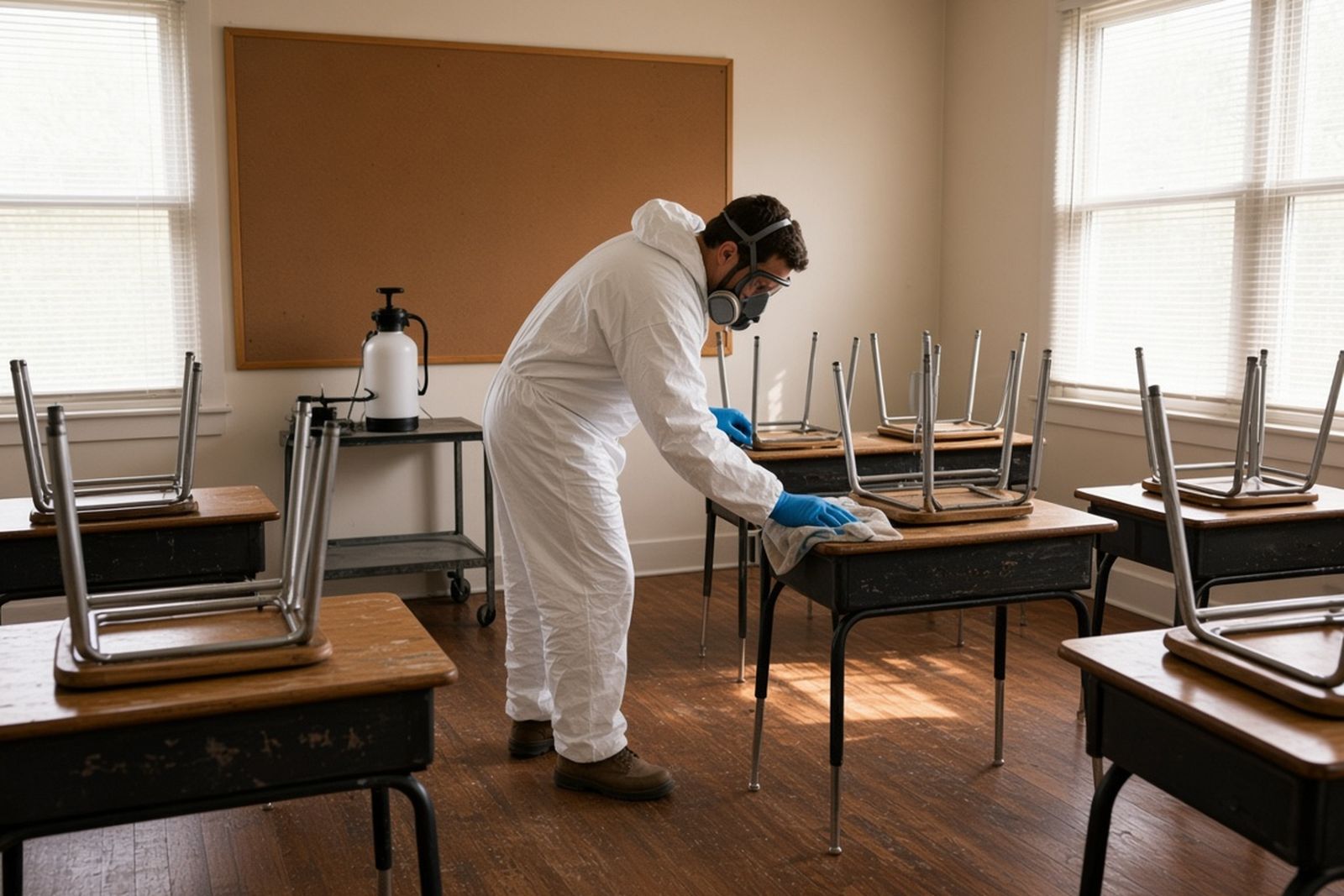
Outbreak disinfection can involve contact with vomit, feces, blood and fluids from coughs and sneezes, as well as strong chemicals. The core federal rules for blood exposure are well set. OSHA's 1991 Bloodborne Pathogens standard (29 CFR 1910.1030) requires employers with exposed workers to keep a written plan reviewed yearly, offer the hepatitis B shot within 10 working days and train yearly.
A company whose crews clean up body fluids should be able to tell you how it meets those rules. Ask when workers last finished training and whether the exposure plan is current. Ask how exposures are reported and followed up.
Beyond bloodborne germs, ask about breathing protection and chemical safety. Crews using disinfectants in closed spaces need to understand the chemicals they carry. They need to know how to protect themselves while applying them.
Notice how the company handles the unexpected. Say a worker gets splashed while cleaning a soiled restroom. What happens next? A prepared company can describe the first aid steps, who the worker reports to and how medical follow-up is set up. A company that has never thought about the question likely has not trained its crew on it either.
Why does chemical and respiratory training deserve extra attention?
Disinfecting chemicals work because they act on living things. That also means they can irritate eyes, skin and airways when used wrong. People in the building with asthma or chemical sensitivities may react. So can the workers who apply them day after day.
People who clean for a living do not all know about these risks. A crew that does not notice early symptoms may keep working in conditions that harm them. It is fair to ask a company exactly how its training covers this.
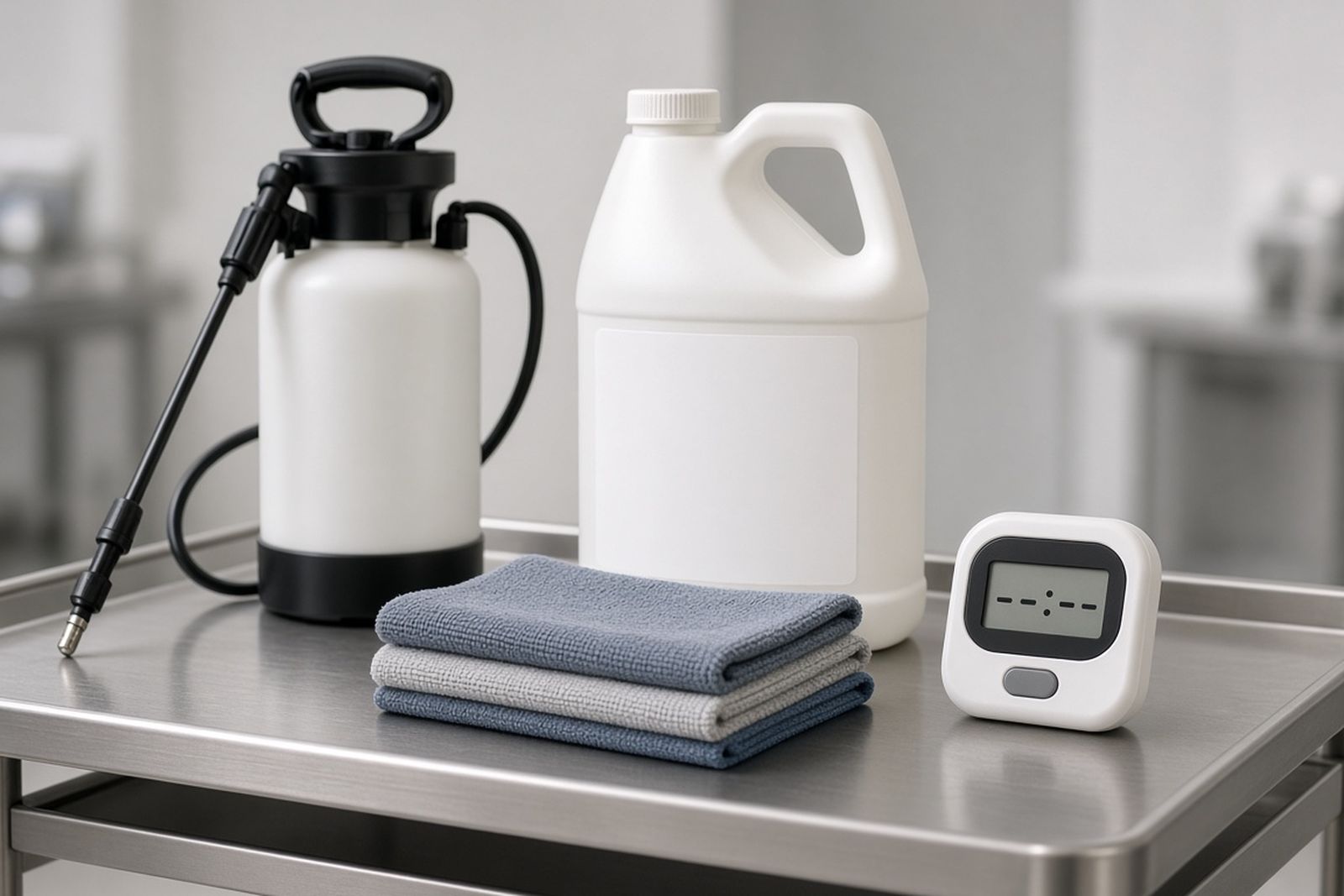
A strong answer includes reviewing safety data sheets and mixing products correctly. It covers fresh air, the right respirators for spraying or fogging and waiting times before people go back in, based on the product label. It should also cover what never to mix, such as bleach with products that contain ammonia.
Registration and label knowledge
Disinfectants are regulated products, not everyday cleaners. EPA explains that under FIFRA, a disinfectant must be registered with EPA before it can be sold or handed out in the U.S. The list of registered germ-killing products is long. With that many choices, product knowledge is itself a credential.
A qualified worker should be able to explain what the label requires. That includes mixing, surface prep, contact time, safe surfaces and any protective gear. They should understand that the label is the legal set of use instructions. Using a product in a way the label does not allow can make it work less well.
Ask the company how it chooses a product for a specific germ. Ask how it confirms that the claim applies to the way it plans to apply the product. Some products are labeled for wiping but not for fogging or electrostatic spraying.
Do third-party certifications and licenses tell the whole story?
Industry training programs and building cleaning certificates can show a company has put money into structured training and standard steps. They are worth asking about, above all if they require ongoing classes.
Treat them as a starting point, not a promise. Ask whether the certificate applies to the company, a manager or each worker. Ask whether it covers outbreak response. Some certificates focus on routine janitorial quality, not infection control.
It also helps to ask how often the company retrains. Germs, products and public health advice change. During recent flu and cold seasons, advice on surface disinfection, fresh air and fogging shifted several times. A company that relies on training from many years ago may bring outdated ideas into your building. Look for proof that training is refreshed on a regular schedule and updated when advice changes.
Licensing is a separate matter. Some places license pesticide applicators or require registration for business cleaning or biohazard services. Many do not. Rules vary by state and county; verify with the local authority or your state agriculture or health department if you need to know whether the planned work needs a license.
Insurance and contract terms
Insurance is part of a company's professional standing. General liability coverage protects your building from property damage claims. Workers' comp protects you if a worker is hurt on site. Schools, clinics and care homes may have extra contract rules, such as being named as an additional insured.
Contracts are another place to judge professionalism. A clear agreement defines the scope of work and the products. It lists the areas included and left out, access times and advice on when people can go back in. It also says how the company will report problems found during the service.
Also ask whether the company uses other firms to help. During large outbreaks, some companies bring in extra crews from other firms to keep up. That is not a problem in itself. But you should know who will be in your building and whether those workers have the same training and insurance. You should also know who is responsible for their work.
If a company pushes back on putting any of this in writing, it becomes very hard to hold it to a standard later.
What the completion report should include
Training tells you what a company knows. A final report tells you what it really did in your building. For outbreak response, that report often matters more than any certificate.
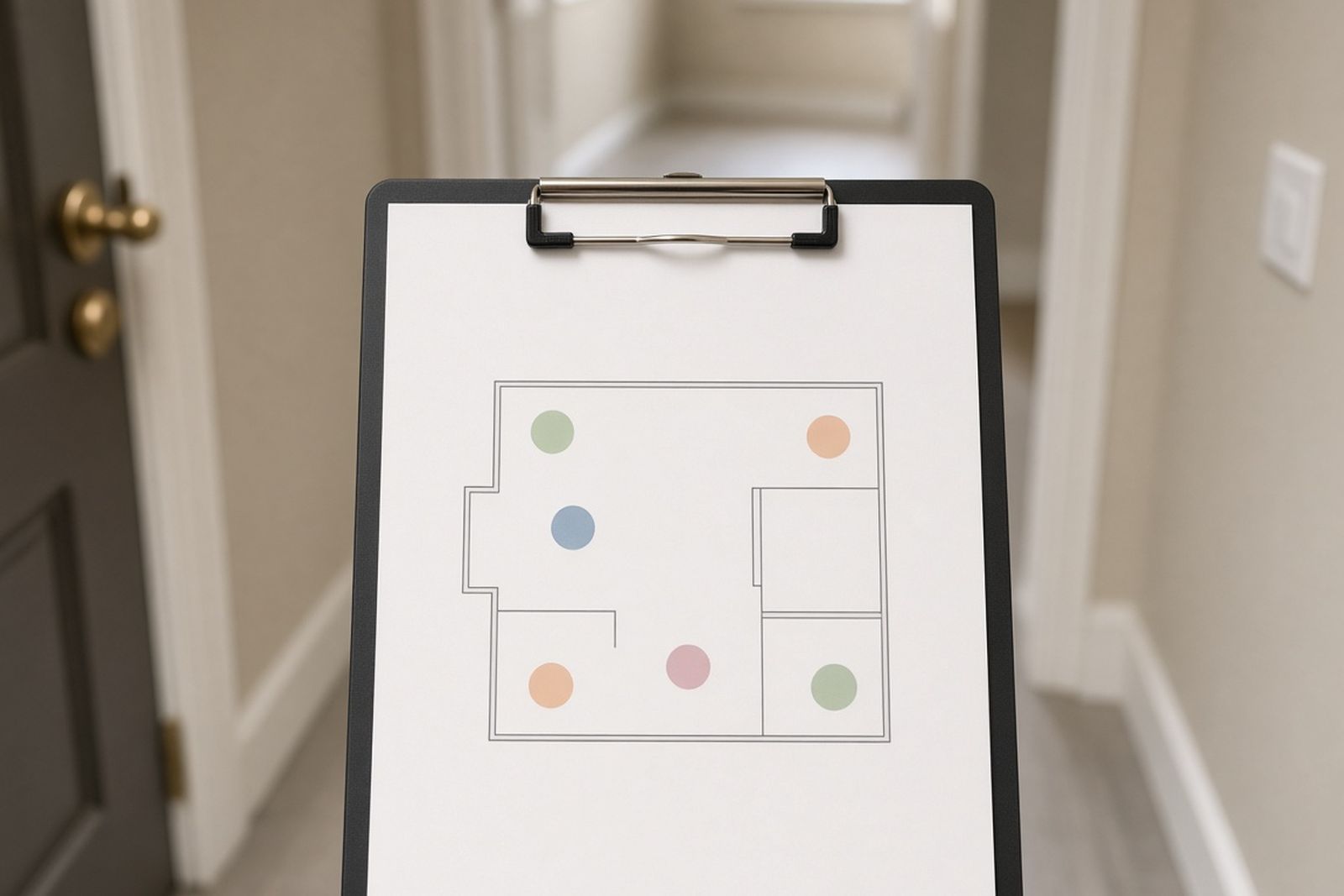
A useful report usually includes the items below. They should be organized by room or zone so you can compare the report with your floor plan.
- Date, start time and end time of service
- Names or ID numbers of the workers and the supervisor
- Product names, EPA registration numbers and how they were mixed
- The label contact time for the target germ and how it was met
- How products were applied in each area, such as wiping, spraying or electrostatic spraying
- High-touch surfaces treated and any areas the crew could not reach
- When people could go back in, and advice on fresh air given to the building
When questions come after the crew has gone
The value of records usually shows up days later. After a cluster of skin infections at a gym or similar place, the health department may call to ask what was done in the affected rooms. An owner can forward a final report showing products, registration numbers, contact times, areas treated and when the space reopened. That gives the inspector what she needs in minutes. The owner can also post a clear update for members the same day.
The same report shows whether the crew did what its credentials promised. Were the workers current on training for bloodborne germs and breathing protection? Did the product's label carry claims for the likely germ? Were high-touch surfaces cleaned before disinfecting? Without the report, you are left describing the service from memory and hoping the company answers the phone.
Checking a vendor before you sign
Ask for proof, not promises. Ask for training summaries for the crew assigned to your site and a current certificate of insurance. Ask for any license your area requires. Also ask for a sample final report from an earlier job with client details removed.
Look up the disinfectant registration numbers the company gives you and read the labels yourself. Confirm that the germ you are worried about is listed and that the planned way of applying it is allowed. If your building has an infection control nurse, school nurse or medical director, bring them into the review.
Keep the records from every service in one file. Over time, that file becomes part of your building's outbreak response plan. It shows leaders and regulators that choices were made with care, not in a panic.