Short answer
Building disinfection has moved from general janitorial cleaning to a more targeted practice. Crews choose EPA-registered products with claims for specific germs. They keep surfaces wet for the time the label requires. They map the surfaces people touch most and pair hand wiping with spray tools. Workers are protected under rules on bloodborne germs, and each service is written down. The COVID-19 pandemic sped up many of these changes. It also showed the limits of relying on fogging first.
Before outbreak response became specialized
For decades, most schools, offices, gyms and care homes relied on routine janitorial cleaning. Floors were mopped and restrooms were wiped with a general disinfectant. Trash was emptied and surfaces were dusted. When someone got sick, the usual response was an extra round of the same routine.
Hospitals built stricter cleaning programs, above all for isolation rooms. But outside health care, people rarely talked about which products worked on which germs. A cleaner was a cleaner. A strong smell was taken as proof that it worked.
That began to change as outbreaks in schools, on cruise ships, in long-term care homes and in sports programs drew attention to how germs move through shared spaces.
Part of the problem was that routine products were chosen for cost, smell and ease of use, not for the germs they could kill. Many were watered down to stretch a budget. They were applied with a single pass of a cloth and wiped dry right away. In normal times, that was often enough to keep a building looking clean. During an outbreak, it left real gaps.
How worker protection shaped the field
One key turning point was the formal finding that cleaning staff can be exposed to germs. OSHA's 1991 Bloodborne Pathogens standard (29 CFR 1910.1030) requires employers with exposed workers to keep a written plan reviewed yearly, offer the hepatitis B shot within 10 working days and train yearly.
That framework changed how employers thought about custodians and cleaning staff. Cleaning up vomit, blood or other body fluids was no longer just unpleasant work. It was a known job exposure, with expectations for training and protective gear.
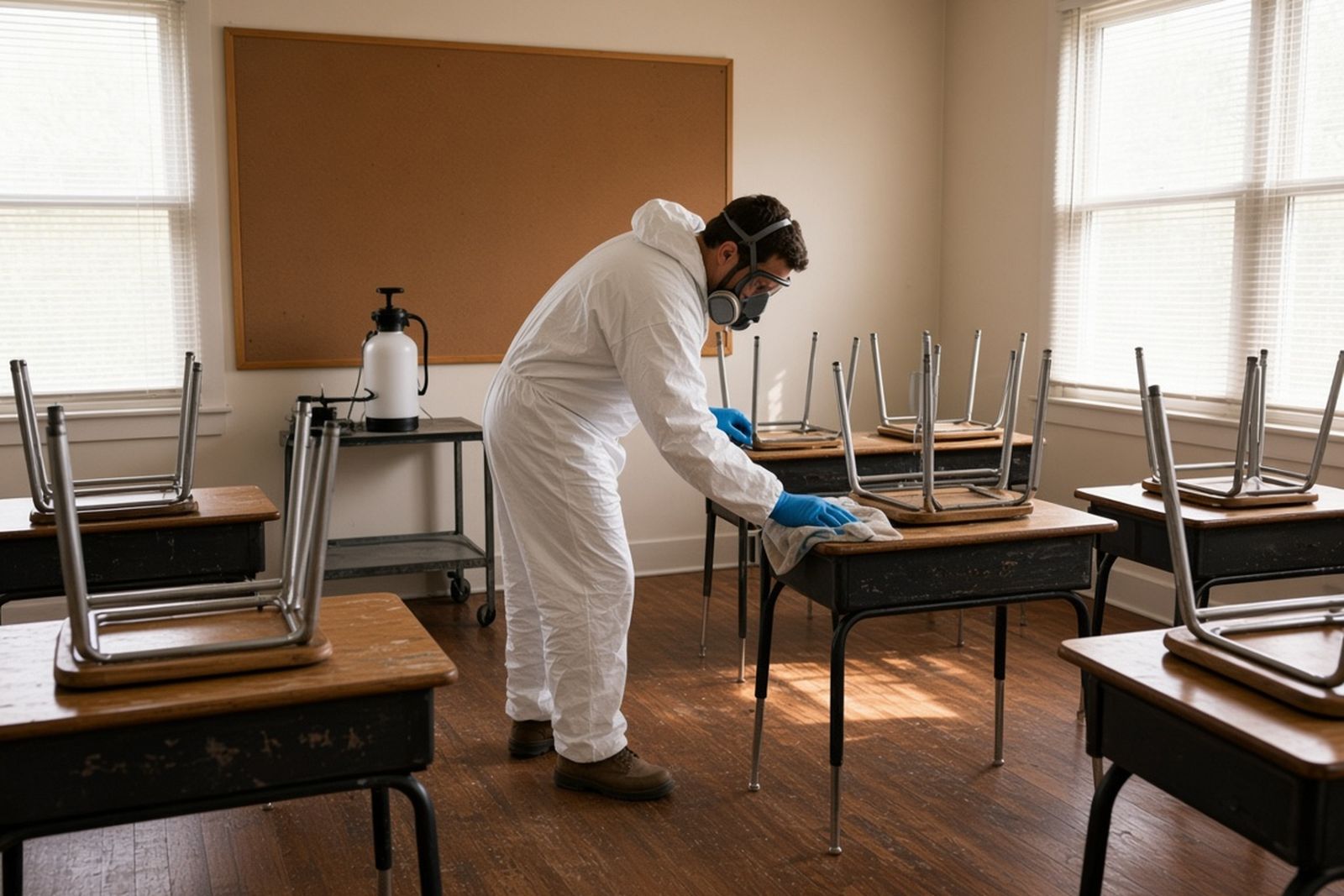
Specialist disinfection companies built on that base. Their crews were trained not only to clean but to protect themselves. They also learned to handle soiled materials in a way that did not spread germs further.
The move to organism-specific products
Disinfectants are registered products. Their labels list the germs they have been tested against and the conditions for use. Over time, building managers learned to read those labels. They learned to ask whether a product really covered the illness in their building.
Public agencies helped by publishing product lists for specific threats, such as norovirus and C. difficile spores. Those lists gave schools and care homes a practical way to match products to outbreaks, instead of relying on sales claims.
The shift also showed how different germs are. A product that works fast against a virus with an outer coat, like flu, may need a much longer contact time against a virus without one, like norovirus. Only certain products are registered against bacterial spores. Choosing products for the specific germ has become a key feature of professional outbreak response.
Contact time, meaning how long the disinfectant must stay wet, moved to the center of that talk. Early users of registered disinfectants often ignored the wet time on the label. They sprayed and wiped in one motion. As training got better, crews began treating contact time as a must, not a suggestion. Supervisors began checking it on large jobs. Many companies now choose products partly because their contact times work for the surfaces and schedules in a given building.
The pandemic, and the rise and limits of spraying
The pandemic pushed surface disinfection into the public eye almost overnight. Buildings that had never thought much about disinfectants suddenly needed products, companies and steps. EPA's List N of products approved against SARS-CoV-2 grew from 85 in March 2020 to more than 500 by October 2020, according to EPA in 2020.
Cleaning staff saw big changes in their daily work. Many buildings cleaned more often, moved toward spraying and fogging and brought in new equipment.
The pandemic also taught hard lessons. As people learned more about how the virus spread through the air, public health advice put more weight on fresh air and less on constant surface disinfection. Buildings that had spent heavily on fogging learned that visible spraying did not always cut illness. They also learned that too many chemicals could bother the people inside and the workers.
Foggers and electrostatic sprayers promised to cover large areas quickly. For busy buildings, they looked like a fast answer to outbreak pressure. Used the right way, they can help treat hard-to-reach areas. That means using products labeled for that method, after surfaces are cleaned.
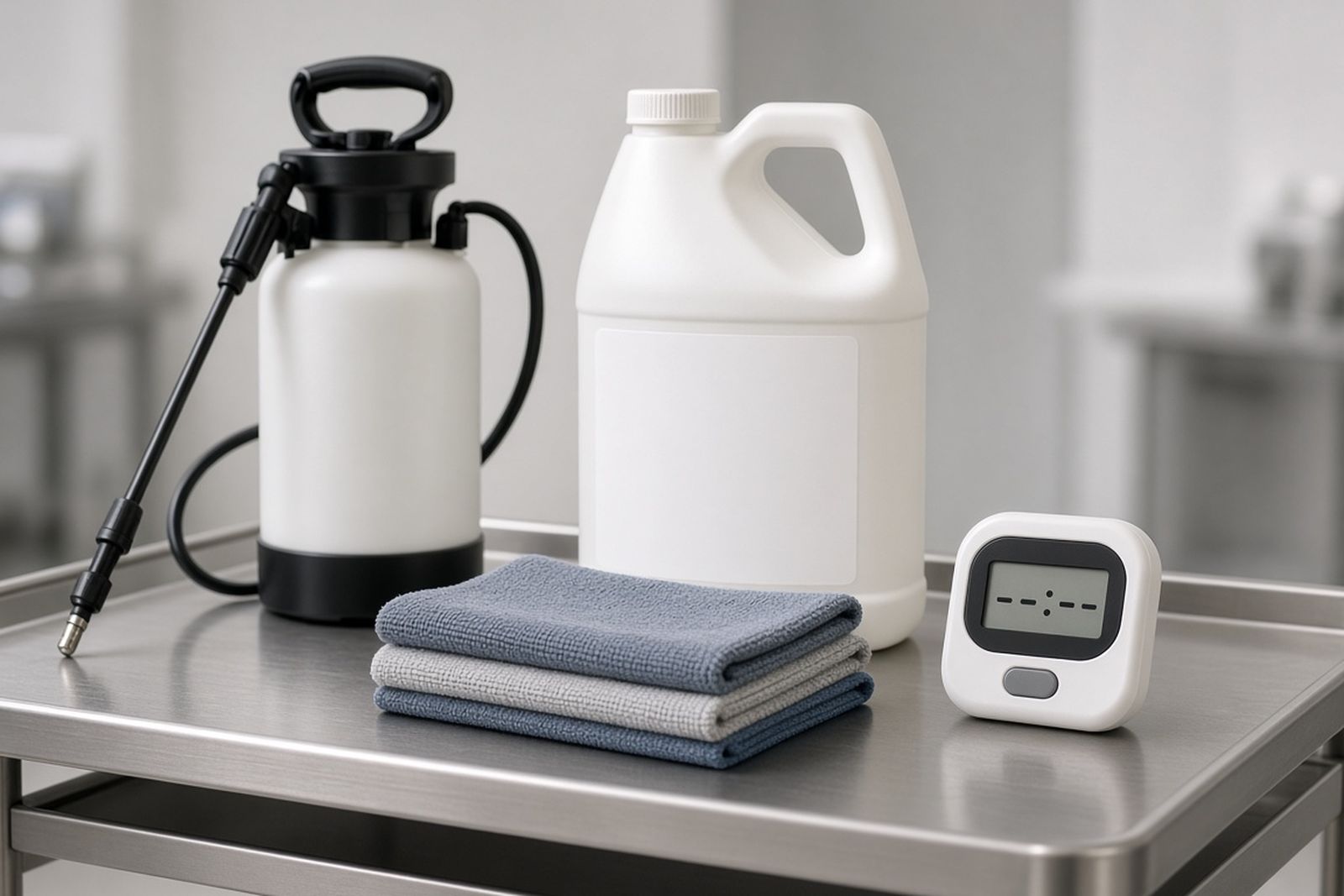
What the field learned is that these tools do not replace cleaning. Dirt and grime shield germs from disinfectant. Spray can miss the undersides and insides of objects people touch often. Many buildings went back to a combined approach. Clean first, wipe high-touch surfaces by hand and use spray tools as an extra.
Whether a product was safe for surfaces became part of that lesson too. Strong products sprayed again and again on gym equipment, classroom electronics and vinyl seats during the pandemic caused problems. Some buildings saw cracking, clouding and sticky residue. Those problems pushed managers to ask companies which products were safe for which surfaces. They also learned to save the strongest chemicals for cases that truly need them.
The same lesson applies to ultraviolet light devices. They can be useful in some settings. But shadows, distance and grime all limit their reach. Professional companies now tend to offer them as add-ons, not as full answers on their own.
Touch mapping and verification
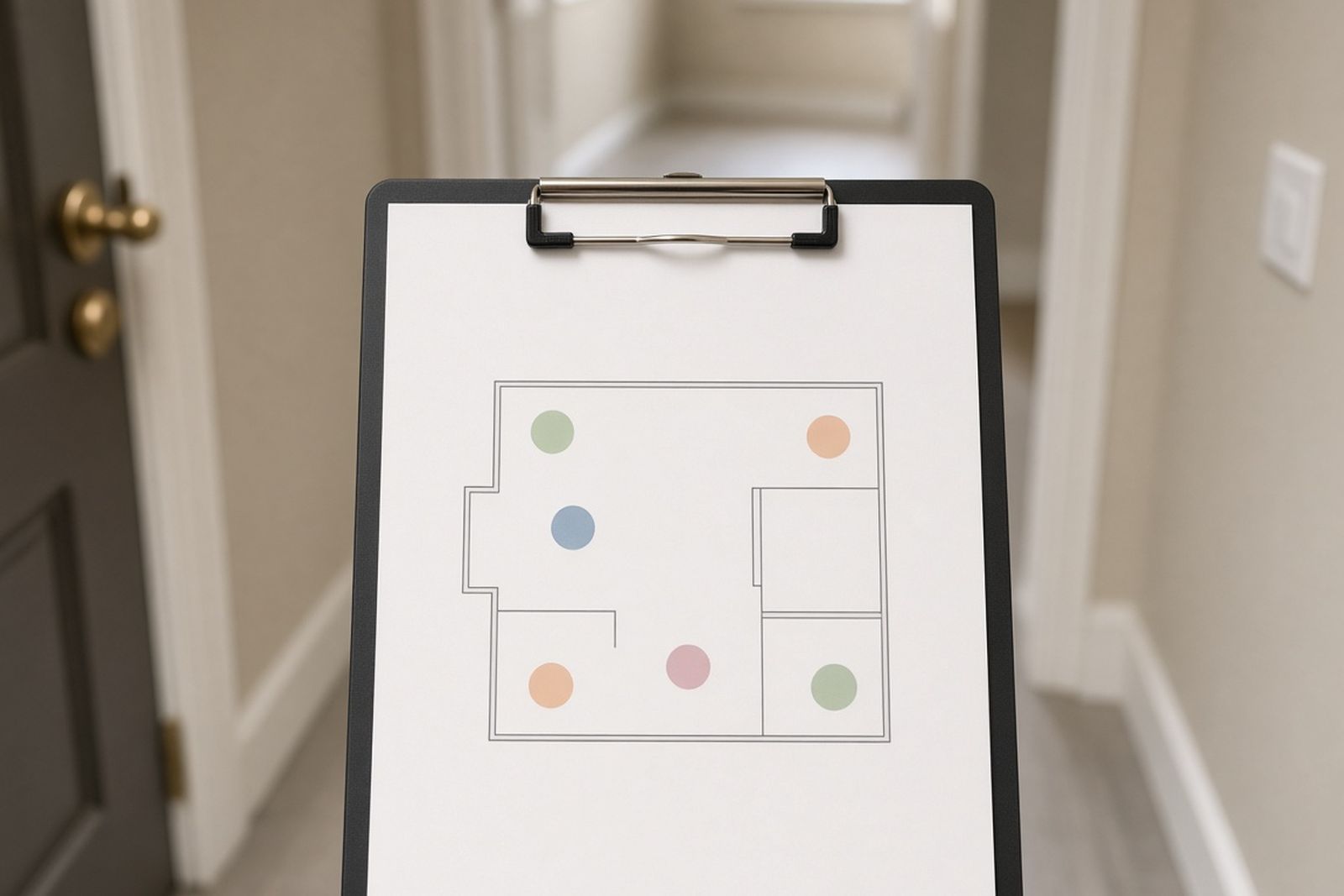
Another change is the habit of finding which surfaces people really touch. Instead of cleaning everything the same, crews map door handles, light switches, railings, faucet handles, shared equipment and other spots touched often. Then they clean those first.
Ways to check the work have grown along with that habit. Some buildings place glowing markers before cleaning to see whether they were removed. Others use a quick swab test that shows leftover organic residue (it does not detect germs). It gives a rough sign of how thorough the cleaning was. Neither is a direct test for germs, but both help find missed surfaces.
Care settings have pushed touch mapping further. Long-term care homes, for example, pay attention to bed rails, call buttons, wheelchair armrests and shared activity supplies. Residents and staff touch these all the time. Gyms focus on grips, benches and locker handles. The idea is the same in every building: follow the hands.
These tools have moved the talk from whether a room was cleaned to how well it was cleaned. That is a more useful question for any outbreak response.
Then and now: a school stomach-illness response
The change is easiest to see in a school facing a wave of stomach illness in a single week. In an older-style response, custodians might mop hallways with their usual product and wipe restroom counters. They might add air freshener. No one would ask whether the product worked against norovirus or whether surfaces stayed wet long enough.
In a modern response, the school calls the health department and closes affected restrooms for a while. It brings in a disinfection company. The company picks a product with a norovirus claim and cleans surfaces before disinfecting. It focuses on restroom fixtures, cafeteria tables and classroom door hardware. It keeps surfaces wet for the label's contact time and uses electrostatic spraying in lower-risk areas. The school gets a report listing products, areas and times. It shares a summary with families.
The modern response takes more planning. But it gives the school a record it can stand behind and a better chance of limiting spread.
Documentation as standard practice
Records used to be a cleaning log on the back of a closet door. Today, building managers more and more expect companies to hand over a final report after an outbreak response.
Those reports usually include the items below. Many buildings keep them as part of an outbreak response file.
Reports have also changed how buildings and companies work together. When each service produces a record that can be compared, managers can review a company's work across several outbreaks. They can notice patterns, such as areas skipped again and again. They can hold contracts to goals they can measure. That was hard to do when the only proof of disinfection was a chemical smell that hung in the air.
- Product names, EPA registration numbers and how they were mixed
- The target germ and the label contact time used
- Areas and surfaces treated, organized by room or zone
- How products were applied, such as wiping, spraying or electrostatic spraying
- Advice given to the building on fresh air and when people can go back in
- Any areas that could not be treated, and why
Where is infectious disease disinfection heading next?
Several trends are likely to shape what comes next. Buildings are paying more attention to indoor air, including fresh air and filters, along with surface work. There is growing interest in products that are less toxic for the people inside and for workers. There is also interest in ways of applying products that cut chemical exposure.
Data is also becoming more important. Buildings that track outbreaks, service dates and check results can see which steps really line up with fewer cases. Then they can adjust their plans.
Last, expectations keep changing at the local level. Health departments, license agencies and school districts may update their outbreak advice as knowledge changes. Check your building's plan against current advice from your local health department or license agency. Do not rely on habits carried over from past emergencies.