Short answer
You can usually disinfect after common illnesses like flu or a single stomach bug yourself by cleaning first, using an EPA-registered product with the right claim, and keeping surfaces wet for the full contact time. Professional disinfection is worth considering for outbreaks, spore-forming organisms like C. difficile, large or shared facilities, heavily soiled spaces, or homes with medically fragile people. Coverage, product choice, and verification are the key differences.
When is DIY disinfection usually enough?
Most households deal with contagious illness several times a year. A child brings home the flu, a partner catches a cold, or someone has a short stomach bug. In those cases, careful cleaning and disinfection by household members is usually enough, especially when combined with handwashing and keeping the sick person apart where possible.
The same is often true for small workplaces after a single employee goes home sick. Focused attention on shared surfaces such as break room counters, door handles, and shared keyboards can reduce the chance of spread.
DIY works best when you know or suspect which illness is involved, when the affected area is limited, and when you have the right products on hand. It is also helpful to have a plan for fabrics and soft furniture, which cannot simply be wiped.
Timing matters. Cleaning high-touch surfaces daily while someone is sick, and doing a more thorough round after they recover, is more effective than a single intense session.
What effective DIY disinfection requires
Effective disinfection follows a simple sequence. Clean first with soap or detergent and water to remove visible dirt and body fluids. Then apply a disinfectant registered by EPA for the organisms you are concerned about. Keep the surface wet for the contact time on the label, then let it air dry or wipe as the label directs.
If you are using household bleach, CDC's 2024 guidance advises mixing 5 tablespoons (1/3 cup) of bleach per gallon of water, leaving it on surfaces at least 1 minute, and making a fresh solution daily because it loses effectiveness after 24 hours. Some organisms, like norovirus, call for stronger concentrations and longer contact, so read the guidance for your situation.
Contact time is where most home efforts fall short. An American Cleaning Institute survey in 2020 found that 26% of Americans were wiping immediately after spraying, which does not give products time to work.
Wear gloves, ventilate the room, and never mix bleach with ammonia or acidic cleaners.
Surfaces people most often miss at home
Most people remember counters and bathroom fixtures. Fewer remember the objects that get touched constantly without much thought. A focused list helps.
Soft items need their own plan. Bedding, towels, and clothing used by the sick person can be washed on the warmest setting the fabric allows and dried completely. Pillows, stuffed animals, and cushions that cannot be laundered may be set aside in a bag until the illness passes, or cleaned with a product labeled for soft surfaces.
- Light switches, door handles, and cabinet pulls
- Phones, tablets, remote controls, and game controllers
- Refrigerator, microwave, and dishwasher handles
- Toilet flush handles, faucet handles, and toilet seat hinges
- Bed rails, nightstands, and lamp switches in the sick room
- Stair railings and grab bars
- Shared computer keyboards and mice
- Car door handles, steering wheels, and seat belt buckles if the sick person was driven somewhere
When should you consider professional disinfection?
Certain situations are harder to handle well without specialized products, equipment, or experience.
Outbreaks are one. If several people in a household, office, school, or care facility become sick in a short period, a professional provider can help reset the environment with thorough coverage while you work with public health guidance on isolation and hygiene.
Spore-forming organisms are another. C. difficile spores resist many common disinfectants, including most quaternary ammonium products and alcohol. A professional will use a sporicidal product and cover surfaces systematically.
Large or complex spaces also benefit from professional help. Gyms, daycares, dental offices, and shared living facilities have many surfaces and users. Homes with someone who is immunocompromised, recently discharged from the hospital, or very frail may also warrant a more thorough approach.
What professionals do differently
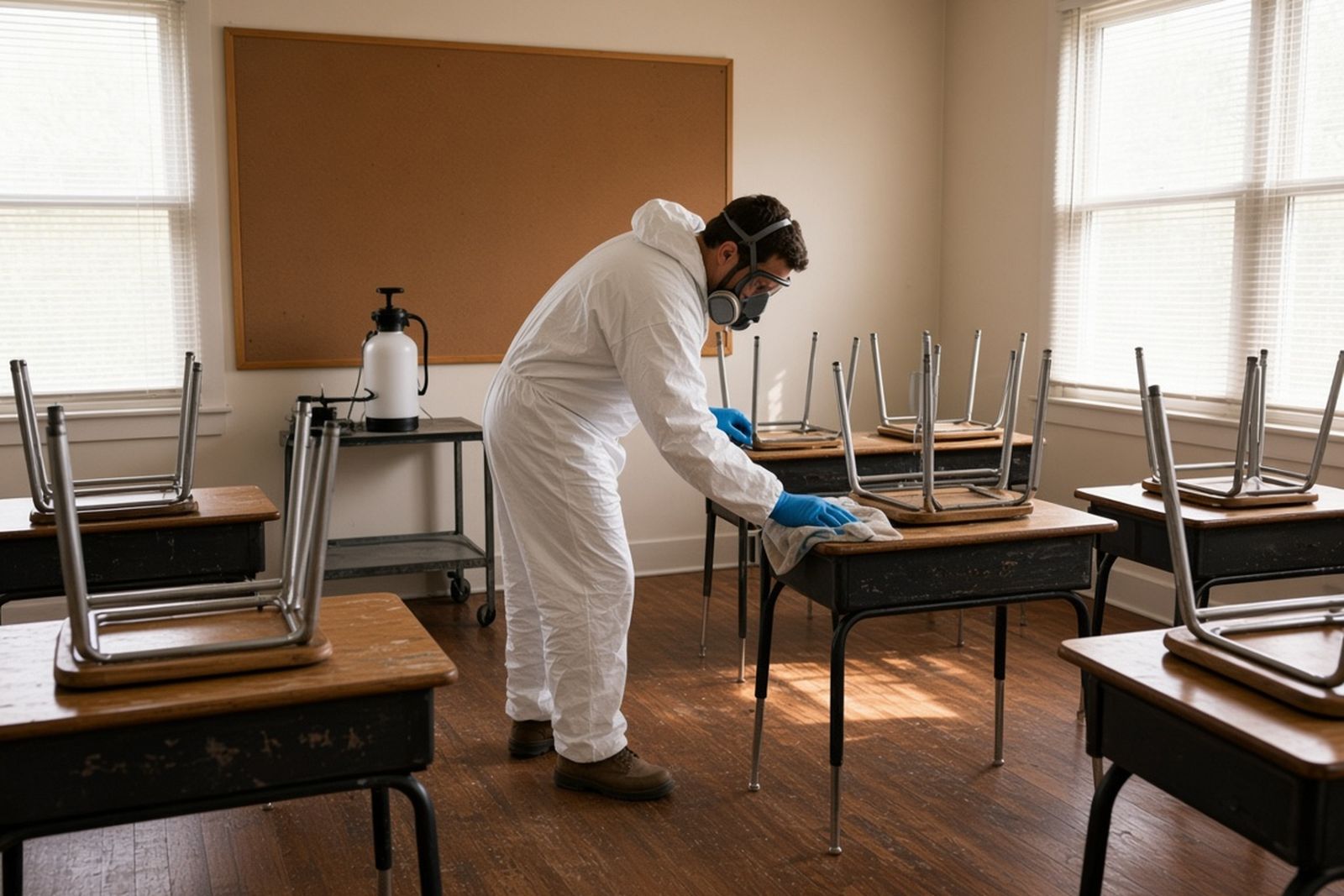
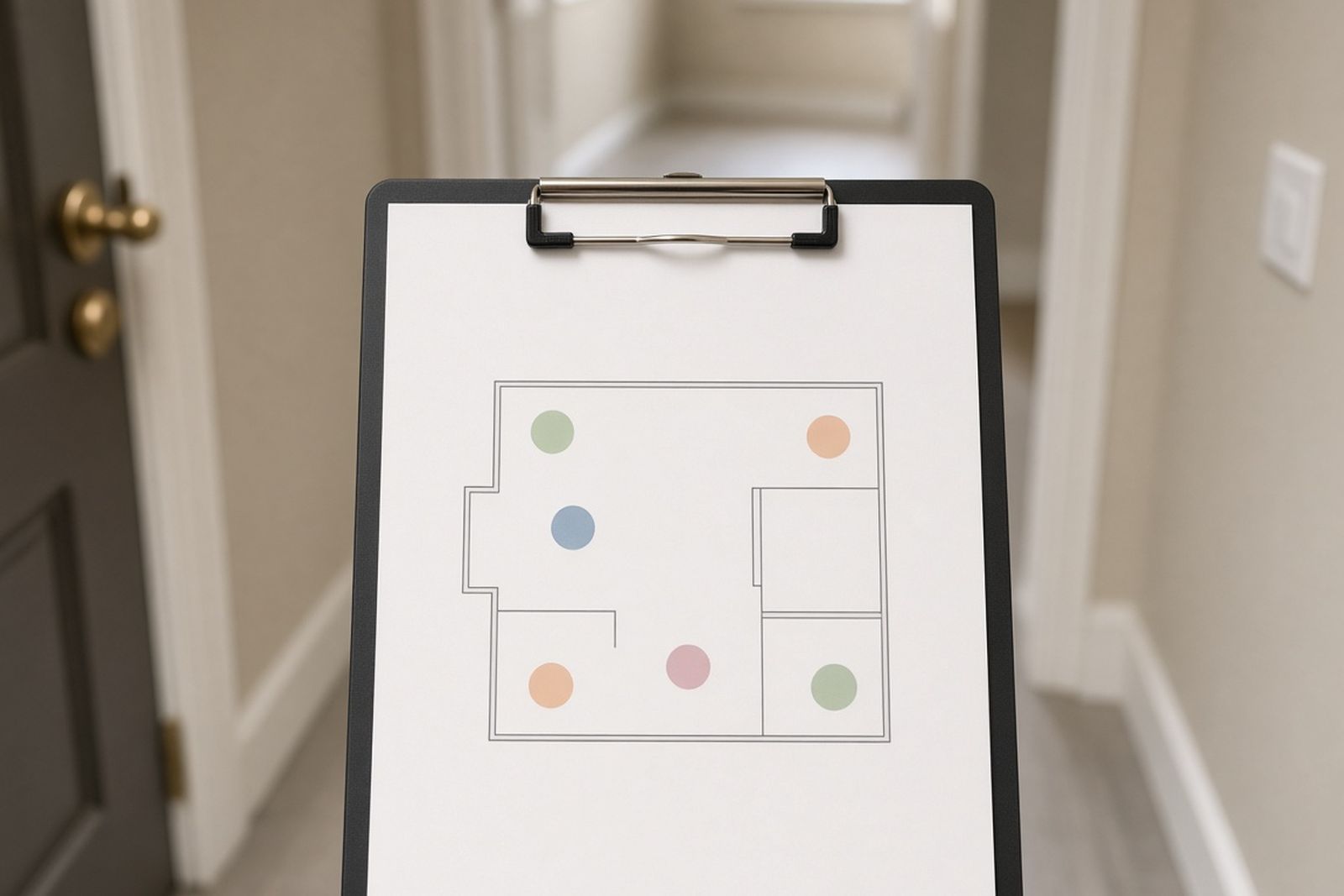
Professional crews usually begin with an assessment. They ask about the illness, the people involved, the spaces used, and what has already been done. They then choose products with specific claims against the likely organism and map surfaces in a systematic order, typically from clean to dirty and from top to bottom.
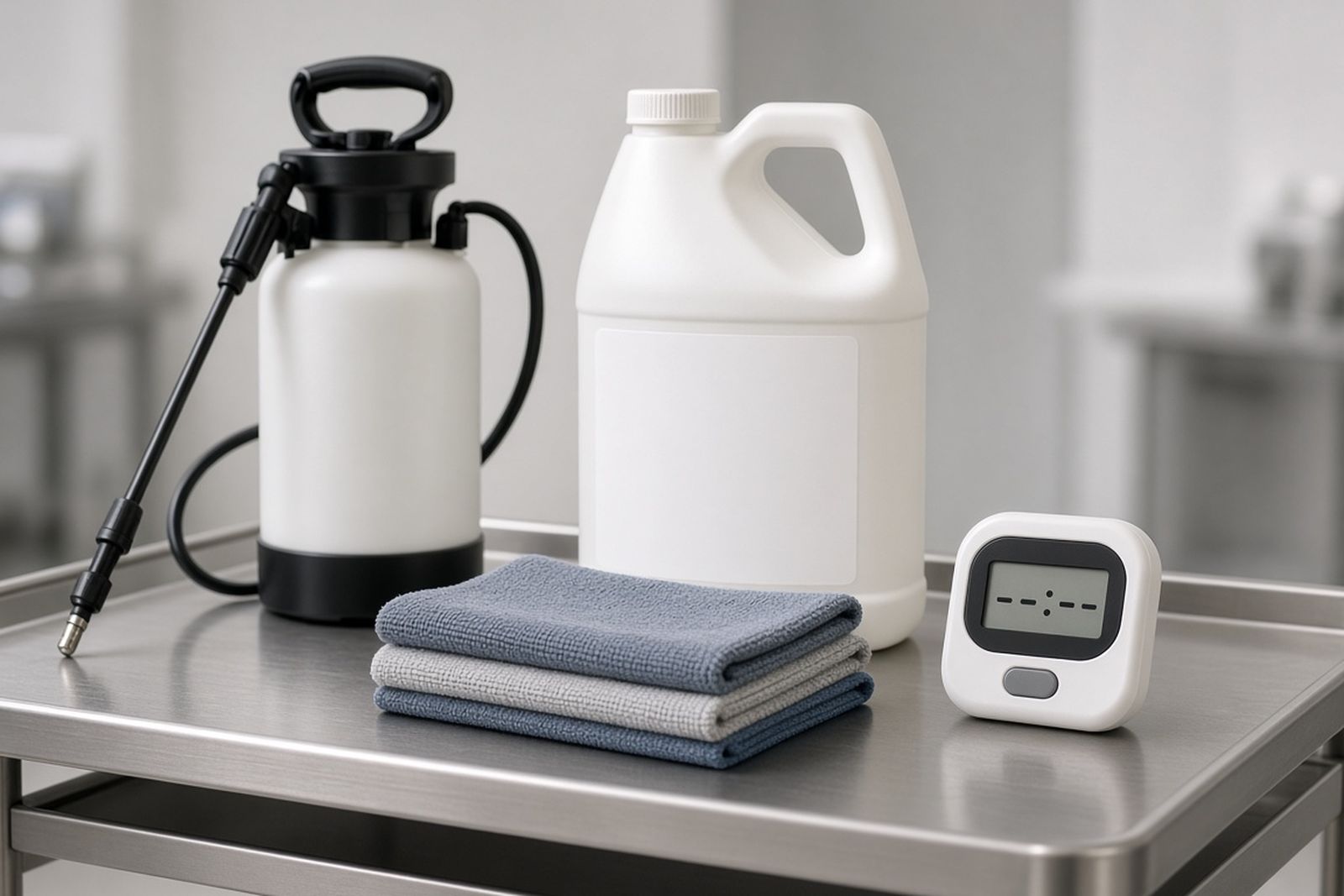
They also bring equipment households rarely have, such as electrostatic sprayers, HEPA vacuums, and color-coded microfiber systems that reduce cross-contamination. They plan for fabrics and soft furnishings and may arrange laundering or replacement.
Many providers document their work, listing the products used, contact times, and areas treated. Some offer ATP testing to measure how well surfaces were cleaned. That documentation can matter for businesses, landlords, and facilities that need to show what was done.
Finally, professionals wear protective equipment suited to the organism and the method, which protects them and prevents them from carrying contamination between rooms.
Good providers also explain their limits. They should tell you plainly that disinfection lowers the number of germs on surfaces at the time of treatment, and that the space can be recontaminated as soon as someone who is still shedding the organism uses it again. A provider who promises a germ-free home for weeks is overselling.
The risk of doing more than you need
More disinfection is not always better. Overusing strong chemicals, especially in sprays and foggers, can irritate eyes, skin, and airways. The people doing the spraying often underestimate that risk, whether they are household members or paid staff.
At home, use products as directed and ventilate while you work. People with asthma or other breathing conditions may want someone else to handle disinfection or to use products with lower respiratory hazards.
Be cautious with foggers and bombs sold for home use. They add chemicals to the air, may not meet contact times on surfaces, and do not replace cleaning.
If you hire a provider, ask about ventilation and re-entry times, particularly if children, pets, or people with respiratory conditions will return to the space soon.
Surfaces can suffer as well. Repeated use of strong products can dull finishes, weaken plastics, and damage electronics. Choose a product that suits the surface, and check device manufacturers' cleaning instructions for phones, tablets, and medical equipment used at home.
Example: MRSA at home after a hospital stay
In one illustrative situation, an older man returns home after surgery with a wound infected with MRSA. His wife wants to protect herself and their grandchildren, who visit often. She asks whether she should hire a professional or handle disinfection herself.
After talking with his care team, she decides to handle routine cleaning herself with a registered product that lists MRSA on its label. She focuses on the bathroom, the bedroom, the handles and switches he touches most, and his recliner, which she covers with a washable throw that she launders frequently. She keeps his towels and bedding separate and washes them on hot.
When his wound heals and his doctors clear him, she schedules a one-time professional clean of the bedroom and bathroom, including the recliner and carpet, to reset the space before the grandchildren's next long visit. The provider documents the products used and the areas treated.
The approach combines daily DIY care with a professional deep clean at the point where it adds the most value.
Cost, coverage, and your next step
DIY disinfection costs little beyond supplies and time. It is flexible, immediate, and effective for most everyday illnesses when done carefully. Its weaknesses are inconsistent product choice, missed contact times, overlooked surfaces, and limited ability to handle soft furnishings or large spaces.
Professional disinfection costs more but brings systematic coverage, organism-specific products, equipment for large or complex spaces, protective equipment, and documentation. It is most valuable during outbreaks, for resistant or spore-forming organisms, and for spaces used by many people or by medically vulnerable individuals.
For many situations, a combination works best: DIY for ongoing daily care and a professional clean at key moments, such as after an outbreak ends or before a vulnerable person returns home.
Start by identifying the illness if you can and checking whether your disinfectant's label covers it. If it does not, buy one that does. Clean before disinfecting, follow contact times, and give extra attention to high-touch surfaces and shared items.
If you are managing a facility or dealing with an outbreak, contact your local health department for guidance and consider bringing in a provider. Ask any provider about products, methods, contact times, re-entry, and documentation before you hire them.
Above all, remember that surfaces are only one route of spread. Handwashing, covering coughs, staying home while sick, and keeping a sick person's belongings separate do much of the work that no product can do alone.
If you run a childcare, school, healthcare, food service, or residential care setting, call your licensing agency or county health department before settling on a DIY approach, since those settings often carry their own cleaning and reporting requirements.