Short answer
An infectious illness in your home or workplace can bring anxiety about catching or spreading it, guilt, stigma, loneliness during isolation, and sometimes grief. These reactions are common. Helpful steps include getting clear information from a doctor or health department, limiting compulsive cleaning, staying connected while apart, and reaching out to counselors or support groups. In a crisis, call or text 988.
Why an infectious illness at home feels so frightening
Germs are invisible. When someone in your household has norovirus, influenza, COVID, a resistant infection, or another contagious illness, you cannot see where the risk is. That uncertainty can make ordinary objects, like a doorknob or a kitchen towel, suddenly feel threatening.
Many people also carry memories of the COVID pandemic, when advice changed quickly and fear was widespread. A new illness in the home can bring those feelings back, even if the current situation is far less serious.
Anxiety in this situation is understandable. It is your mind trying to protect you and the people you love. The goal is not to eliminate worry entirely, but to keep it proportionate so it helps you take sensible steps without taking over your days.
Managing fear of catching or spreading it
Clear information is one of the best remedies for fear. Ask the sick person's doctor or your local health department how the illness spreads, how long someone is contagious, and what precautions make sense for your household. Specific answers are usually more reassuring than general worry.
Focus your energy on the steps that matter most. For many illnesses, that means handwashing, keeping the sick person's items separate, cleaning and then disinfecting high-touch surfaces with a product whose label lists the organism, and giving the sick person their own bathroom if possible. Doing those things well is more protective than doing everything anxiously.
Write down your plan. A short list of what you will clean, when, and with what product can help quiet the sense that you are forgetting something.
Be careful with news and social media. Scrolling through alarming stories about the same illness can amplify fear without giving you anything useful to do. Set a limit, and rely on your doctor and public health agencies for guidance that fits your situation.
When does cleaning become a source of anxiety instead of relief?
Some people find that cleaning calms them for a moment but then the urge returns, stronger. They may wipe the same surface repeatedly, feel unable to stop until everything feels perfectly safe, or avoid rooms entirely. Over time, this can exhaust you and strain relationships.
Signs that anxiety is driving the cleaning include spending hours a day on it, feeling intense distress if you cannot clean, cleaning beyond what a doctor or health department has recommended, or continuing heavy cleaning long after the illness has passed.
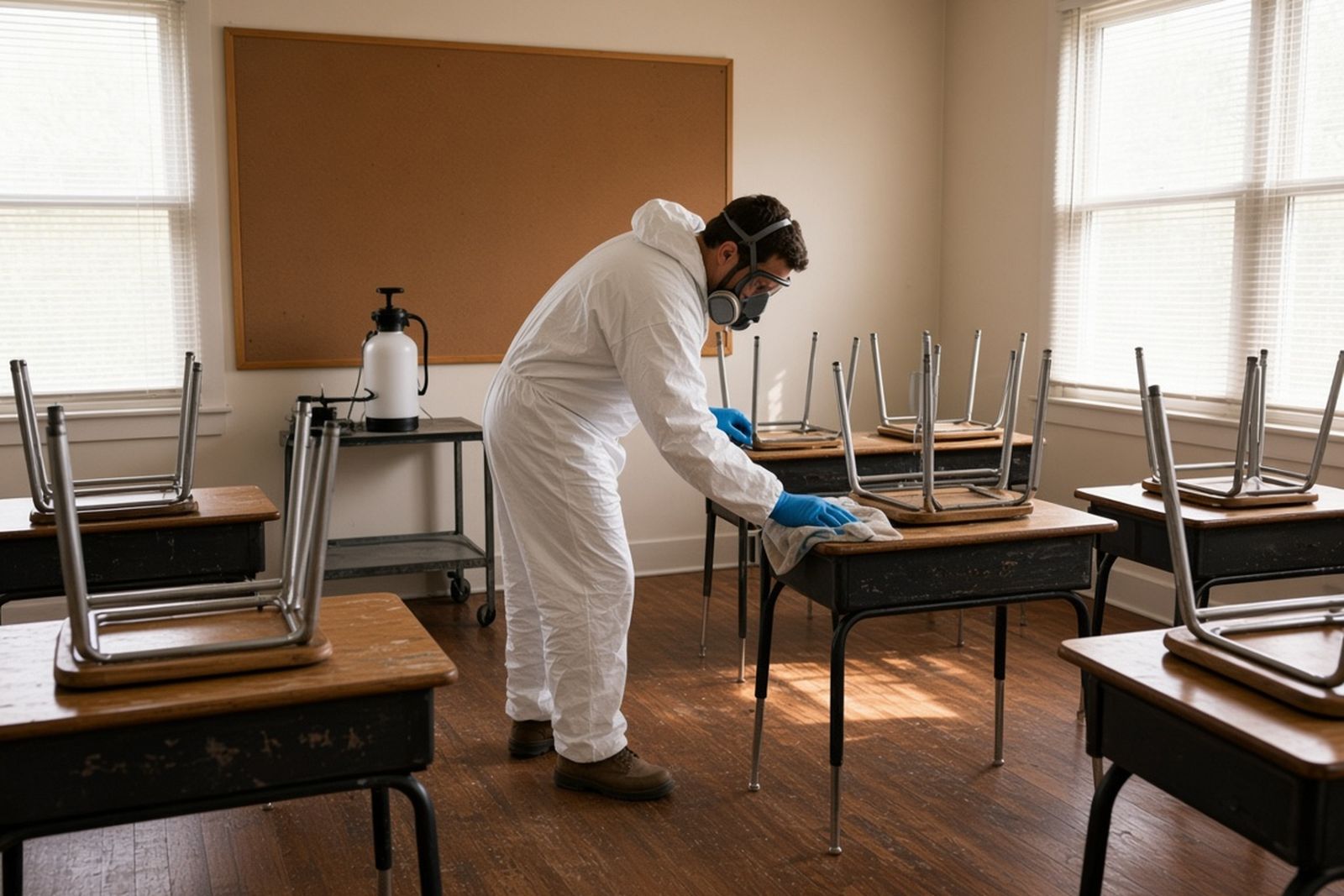
If this sounds familiar, you are not alone, and help is effective. A doctor or licensed therapist can assess whether anxiety or obsessive-compulsive symptoms are involved and offer treatment. Hiring a professional disinfection provider for a one-time, documented treatment can also help some people let go, because they have a clear endpoint and a record of what was done.
Coping with guilt if you brought the illness home
Parents, healthcare workers, teachers, and essential workers often worry that they carried an illness home to a vulnerable family member. If that person becomes seriously ill, the guilt can be heavy.
It helps to remember that contagious illnesses spread through ordinary life, often before anyone has symptoms. Catching and sharing an infection is not a moral failure. Most people did the best they could with what they knew at the time.
Talk about the guilt rather than carrying it alone. A counselor, a faith leader, or a trusted friend can help you put it in perspective. If the guilt is persistent or tied to a loss, grief counseling can help.
Stigma and privacy
Some illnesses carry stigma, whether because of how they spread, fears about contagion, or misinformation. People may avoid you, gossip, or ask intrusive questions. That can add a layer of isolation to an already stressful time.
You have the right to keep medical details private. You can tell people what they need to know to protect themselves, such as that someone in your home has a contagious illness and you are taking precautions, without sharing a diagnosis. If a disinfection provider comes to your home, you can ask them to use an unmarked vehicle and keep details confidential.
In workplaces and schools, health information should be handled carefully. If you feel you are being treated unfairly because of an illness, you can ask human resources, a school administrator, or a legal adviser about your rights.
Helping children handle questions at school
Children may face stigma too, for example if classmates learn a sibling was sick. Let the school know only what it needs to protect other students, and give your child a simple phrase to use if asked, such as saying their family is taking care of it and following the doctor's advice.
When protection starts to strain the household
Protective routines can drift well past what an illness requires. Disinfecting the kitchen and bathroom several times a day, keeping a healthy sibling completely apart from a recovering one, and losing sleep over it are common patterns, especially when another family member has a condition such as asthma. Children notice. A sibling may feel punished, and the person recovering may start to feel like a hazard in their own home.
A practical reset often helps. Ask the doctor for a specific list of precautions and write it down. If it would ease your mind, schedule a one-time professional disinfection of the sick person's room and bathroom and keep the report. Then scale daily cleaning back to what was recommended.
Look for safe ways to be together, such as watching a movie at a comfortable distance, and consider a few sessions with a counselor, perhaps through an employee assistance program, to talk through the fear itself.
Grief after a death from an infectious disease
When a loved one dies from an infectious illness, grief can become tangled with fear and practical questions. You may need to arrange cleaning of their room or home before others can use it, sort their belongings, and decide what to keep. Those tasks can feel impossible while you are grieving.
It is fine to ask others to handle the physical work. A professional provider can disinfect the space, and a trusted friend or relative can help sort belongings later, when you are ready. Items with sentimental value, such as photos, jewelry, or letters, can often be cleaned or set aside safely.
Grief support groups, hospice bereavement programs, faith communities, and grief counselors can help. Grief does not follow a schedule, and it is normal for waves of sadness to return for months or longer.
When the home itself feels unsafe
Some people also feel a lingering unease about the home itself, as though the illness is still present in the rooms where their loved one was sick. A documented professional disinfection can help with that feeling, and so can small changes, such as rearranging furniture or repainting a room when you are ready.
How can you stay connected while someone is isolating?
Isolation protects others, but it can be lonely for the person who is sick and stressful for caregivers. Small steps help keep people connected.
Caregivers need connection as well. Looking after a sick person while worrying about catching the illness can leave you drained and short-tempered. Ask a friend to drop off a meal, schedule a regular phone call with someone outside the house, or take a short walk each day. Brief breaks are not selfish; they help you keep going.
- Use video calls, texts, or a baby monitor to check in between rooms.
- Leave notes, drawings, or favorite snacks outside the door.
- Watch the same show at the same time in different rooms and talk about it.
- Plan a small celebration for when isolation ends.
- Give children simple, honest explanations about why someone needs space.
Where can you turn for support right now?
If you or someone you know is in crisis or having thoughts of suicide, call or text 988 to reach the 988 Suicide and Crisis Lifeline, which is free, confidential, and available at any hour. If there is immediate danger to life, contact emergency services by dialing 911.
For ongoing support, talk with your doctor, a licensed counselor or therapist, your employer's employee assistance program, or a local community mental health center. Healthcare workers and others exposed to illness through their jobs may also have peer support programs through their employer or professional association. Asking for help early often makes recovery easier.
Isolation rules, school return policies, and workplace notification requirements can also add stress when they are unclear. Call your county health department for the official answer rather than relying on what neighbors or social media say. Having the official answer in hand removes one source of worry.