South · US

Infectious Disease Disinfection Planning in Miami, FL

Planning infectious disease disinfection in Miami, FL

Miami condo disinfection planning. Covers wet times in humid air, EPA labels, List N limits, cleaning before disinfecting, and CDC community guidance. This is planning guidance, not a claim of a local office or crew in Miami.

Get an email reply about infectious disease disinfection

Send a short message to the follow-up inbox. A coordinator can reply by email. This form does not send emergency help; call 911 first if anyone is in danger.

Tell us what you need help with. Share a short description; please leave out medical details, access codes, and other sensitive information.

A request does not confirm a booking. For immediate danger, contact local emergency services.

Or email info@prompartybuses.com

Direct answer

The short answer for Miami, FL

Brickell lobbies in salt air, bedrooms behind hurricane shutters, and pool decks run by thunderstorm timing need subtropical records. Protect the label's wet time when surfaces dry slowly. Keep List N inside its COVID-19 limits. Refuse sterile-condo badges after cabana scent machines.

Editorial guide · Biohazard Remediation NetworkUpdated 2026-07-22Location focus: Miami, FL

Local planning context

Miami's coastal towers face climate problems Mid-Atlantic offices don't. Salt film builds up on garage keypads. Afternoon thunderstorms upend amenity schedules. Hurricane shutters trap chemical smells for hours. After an illness, do elevator banks, package lockers, and pool-deck shower valves before fogging an unused balcony. The Florida Department of Health in Miami-Dade can support factual tenant notices. It doesn't turn a cabana into a sterile clinic.

Humidity keeps disinfectant wet longer. That helps with contact time, but it also tempts staff to wipe surfaces dry early when guests want the deck. Tourist turnover adds pressure for quick linen changes, which are still not sterilization. A slip on a wet Brickell deck can leave blood. The crew who mops it follows OSHA's bloodborne rules.

Street-level clinics in Brickell towers share elevators with apartments. Instrument-cleaning language belongs to the Brickell clinic's own program. Don't suggest a residential floor was sterilized because a clinic wiped its exam rooms.

Property considerations

Start with salt-weathered garage keypads, elevator call buttons, and pool-deck shower valves.

Clean salt film off outdoor-facing hardware with detergent before any disinfectant goes on.

Close cabana and shower amenities through the full labeled wet time.

A condo kitchen counter may need a rinse after disinfecting; pool-deck showers do not.

Plan airing-out with shutters closed so people return on the SDS timing after storms.

Decide whether cabana cushions get washed or removed before any product goes on.

Response-planning framework

Do salt-air touch points before balcony decor

Trace hands from the garage keypad through the lobby, elevator, unit, and pool deck. Mark where the mess centered, such as restrooms used during vomiting. Say clearly which amenities are included, so no one assumes untreated balconies are done.

Pick germ claims that fit what's going around

Note whether the report sounds like a stomach bug or a cold or flu, without naming or diagnosing anyone. Pick products labeled for it. Don't buy scent machines sold as a way to sterilize pool decks or cabanas.

Hold the wet time despite thunderstorm pressure

Pool showers and tower halls stay off-limits until both clocks run out. Humidity may slow drying. Don't wipe surfaces early to beat a break in the storms. Air out as the SDS directs when the shutters open.

A Miami-Dade board packet with climate notes

A residue swab, if used, only checks for grime. Board notices should list the closed pool deck, gym, or lockers and when they reopen. They should never name a resident.

Documentation checklist

  1. 1List of salt-air hardware and pool-deck showers
  2. 2Illness pattern as the board or resident described it, without names or unit numbers
  3. 3EPA registration numbers and germ claims
  4. 4Proof of detergent cleaning first, including salt film removal
  5. 5Timed wet-period logs in humid conditions
  6. 6Shutter and fresh-air notes tied to the SDS return time
  7. 7Decisions to wash or remove cabana cushions
  8. 8Tenant notices with no personal health details

Official resources

Questions for this location

Why does subtropical humidity change how boards should schedule amenity disinfection?

Humidity can help keep surfaces wet for the labeled contact time. But it also traps smells under shutters. It tempts staff to wipe surfaces dry so guests can use the showers between storms. Keep the full wet time. Air out as the SDS directs when the shutters open, and post one reopening time. Hurricane season or tourist season, List N still only covers COVID-19. Soft cabana items still need washing or removal. Hard-surface germ claims don't cover them.
Should salt film on garage keypads be washed before disinfectant?

Yes. CDC community guidance stresses removing grime and residue before disinfecting, because film can shield germs. Clean salt-weathered hardware with detergent. Then apply an EPA-registered product with the right germ claim and keep it wet for the full labeled time. Skipping detergent to save time is a common mistake in coastal towers.

Can a Brickell deck reopen between storms if it was treated at lunch?

A break in the thunderstorms isn't enough on its own. The loungers and rails must have been washed, treated, and left untouched for the label's full timing. A quick spray while guests keep using the shower valves fails. Block the amenity on the calendar. File the EPA numbers and wet times. Don't tell residents the deck was sterilized.

Someone in our Miami condo had COVID-19. Which products should we use?

List N is EPA's COVID-19 list. It goes no further than that. Check the EPA number. Follow the label's contact time and surface directions, especially on metal exposed to salt. List N doesn't cover every stomach bug that may move through a busy tower later. Use the product with detergent cleaning, an empty unit during the wet time, and fresh air once the shutters are open. Doctors and Miami-Dade's state health office handle the medical side.

What verification packet fits a Miami-Dade condo board file?

A board file should hold the products and labels and which decks, garage keypads, and lockers were treated. Log scrub steps and every timer. Photos help. A swab speaks to film, never germs. Salt air, crowds, and time bring germs back, so a germ-free tower certificate means nothing. Keep residents' names and health out of it. Wider health questions can go to the Florida Department of Health in Miami-Dade.

How should a Miami condo resident clean after an illness while hurricane shutters are closed?

With the shutters down, you can't air out the unit. Choose low-odor products and avoid foggers and heavy aerosol sprays. Apply disinfectant with a cloth or wipe to handles, taps, and counters, following the contact time. Run the air conditioning and bathroom fan. If the storm has cut power, focus on handwashing and keep soiled items bagged until you can clean properly. Save any big cleanup until you can safely open windows.

What should a Miami short-term rental host do after a guest's illness during tourist season?

Block the next night if you need more time to clean properly. Strip all linens and wash them hot. Clean the bathrooms and kitchen with detergent. Then disinfect handles, remotes, balcony door handles, and the thermostat. Salt air can leave film on outdoor furniture, so wash balcony surfaces before disinfecting. Keep the unit closed until the product's return time passes. Don't mention the illness in the listing or reviews.

Contact

Get help by email

Send a short message for an email reply about infectious disease disinfection planning questions for the Miami area.

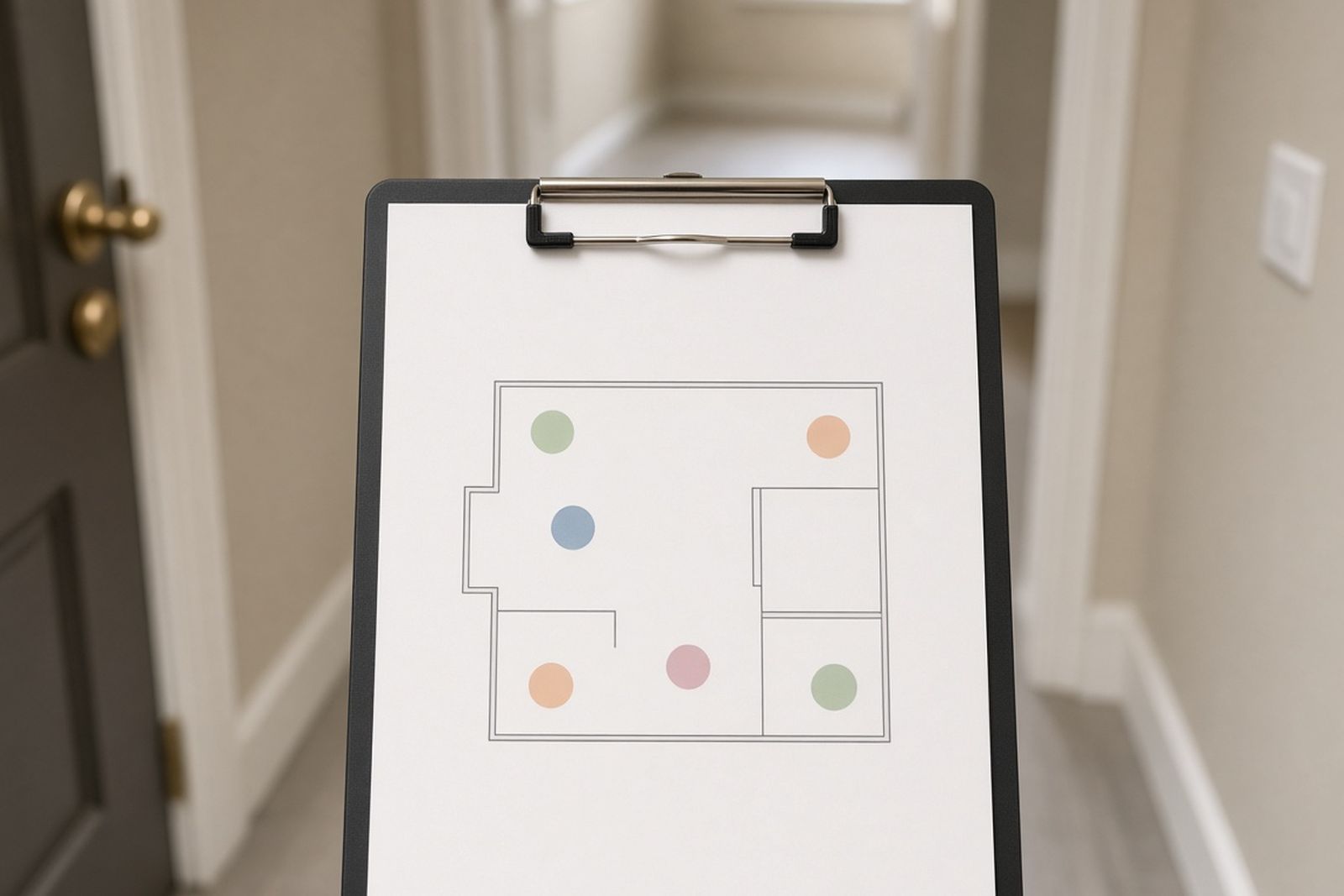
Clipboard showing a room plan with color-coded dots marking high-touch surfaces
Illustrative photo, not a job record. Clipboard showing a room plan with color-coded dots marking high-touch surfaces.
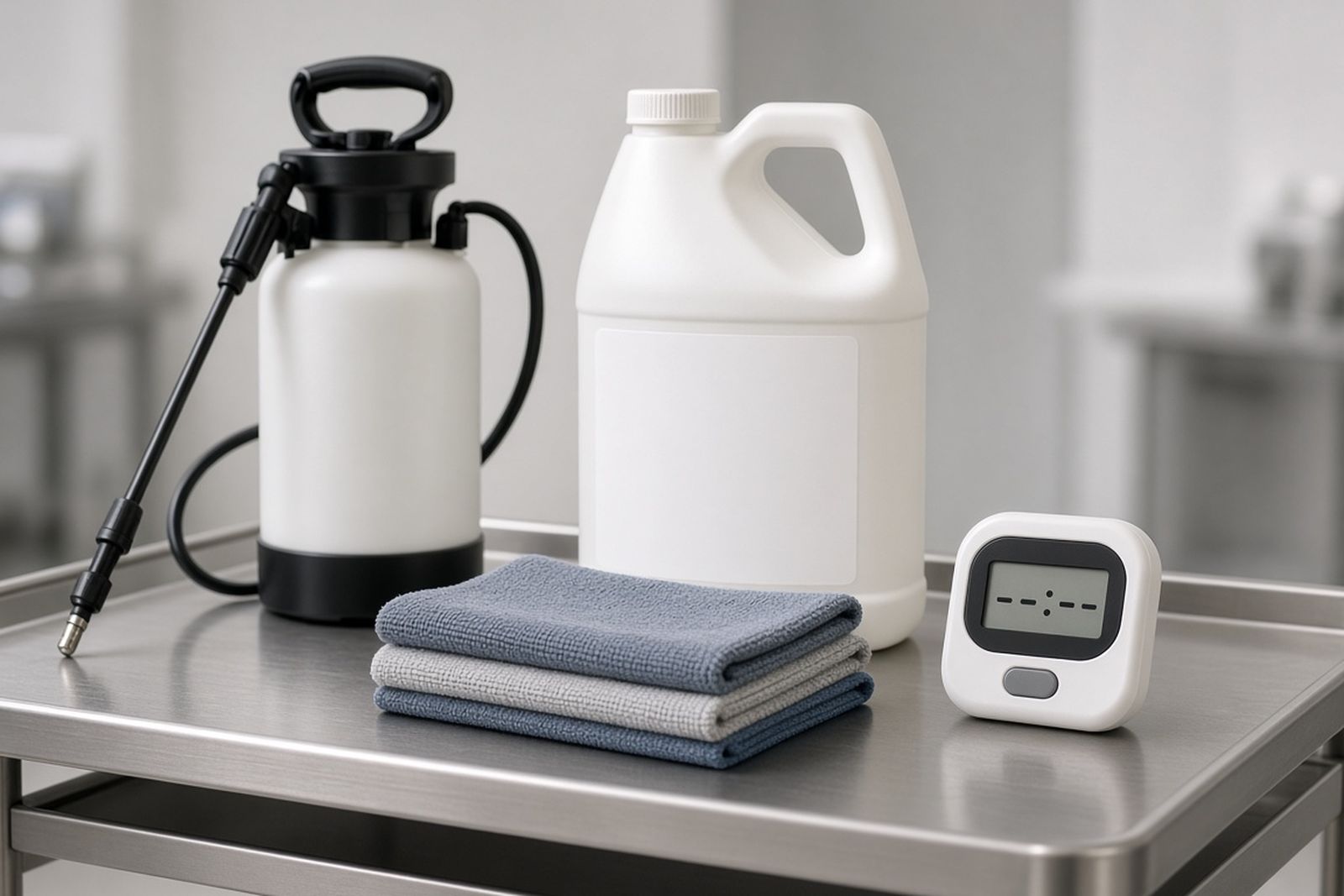
Pump sprayer, disinfectant jug, folded cloths and a contact-time timer on a steel cart
Illustrative photo, not a job record. Pump sprayer, disinfectant jug, folded cloths and a contact-time timer on a steel cart.

Infectious Disease Disinfection figures to keep in mind

National and research figures, not Miami data. Local conditions, rules and providers vary; use these for scale and context only.

4,000+

Under FIFRA, a disinfectant must be registered with EPA before it can be sold or distributed in the U.S.; more than 4,000 antimicrobial products are currently registered.

Read with care: Registration means EPA reviewed efficacy and safety data for label claims, not that any product works on every pathogen.

Source: EPA (2025)United States, federal pesticide regulation

500+

EPA's List N of disinfectants approved for use against SARS-CoV-2 grew from 85 products in March 2020 to more than 500 by October 2020.

Read with care: Product count has changed since 2020; List N inclusion is not an EPA endorsement.

Source: EPA (2020)United States, EPA-registered products, as of October 21, 2020

48 hours

CDC school guidance states most studies show flu virus can live and potentially infect a person for up to 48 hours after being deposited on a surface.

Read with care: Archived CDC page; survival depends on surface type, humidity and temperature.

Source: CDC (2019)General guidance for schools, United States

These figures are public research and agency data, not this network's own job records. Keep each number with its population, year and limits; none of them predicts cost, timing or outcome at a specific property.

Plan before you reach out

Use the first 24 hours planner for immediate steps and the provider vetting checklist to confirm any Miami provider's training, insurance and waste path in writing.

What research has found

Findings from published studies of people and properties in situations like this one. They describe what researchers observed in a specific group; they are not predictions for your case.

Used wipes retained spores during and after wiping.
Who was studied: Non-sporicidal-claim wipes tested on Formica with C. difficile spores.Limits: Not a comparison of all sporicidal products; physical removal is not complete inactivation.Disinfectant wipes transfer Clostridioides difficile spores during the disinfection proc… (2020)
All tested formulations contained agents capable of environmental stress cracking.
Who was studied: Eight wipe formulations tested on healthcare plastics under fixed strain for seven days.Limits: Accelerated test conditions; not a failure rate for installed equipment.Chemical resistance testing of plastics: compatibility of detergent and disinfectant pro… (2024)

Infectious Disease Disinfection community polls

Poll results

Every count is a real visitor vote; nothing is seeded or padded. One vote per poll per device, and you can change your answer.

Your experience

When your facility had an illness cluster, how did you handle cleaning?

No visitor votes yet
Process

How did you decide whether to close all or part of the facility?

No visitor votes yet

Planning cleanup in Miami?

Send a short message about the property to the follow-up inbox. A coordinator can reply by email with next steps.

Your request is sent to the follow-up inbox. A coordinator can reply by email.

If anyone is hurt or in danger, call 911 first.