Our caretaker was sick in the cottage. Do we need to treat the barn too?
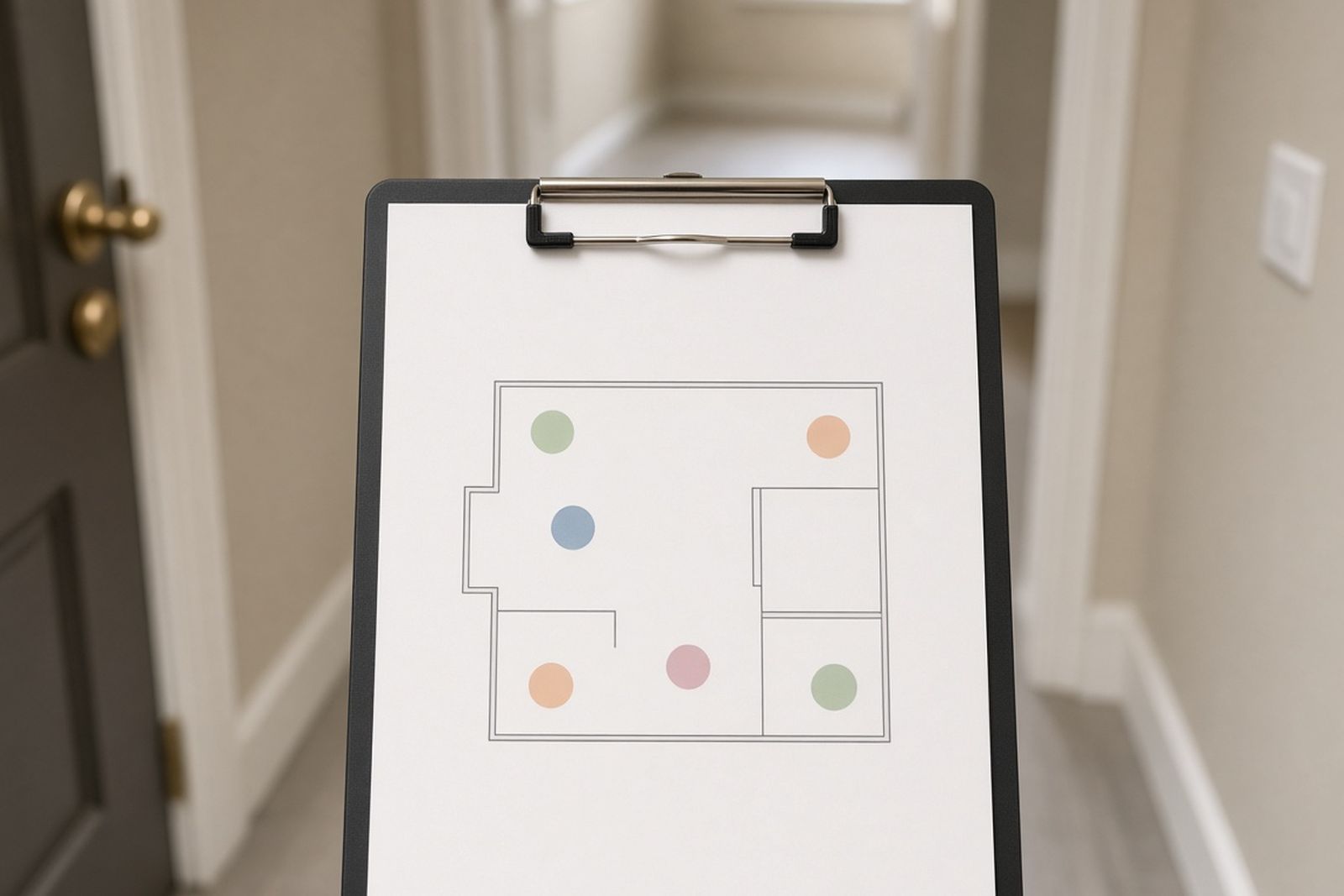
Not unless the sick caretaker, or someone caring for them, went there. Think about where they actually went while contagious. That may be the cottage, the laundry room, and maybe the pantry door or lane gate. If they fed horses or used the tack room, include the tack-room door, switches, and sink. If the barn was untouched, write that down. Treating buildings no one entered adds chemical exposure without lowering risk.
Does EPA List N mean a private-lane compound is free of every pathogen after one treatment?
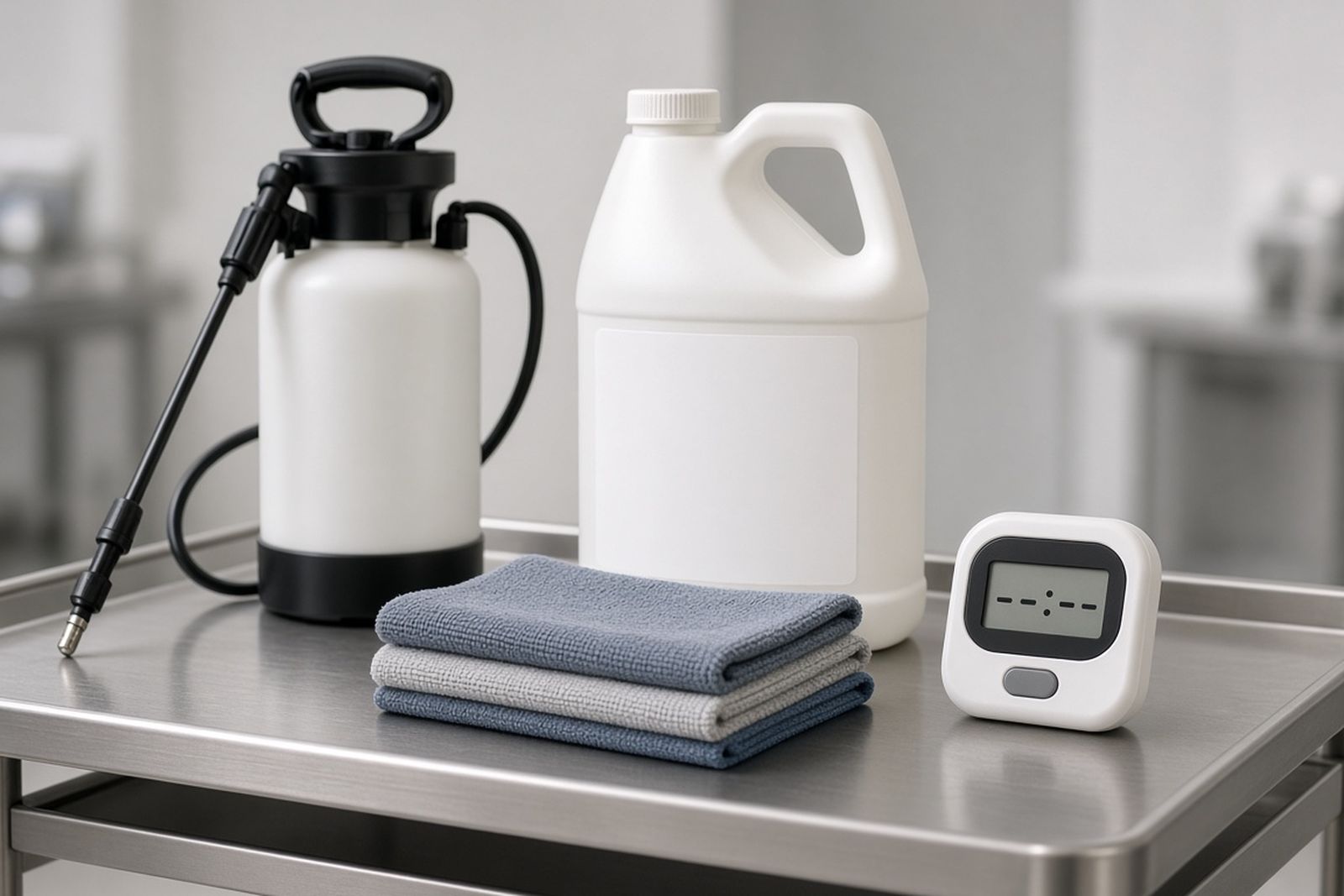
No. For a Weston property with several buildings, List N only names products EPA has listed for the COVID-19 virus, used as the label directs. It doesn't cover norovirus, C. diff spores, or other winter illnesses. The right bottle still helps only on what it touched. It doesn't clear the air, the upholstery, or the people. Write down what was treated in each building and what wasn't.
What should we tell grooms and landscape crews about the cleanup without singling anyone out?
Tell them which buildings are closed, how long the product must stay in place, and when they can go back in. Say nothing about who was sick or why. If a groom or crew member asks about their own health, suggest they talk to their doctor or the Weston Board of Health. Keep the tone practical and short, and give everyone the same message.
What verification is realistic after multi-building disinfection?
Keep a folder for each building. Include products and labels, surfaces treated, cleaning steps, wet times, reopening times, and what was done with blankets and cushions. A residue swab on a barn sink or pantry handle can flag leftover grime. It can't certify that anything is sterile. Reject paperwork promising the property is germ-free. Note buildings left untreated so no one assumes they were done.
When does a Weston cottage cleanup call for bloodborne pathogens precautions?
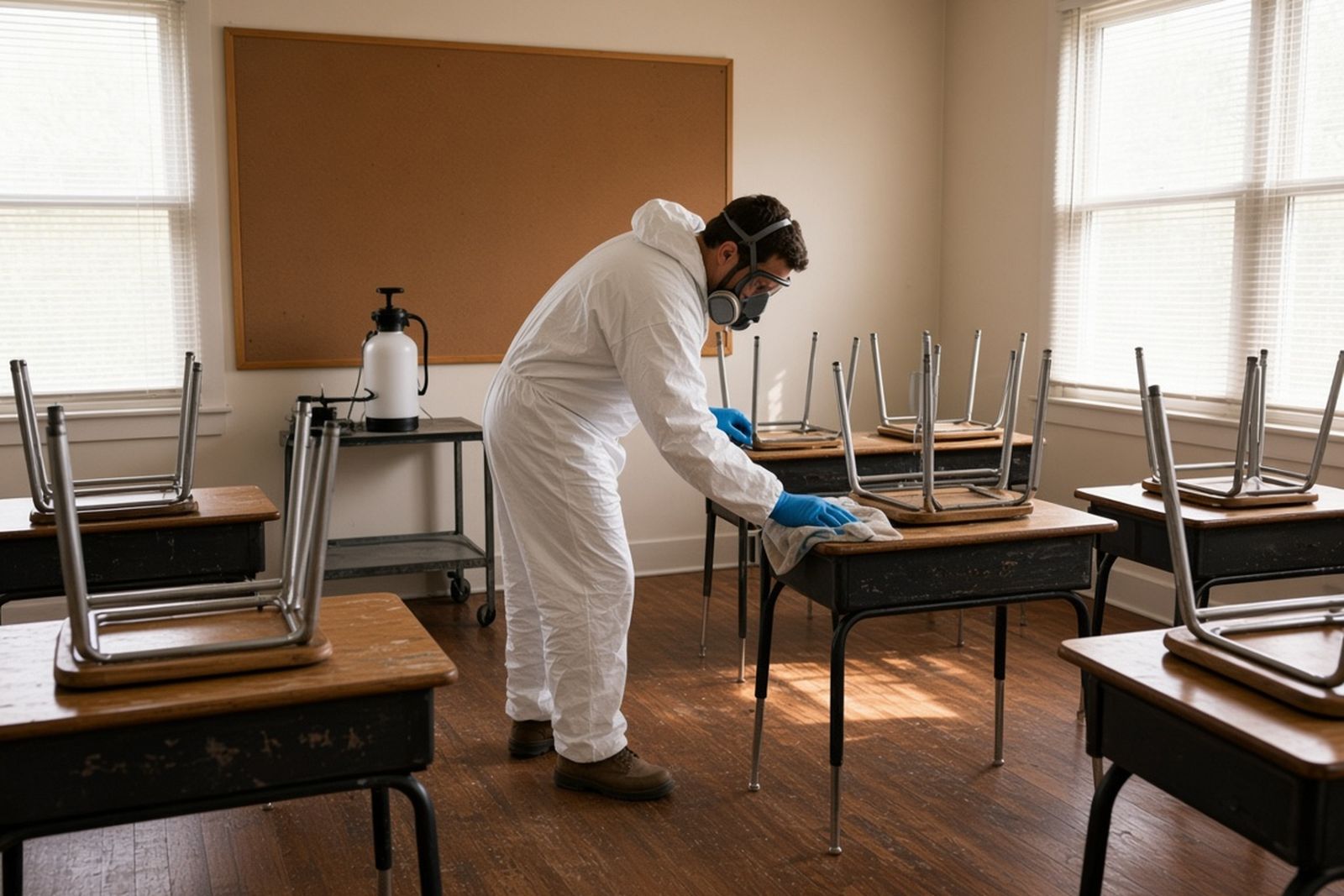
OSHA bloodborne pathogen planning comes in when workers can expect to handle blood or other body fluids that can carry disease, such as after a fall in the barn. Describe the mess first. If blood or similar material is involved, the plan needs protective gear, sealed waste bags, and exposure-control steps for the crew. If not, clean first and use a labeled disinfectant second. Describe it honestly for a cottage or barn, not in operating-room terms.
How should a Weston property manager clean a pool pavilion that stayed open during a guest's illness?
Close the pavilion and list what the sick guest touched. That includes the bath fixtures, changing-room door, outdoor fridge handle, and any shared towels. Clean those surfaces with detergent. Then disinfect them with a product labeled for them, and keep them wet for the full time. Wash towels and cushion covers. If the pool water is a concern, ask your pool service to check its chemistry. Reopen the pavilion once the label's return time has passed.
What should Weston riding staff do if they feel sick while caring for horses?
Staff who are sick should talk with their employer about staying home or limiting contact with others. They should follow their own doctor's advice. If they must work, handwashing before and after barn chores, and before eating, matters most. Clean the tack-room door handle, sink, and shared tools at the end of the shift. Keep a separate cup and water bottle. Human colds and stomach bugs usually don't spread to horses, but a vet can answer animal-health questions.