Infectious Disease Disinfection: Safety
Hazard-assessment articles for infectious disease disinfection, including when bloodborne, chemical, respiratory, sharps, structural, or waste controls may apply. PPE and containment must follow the actual exposure—not a universal checklist.
Safety posts focus on protecting the people who do the work and the people who come back to the building after. You will find articles on gloves, eye protection, and respirators that suit different products and methods. Posts explain why mixing disinfectants can release harmful gases. They cover how to keep sprays away from food surfaces and medical equipment. They explain why a label's airing-out and re-entry times deserve respect. Other posts cover residents or students with asthma, chemical sensitivities, or fragile health. These people may react to leftover residue or odor.
Get an email reply about infectious disease disinfection
Send a short message to the follow-up inbox. A coordinator can reply by email. This form does not send emergency help; call 911 first if anyone is in danger.
These topics matter for a simple reason. If disinfection makes staff sick or leaves residue that bothers people, it creates a second problem while trying to solve the first. Knowing the safety side also helps you judge vendors. Some companies talk openly about protective gear, which products are safe on which surfaces, and airflow plans. They are usually thinking carefully about the rest of the job too.
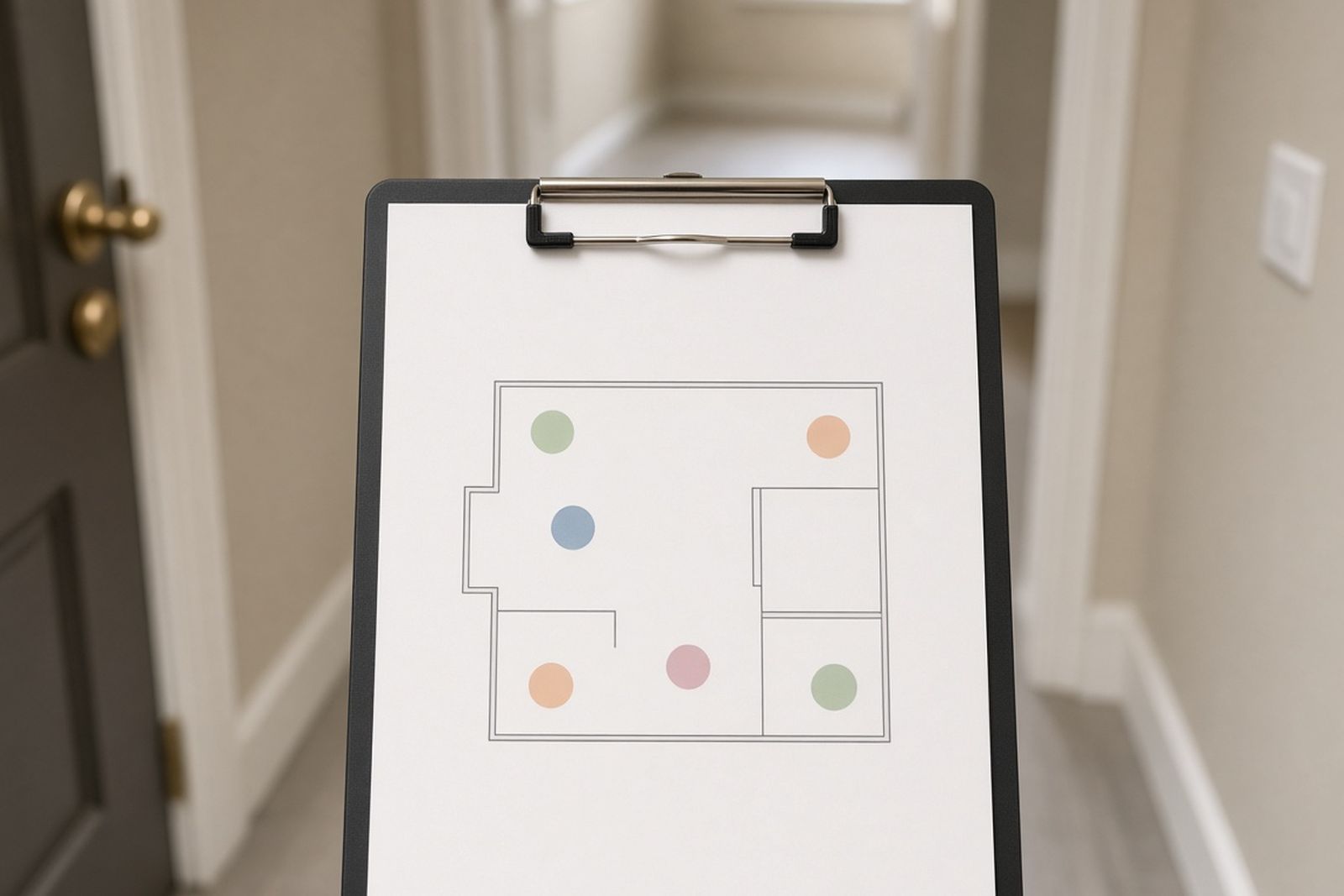
DIY vs Professional Infectious Disease Disinfection: The Critical Differences
After the flu, a stomach bug, or MRSA at home or work, should you disinfect it yourself or hire a crew? Compare products, dwell time, coverage, and risk.
You can usually disinfect after common illnesses like flu or a single stomach bug yourself by cleaning first, using an EPA-registered product with the right claim, and keeping surfaces wet for the full contact time. Professional disinfection is worth considering for outbreaks, spore-forming organisms like C. difficile, large or shared facilities, heavily soiled spaces, or homes with medically fragile people. Coverage, product choice, and verification are the key differences.
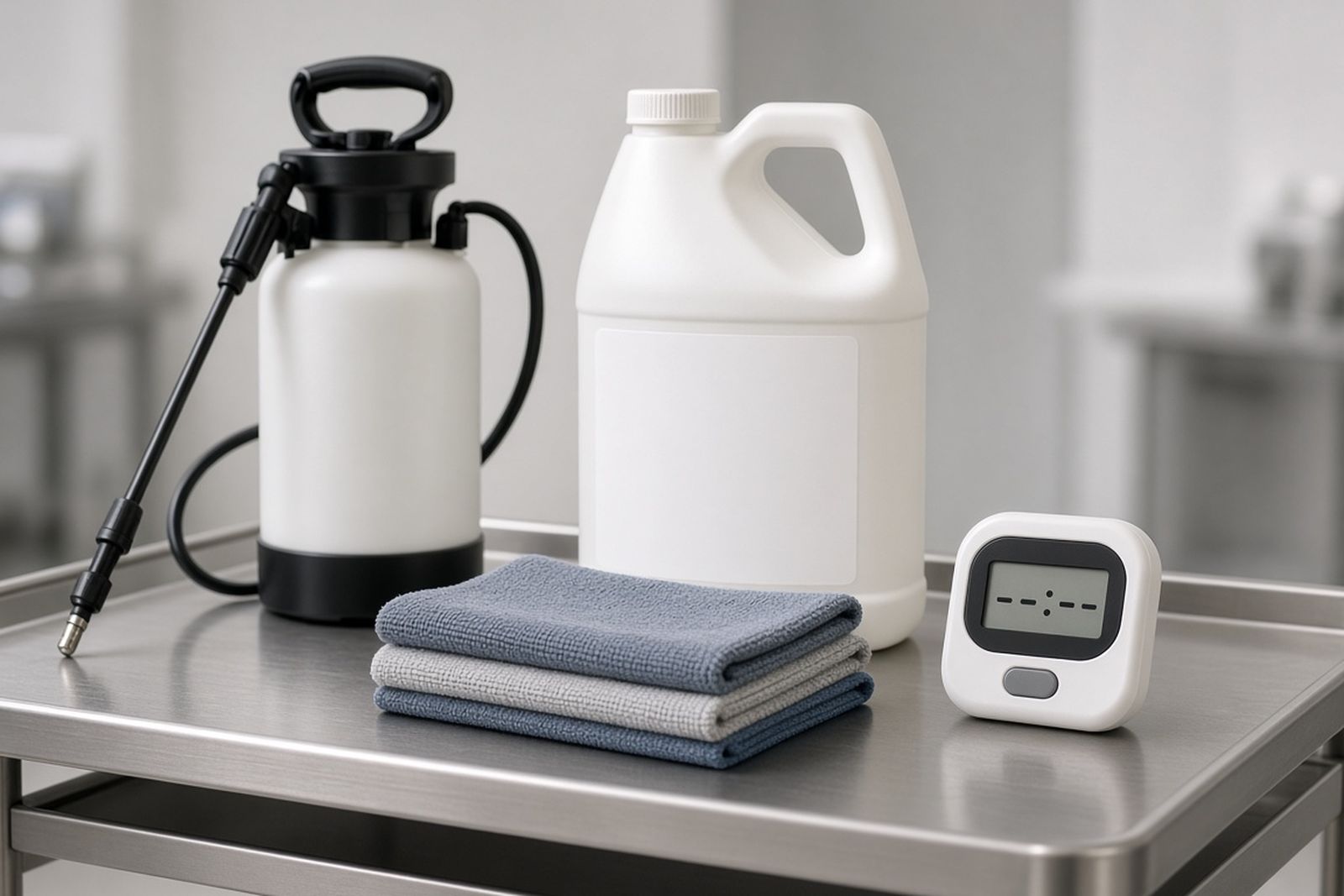
10 Infectious Disease Disinfection Safety Risks to Assess Before Work Begins
Wrong products, rushed dwell times, chemical fumes, and sloppy glove removal can undo disinfection or hurt the people doing it. Ten risks to assess first.
Before infectious disease disinfection begins, assess ten risks: choosing a product without the right organism claim, missing contact time, breathing chemical vapors, stirring up contaminated droplets, spreading germs with cloths and mops, protective equipment gaps, mixing incompatible products, returning too soon after spraying or UV treatment, damaging surfaces or creating fire hazards, and recontamination from people who are still ill.
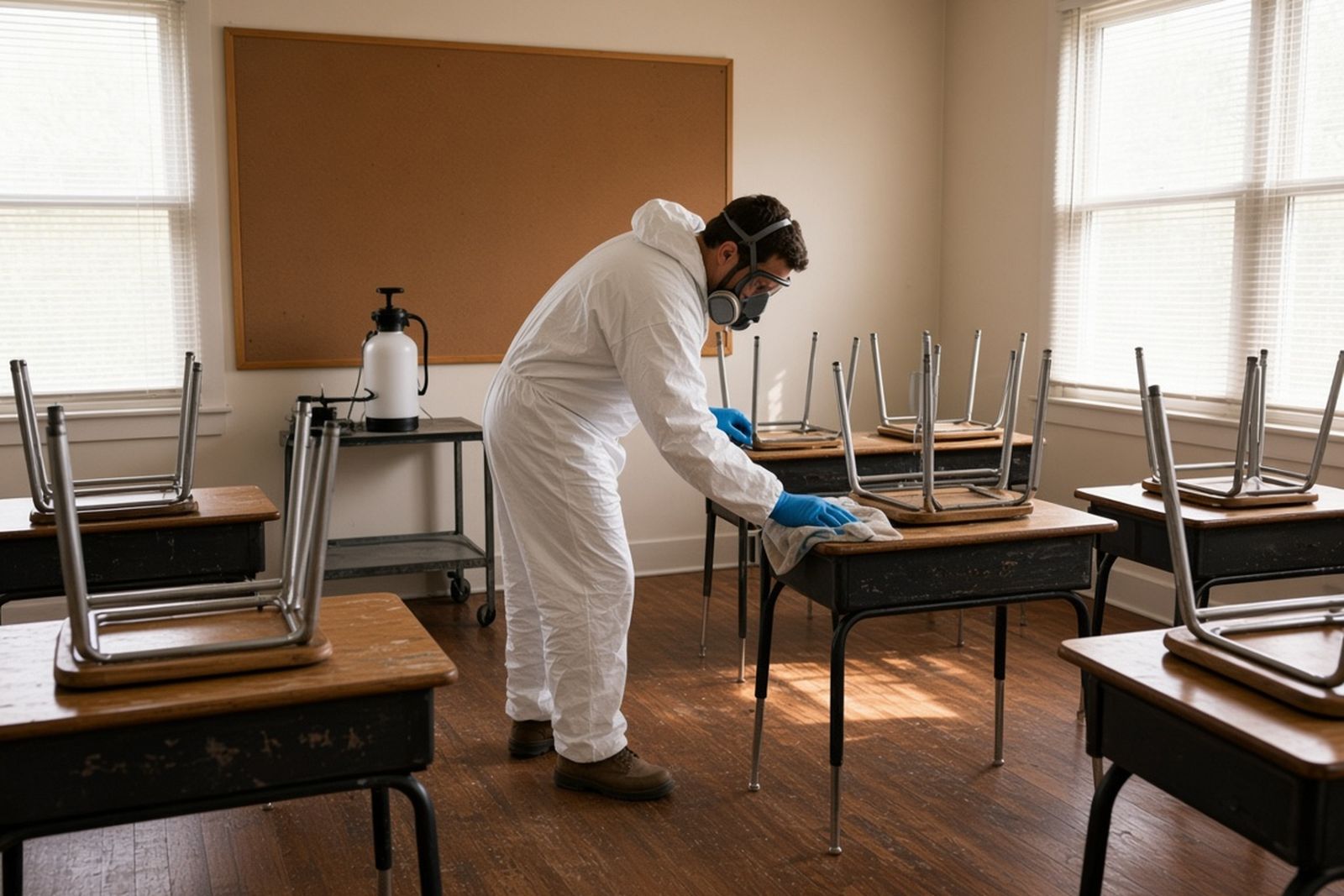
PPE Planning for Infectious Disease Disinfection: Start With the Hazard Assessment
The protective gear needed for disinfecting depends on the germ, the product and how it is applied. Here is how to review each task before you choose gloves, gowns and respirators.
Start your protective gear plan with three questions. Which germ is involved, and how does it spread? Which disinfectant will be used, and what do its label and safety data sheet require? Will it be wiped, sprayed or applied with an electrostatic sprayer? Those answers decide the glove material, the type of gown or coverall, the eye protection and whether respirators are needed. Train staff on how to take gear off, because soiled gear removed carelessly spreads germs further.
Sourced figures on safety
- 223,900
CDC's 2019 Antibiotic Resistance Threats Report estimated 223,900 C. difficile cases in hospitalized patients and 12,800 deaths in 2017, with $1 billion in attributable healthcare costs.
Read with care: Counts hospitalized cases only; costs cover hospital-onset cases only.
Source: CDC (2019)United States, hospitalized patients, 2017 data
- 9.4-51 million
CDC estimates seasonal flu caused 9.4 million to 51 million illnesses, 120,000 to 710,000 hospitalizations and 6,300 to 52,000 deaths annually in the U.S. between 2010 and 2025.
Read with care: Ranges reflect large season-to-season variation and are modeled estimates.
Source: CDC (2025)United States, annual range across 2010-2025 seasons
- 323,700
CDC estimated 323,700 MRSA cases in hospitalized patients and 10,600 deaths in 2017, with $1.7 billion in attributable healthcare costs.
Read with care: Excludes many uncultured skin infections; hospitalized cases only.
Source: CDC (2019)United States, hospitalized patients, 2017 data
These figures are public research and agency data, not this network's own job records. Keep each number with its population, year and limits; none of them predicts cost, timing or outcome at a specific property.
What research has found
Findings from published studies of people and properties in situations like this one. They describe what researchers observed in a specific group; they are not predictions for your case.
Wiping physically removed some spores from the inoculated area.
Some used wipes retained substantial viable bacteria.
Safety: common questions
Can staff clean up a vomiting incident before the vendor arrives?
Trained staff often handle small incidents. They use a spill kit, gloves, eye protection, and a product whose label lists norovirus. The key steps are keeping others away and removing the mess gently to limit splashing. Then they disinfect a wider area than the spot you can see. If staff lack training or supplies, it is fair to block off the area and wait. Follow any advice your health department or facility policy gives.
Is fogging safe for people with asthma?
Fogging and electrostatic spraying put fine droplets into the air. That is why labels usually require empty rooms and set a re-entry time. Leftover odor or residue can still bother sensitive people after the room reopens. Tell the vendor about people in the building with breathing problems. Then it can choose products and airflow plans with that in mind. Ask anyone with concerns to talk with their own doctor.
What should I do if staff notice a strong chemical smell afterward?
Open windows or add fresh air if it is safe to do so. Keep people out of the area. Contact the vendor and ask which product was used and whether the re-entry time was met. The label and the product's safety data sheet list symptoms to watch for and first aid steps. Anyone who feels unwell should get medical advice. They should not wait for the smell to fade.
Should staff wear masks when cleaning up after a stomach illness?
A mask or face shield helps protect the nose and mouth from splashes while cleaning up vomit or diarrhea. Eye protection guards against droplets. Some germs can also spread through tiny particles released when someone vomits. Follow your facility's review of what protective gear is needed. Also follow your health department's advice for the illness involved.
How long should people stay out of a room after it is disinfected?
Follow the product label. It may allow use right away once surfaces are dry. Or it may require a longer wait after spraying or fogging. Fresh air helps clear fumes. People with asthma or chemical sensitivities may need extra time. Ask your vendor or head custodian to post the re-entry time on the door, so nobody has to guess.
Is it safe for pregnant staff to use disinfectants?
Many disinfection tasks can be done safely with the right protective gear and fresh air. But some products carry specific warnings. Review the safety data sheet. Encourage pregnant staff to talk with their doctor about their duties. Employers can offer changes, such as moving tasks that involve strong chemicals or spraying to other staff. Keep those talks private.
What should we do if a child touches a wet disinfected surface?
Wash the child's hands with soap and water right away. Keep them from touching their eyes or mouth. Check the product's safety data sheet or label for first aid steps. Call poison control if the child swallowed product or shows symptoms. Keep children out of treated areas until surfaces are dry, and store products where they can't reach them.
Related community polls
Every count is a real visitor vote; nothing is seeded or padded. One vote per poll per device, and you can change your answer.
When your facility had an illness cluster, how did you handle cleaning?
How did you decide whether to close all or part of the facility?
More on infectious disease disinfection
Infectious Disease Disinfection services
Learn how expert outbreak disinfection works in schools, offices, clinics, gyms, and care homes. See each step, from mapping high-touch spots to checking contact times and records.
Costs explained
What drives the price, published cost ranges, and how to read a written quote line by line.
Insurance and payment
Which policies may respond, how to document a claim, and what to do if coverage is denied.
Planning tools
Hands-on tools help you see cost drivers, check vendors, and organize a claim file. They also help you plan the first day, sort waste, and judge if staff can do the work.
Community polls
See how other facility managers handled closing, vendors, and telling people during outbreaks. Then take the questions that come up to your own team.
Knowledge quiz
Test what you know about product labels, contact times, keeping germs contained, and records. Do it before you approve a disinfection plan or brief your leaders.
City guides
Find disinfection providers who serve your area for facility outbreaks. Learn what to confirm about products, training, and records before you hire.