Direct answer
The short answer for Beverly Hills, CA
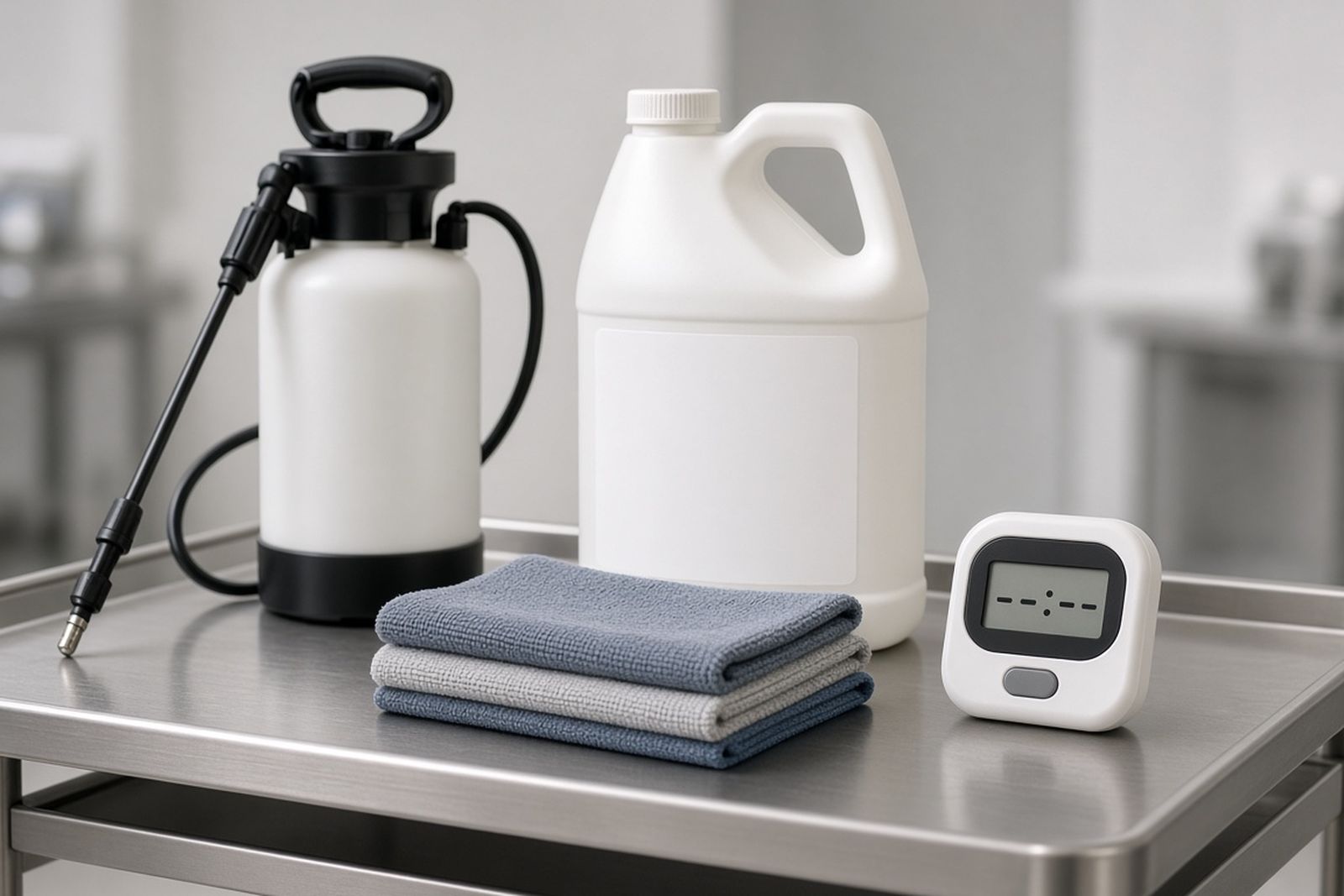
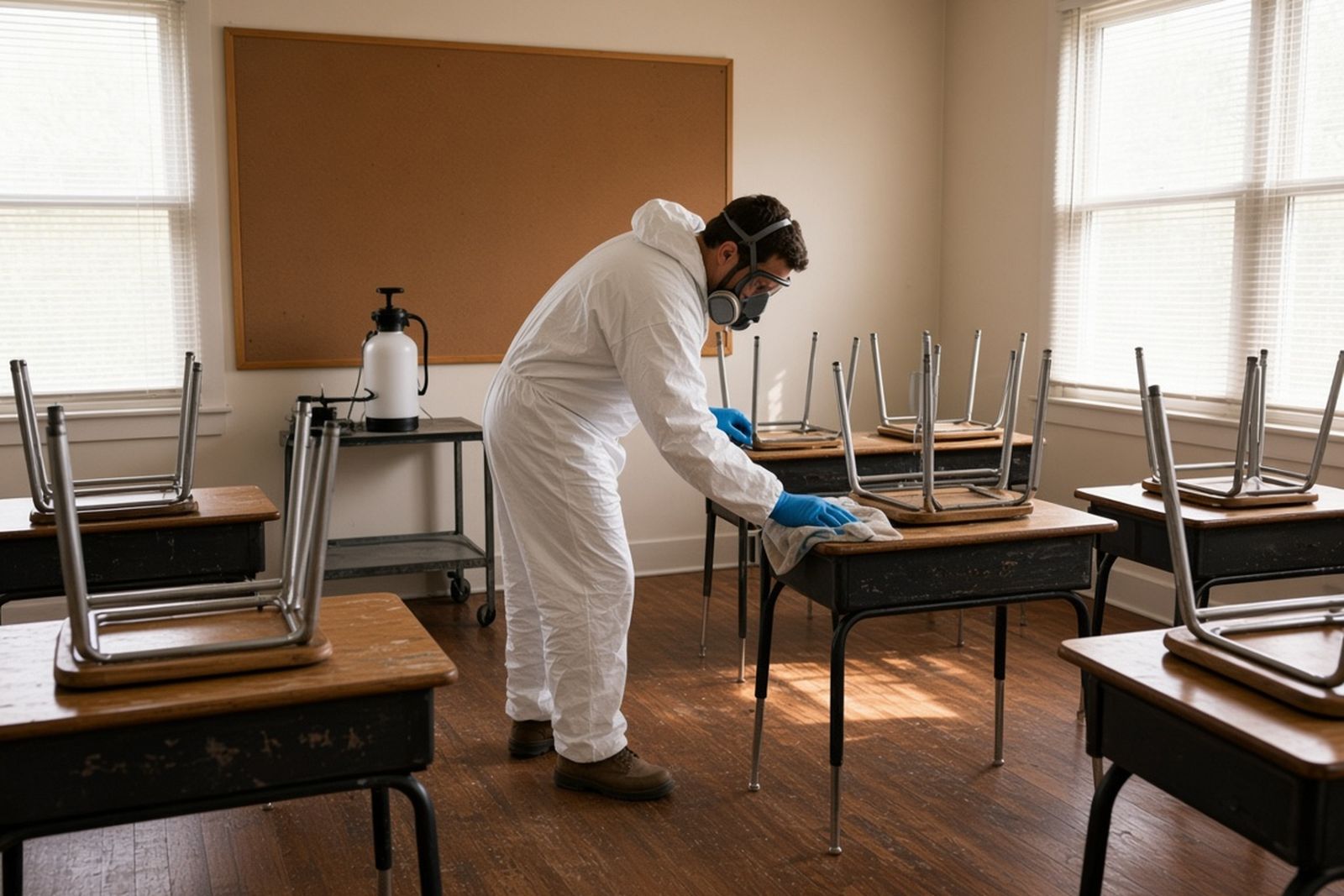
Beverly Hills estate homes, concierge residences, and private offices need a plan that treats cleaning and disinfecting as two steps. Match each EPA-registered product label to the germ you are worried about. Record how long surfaces stayed wet. Don't treat List N as a list for every germ, and don't accept promises of a sterile home.
Editorial guide · Biohazard Remediation NetworkUpdated 2026-07-22Location focus: Beverly Hills, CA
Local planning context
Beverly Hills homes often mix big hard-surface areas with lots of fabric and soft furnishings. Think guest suites, private elevators, and wine rooms with door hardware that gets handled often. Staff hallways also link the kitchen, laundry, and living areas. After illness spreads in the household, or after an exposure in a shared building, ask three things. Which surfaces were touched most while someone was contagious? Which materials can handle the disinfectant on the label? Which soft items should be washed, set aside, or replaced instead of fogged where they sit? The coastal Los Angeles Basin air and closed-window climate control can trap chemical smells. Plan fresh air and a safe time to come back in after products go on.
Many Beverly Hills addresses sit inside condo buildings or gated communities. Any notice about illness there should stick to facts and never blame anyone. Building managers and household staff need a written line between a home disinfection plan and a hospital-style deep clean, which only applies inside a regulated clinic. The Los Angeles County Department of Public Health shares infection-prevention tips for facilities and group living settings. Those tips back up using EPA-registered products for the full contact time. They do not turn a luxury home into a sterile clinic. Keep everyday home risk reduction separate from the programs licensed health care must run.
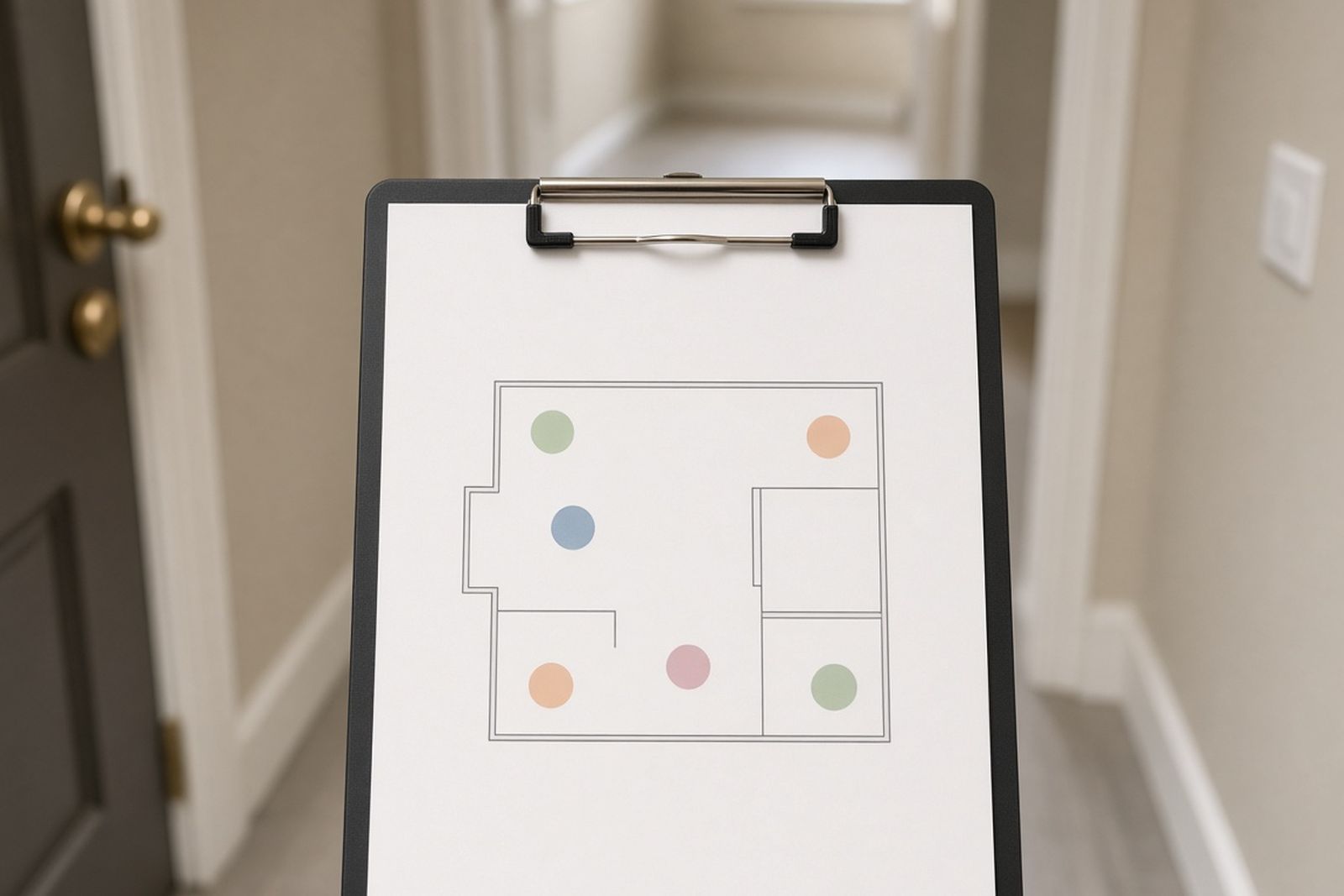
Rodeo Drive and the nearby office suites see a different kind of traffic. Visits are short, restrooms are shared, and many hands touch reception desk hardware between appointments. For those spaces, map the most-touched spots first. Clean restrooms in order, from the dirtiest area to the cleanest. Keep rooms empty long enough for the disinfectant to stay wet for the full time on the label. Scent machines and fogging while people are inside are not a substitute. If blood or other body fluids that can carry disease are present, OSHA bloodborne pathogen rules may apply to workers. For ordinary colds and flu, surface work still starts with cleaning and then follows the label, not a sterilization certificate.