Direct answer
The short answer for New Canaan, CT
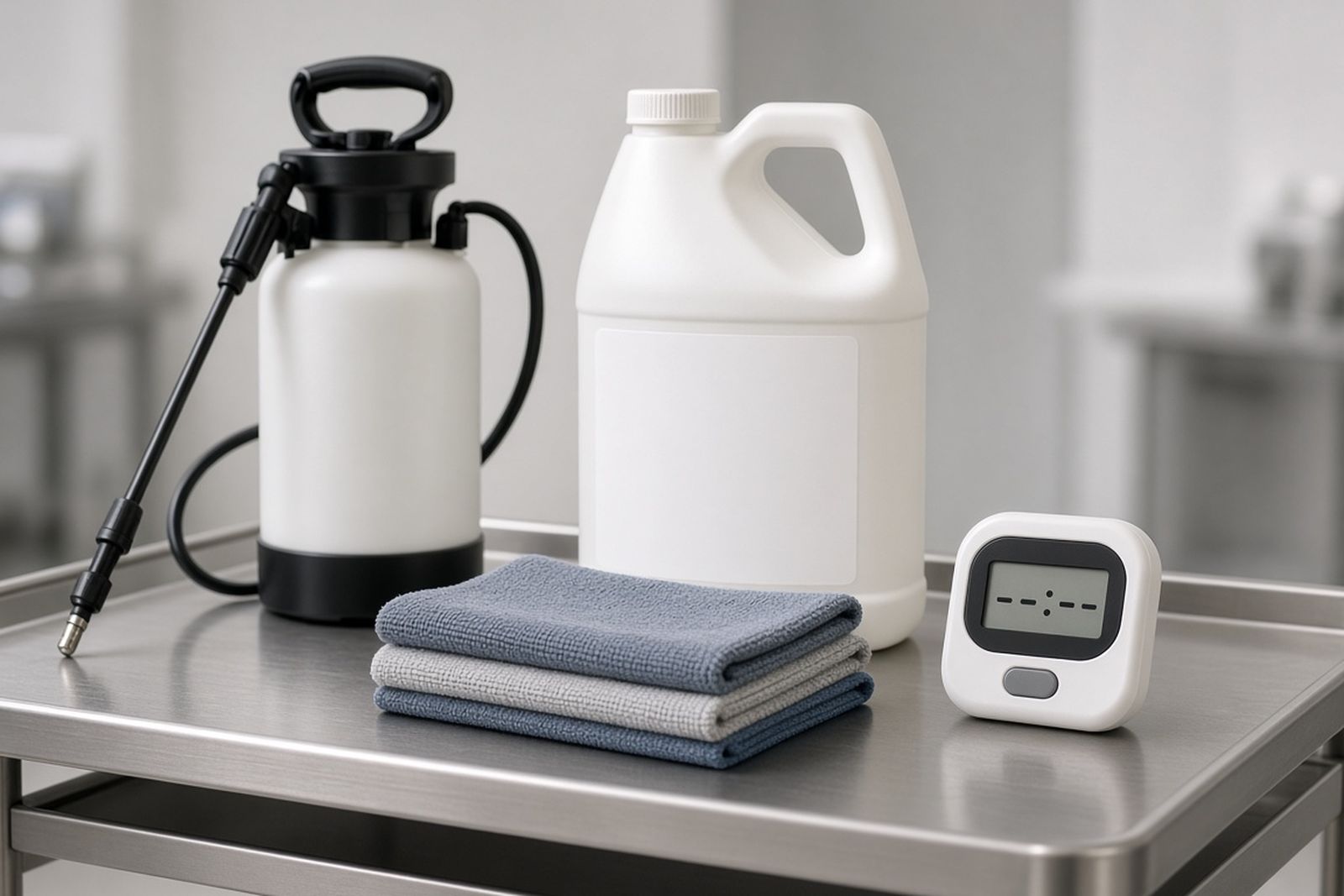
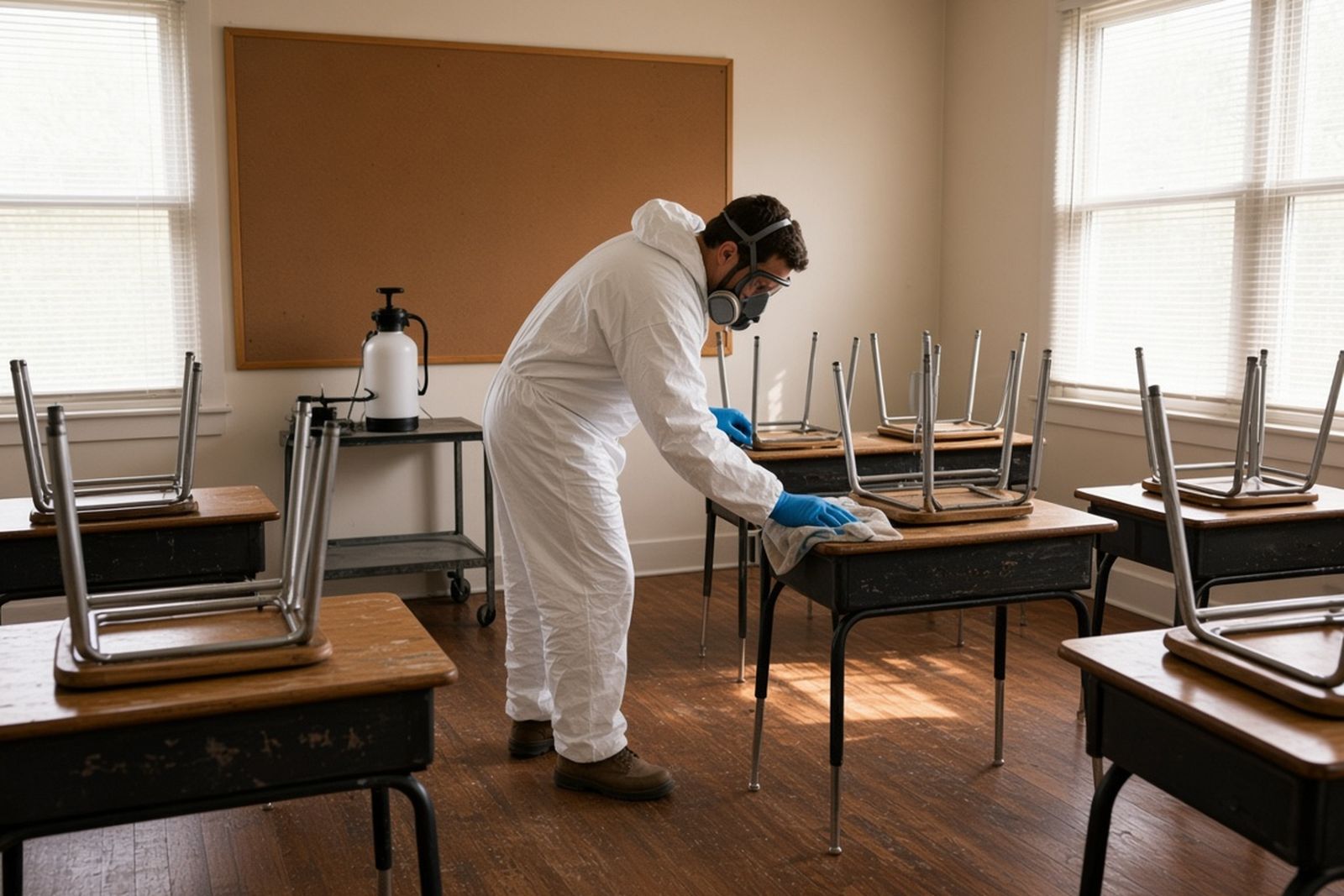
Fairfield County estates on private lanes, with staff cottages and barn-side mudrooms, need a plan that cleans off grime before any product goes on. Match each EPA label to the germ of concern. Keep List N inside its COVID-19 limits. Make no sterile promises and no medical diagnoses.
Editorial guide · Biohazard Remediation NetworkUpdated 2026-07-22Location focus: New Canaan, CT
Local planning context
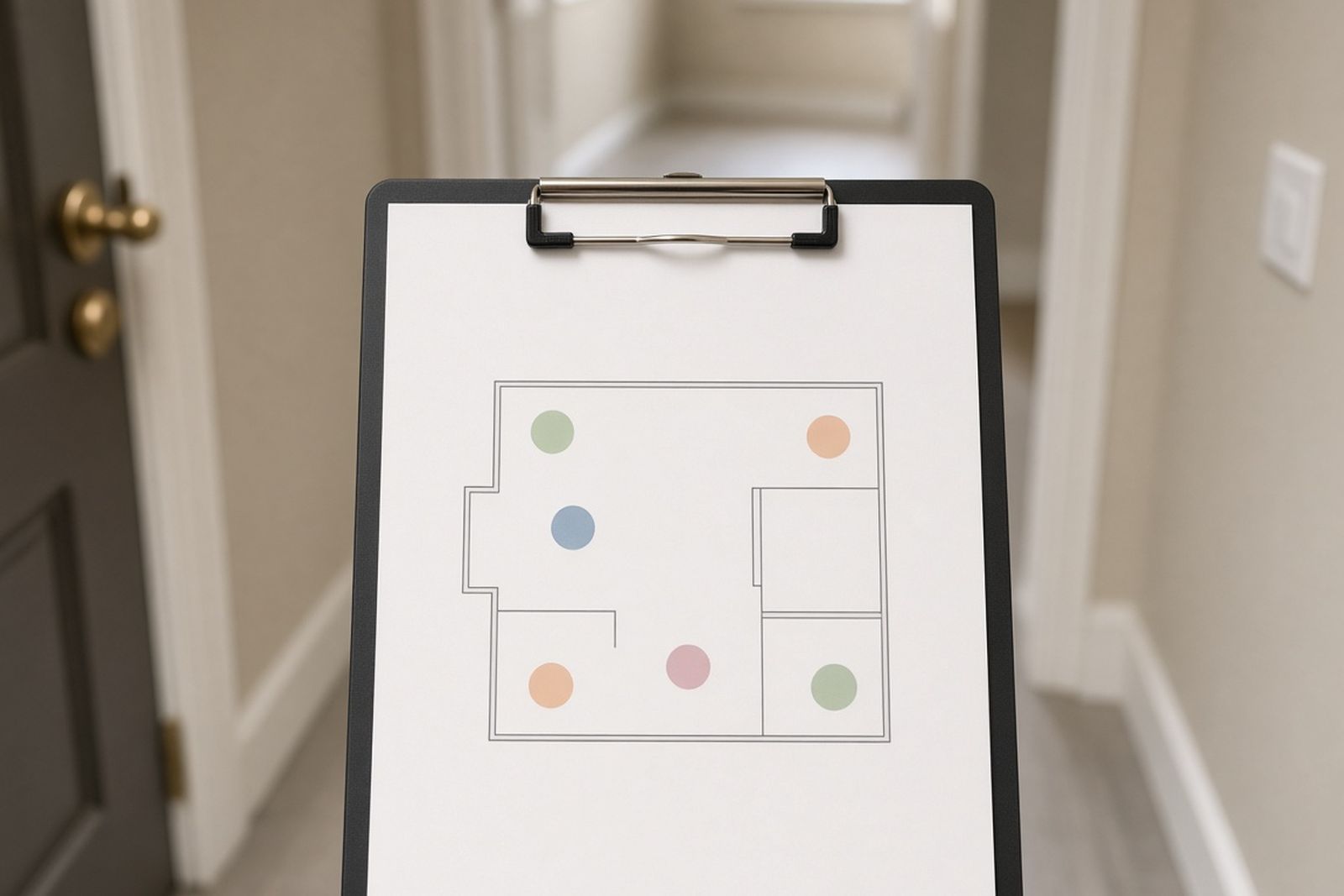
Large-lot New Canaan properties on private lanes often spread family, guest, and staff life across several buildings. There's a main house and a caretaker cottage, and sometimes a barn or pool pavilion with its own sinks and boot benches. When illness spreads in the household, germs usually travel through the service areas. Laundry chutes, pantry doors, garage remotes, and the lane-gate keypad matter more than formal parlors nobody uses. Your plan should list which buildings people actually used while someone was contagious. It should also track which soft items left those rooms. Don't assume one fog pass covers the whole estate.
In Fairfield County winters, houses stay shut for long stretches. Chemical smells and wet film dry differently than on a breezy summer afternoon. Honor the label's wet time even when school carpools and Metro-North bags want the mudroom back early. Connecticut Department of Public Health and New Canaan Health Department materials can support factual notices. A lane estate is no clinic. A private-lane estate is still a home, even with a visiting nurse. Don't describe its cleanup as if it were a licensed health care infection-prevention program.
Horse and landscaping vendors often come in through side doors, not the formal front entrance. Hose bibs, tack-room light switches, and delivery benches near the kitchen wing all see their hands. Add those spots to the high-touch map if staff or riders moved between the barn and house during the illness.