West · US

Infectious Disease Disinfection Planning in San Francisco, CA

Planning infectious disease disinfection in San Francisco, CA

Outbreak planning for San Francisco towers and lodging. Map elevator-core touch points, clean before you disinfect, and learn what List N covers. This is planning guidance, not a claim of a local office or crew in San Francisco.

Get an email reply about infectious disease disinfection

Send a short message to the follow-up inbox. A coordinator can reply by email. This form does not send emergency help; call 911 first if anyone is in danger.

Tell us what you need help with. Share a short description; please leave out medical details, access codes, and other sensitive information.

A request does not confirm a booking. For immediate danger, contact local emergency services.

Or email info@prompartybuses.com

Direct answer

The short answer for San Francisco, CA

San Francisco towers, lobbies near transit, and tourist lodging need outbreak plans that start with the shared elevator core. Keep labeled wet times honest when fog-season HVAC runs with windows shut. Treat List N as a COVID-19 reference, not a sterile-building certificate.

Editorial guide · Biohazard Remediation NetworkUpdated 2026-07-22Location focus: San Francisco, CA

Local planning context

In stacked towers and mid-rises, almost every trip passes a short list of shared objects. Call buttons, elevator panels, hallway rails, trash-chute handles, and package rooms near transit stops top that list. Say one floor reports a stomach bug, or a cold spreads while someone is contagious. Those elevator-core spots usually come before the decorative trim at the end of a hallway. In fog season, many windows stay shut. Chemical smells and wet film then dry differently than in a sunny courtyard building. Set empty-room times that match that reality, not a spray-and-go sales pitch.

Neighborhood lodging near tourist areas turns rooms over fast for late arrivals and same-day bookings. That pressure often shrinks an outbreak response into regular housekeeping. Linens get changed, bathrooms get wiped, and a scent is left behind. A real outbreak plan still needs an EPA-registered product matched to the germ. It needs detergent cleaning first and the full wet time, with the room or amenity kept empty. San Francisco Department of Public Health messages can support factual notices. They don't turn a condo gym or hotel hallway into a sterile clinic.

On many mixed blocks, street-level clinics and wellness shops share elevators and lobbies with apartments. Common-area work there is still community risk reduction under CDC cleaning and disinfecting advice. Medical device cleaning and hospital sterilization belong to the clinic's own program. They are not a standard for clearing homes. Cleanup sometimes uncovers blood or other body fluids that can carry disease. OSHA's blood rules may then cover the workers, even outside a hospital.
Property considerations

List the elevator-core hardware first: call panels, cab rails, chute handles, and package lockers. Decorative finishes come later.

In fog season, build in extra empty time, since smells clear more slowly when windows stay closed.

Keep lodging linen checklists separate from outbreak products and timed wet-period logs.

Map the stairs residents use while elevators are closed, so no one gets sent onto rails that haven't been treated.

Decide whether fabric seating and yoga mats in amenity rooms get washed or left out before any product goes on.

On mixed blocks, draw a firm line between the clinic tenant's device rules and the lobby or amenity plan.

Response-planning framework

Treat the elevator core before private units

Follow a resident's path from the sidewalk to their door. That runs through the street door, mail area, elevators, and floor landings, then to each unit. Mark the true hand-contact points. Mark any restroom where someone vomited as a clean-the-mess-first zone. Spending the same effort on ceiling corners while elevator panels dry early wastes the job. Write down which floors and amenity rooms are included so untreated spaces aren't assumed "done."

Pick the label for the illness, not the scent

Start with what you know. Maybe a floor has a stomach bug. Maybe a doctor named a germ. Don't diagnose neighbors. EPA List N is a public reference for the COVID-19 virus when directions are followed. It isn't a master list for norovirus, spore-forming germs, or every winter virus. Turn down sales claims that a scented fog sterilizes the air or soft items.

One reopening time for desk and night staff

Closed-window towers tempt staff to wipe surfaces dry early so packages and late guests can move. Ventilate per the label and SDS. Keep surfaces wet for the printed contact time. Reopen amenities only after that. The desk and the overnight crew share one written clock. Then a shift change won't release elevators before the wet time ends. Sensitive residents may need more time than the label's minimum.

Keep records, not medical gossip

Keep product names, EPA registration numbers, zones treated, cleaning notes, and start and stop times for each wet period. A swab of a restroom tap can check for leftover grime. It won't name germs or prove sterility. Point medical questions to doctors or SFDPH. Notices should list closed floors or amenities and reopening times, not people or diagnoses.

Documentation checklist

  1. 1List of hand-contact spots in the elevator core and amenities, with notes on where the mess centered
  2. 2Written line between routine housekeeping or turnover and outbreak disinfection
  3. 3EPA registration numbers, the germ claims relied on, and labeled contact times
  4. 4Detergent cleaning sign-off for each tower floor, laundry room, and chute door before any disinfectant went on
  5. 5Timed wet-period logs for elevators, lobbies, laundry rooms, and amenity restrooms
  6. 6Fog-season fresh-air notes plus one reopening time shared with the desk
  7. 7Lobby and lodging notices, checked so no guest or tenant can be identified
  8. 8How soiled towels and cleanup rags left the tower, and which chute or bin they went to

Official resources

Questions for this location

Why do fog-season closed envelopes change tower disinfection timing?

With windows shut, wet film dries slower and chemical smells can hang in stacked hallways and elevators. Staff may wipe surfaces dry early so elevators reopen for packages or late arrivals. That undoes the label's wet time. Plan longer empty periods and confirm surfaces stay wet for the full time printed on the label. Air things out as the SDS says, not just when it's convenient. Soft items in units may hold smells, so write down what gets washed or set aside before work starts. Posting one reopening time for amenities and elevators keeps night shifts from opening spaces early.

After a restroom vomit event in a shared laundry room, what comes first?

Close the room and give workers the right protective gear. Remove the visible mess and waste. Then clean hard surfaces with detergent so grime can't shield germs. Only then apply an EPA-registered disinfectant whose label covers stomach germs. Keep fixtures, machine controls, and door hardware wet for the full contact time. Fabric items may need washing or temporary removal. Reopen only after the written time. Remind residents that washing hands and staying home when sick still matter. Surface work lowers risk. It is not sterilization.

Does corridor fogging sterilize visitor lodging rooms?

No. Fog drifting down a hallway doesn't reach the sink handles, remotes, and shower valves guests actually touched. It can also make the hallway unpleasant to breathe. Sterilization is a term for surgical tools, not guest rooms. What works in a hotel or tower unit is simple. Wash soiled fixtures and strip and wash the linens. Then wipe hard surfaces with a labeled product and leave the room empty until it has done its job.

What should a short-term host file after a sick guest leaves a tower unit?

Note how long the unit stayed empty. Add each soap-and-water step. Which disinfectant? Give its name and EPA number, the germ you counted on, and minutes kept wet. Note how bedding and towels were washed, what was thrown out, the fresh-air steps, and the next allowed entry time from the label. Don't claim the unit is medically cleared. If blood or needles are involved, use handling suited to bloodborne germs. Tell building management only practical facts, such as whether elevators or package lockers were left out. Keep guest health details private.

How should mixed blocks talk about clinic cleaning versus apartment amenities?

Use separate plans. A clinic has its own device rules. That health care guidance is not a standard for clearing homes. Apartment lobbies, elevators, and amenity rooms follow the community approach: clean, then disinfect, with EPA-registered products and recorded wet times. Notices must not say the tower was sterilized because a clinic wiped its exam rooms. Put shared cabs in the community touch plan. Leave out surgical-tool words. Fluids like blood in any suite may still call for an OSHA blood plan for the crew.

How should a San Francisco tenant clean a shared laundry room after using it while sick?

After your load, wipe the washer and dryer doors, control buttons, and lint trap handle. Use a product the building allows and follow its contact time. Carry laundry in a bag you can wash with the clothes, not a shared cart. If you vomited or had diarrhea in the room, tell the building manager. Staff can then clean it properly and close it until the label time has passed. Wash your hands before you touch the elevator buttons on the way back.

Does a San Francisco in-law unit share cleaning responsibility with the main house after an illness?

It depends on what you share. If the in-law unit has its own entrance, kitchen, and bath, it can be cleaned on its own. You may share a laundry room, side gate, garage door, or trash area. Whoever uses those shared surfaces should clean and disinfect them, ideally on a schedule you agree on. Talk with the other household about who does what, and keep medical details private. A short written plan helps prevent missed spots.

Contact

Get help by email

Send a short message for an email reply about infectious disease disinfection planning questions for the San Francisco Bay Area area.

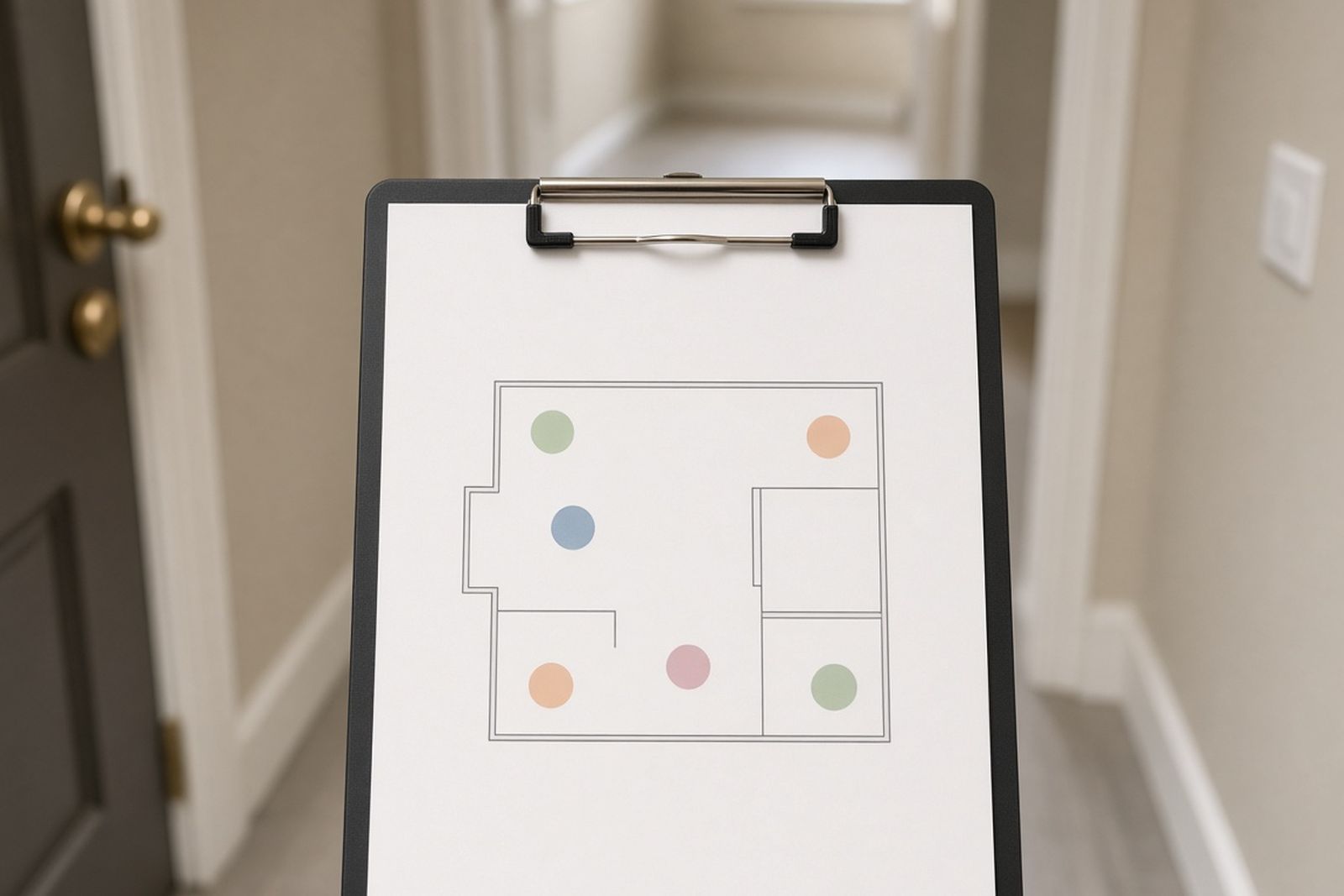
Clipboard showing a room plan with color-coded dots marking high-touch surfaces
Illustrative photo, not a job record. Clipboard showing a room plan with color-coded dots marking high-touch surfaces.
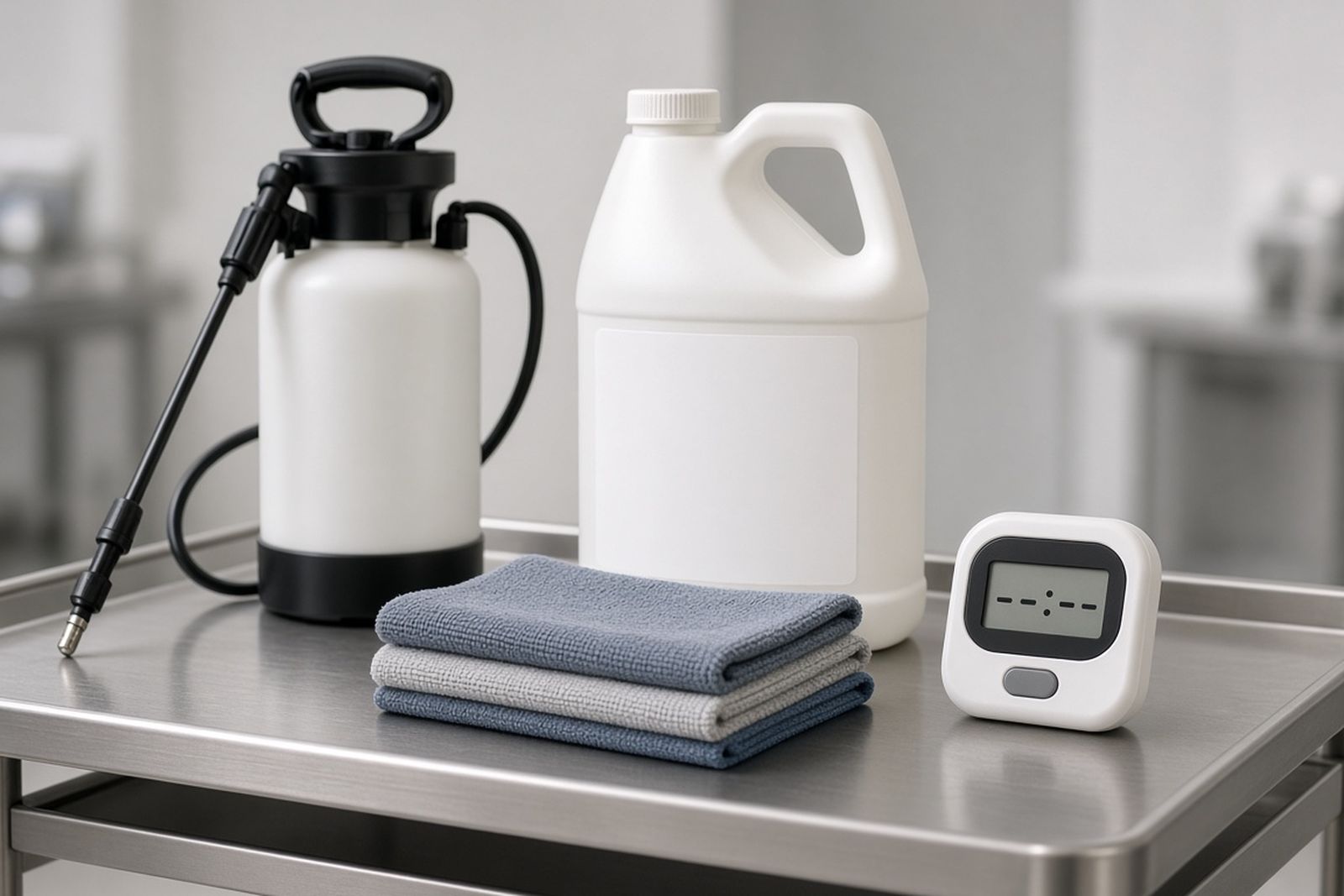
Pump sprayer, disinfectant jug, folded cloths and a contact-time timer on a steel cart
Illustrative photo, not a job record. Pump sprayer, disinfectant jug, folded cloths and a contact-time timer on a steel cart.

Infectious Disease Disinfection figures to keep in mind

National and research figures, not San Francisco data. Local conditions, rules and providers vary; use these for scale and context only.

$0.10-$0.30 per sq ft

ISSA's commercial cleaning pricing guide lists electrostatic disinfection at $0.10 to $0.30 per square foot and medical facility cleaning at $0.14 to $0.29 per square foot.

Read with care: Trade-association ranges; actual quotes vary by region, square footage and frequency.

Source: ISSA (2025)United States commercial facilities, industry-wide ranges, December 2025

$15-$400+

HomeAdvisor reports that disinfecting a home to reduce germs, bacteria and viruses costs anywhere from $15 to $400 or more depending on DIY versus professional service.

Read with care: Broad range mixing DIY supplies and professional visits; specialized biohazard work costs more.

Source: HomeAdvisor (2026)United States residential, cost guide updated June 2026

72 hours

In a 2020 NEJM study, viable SARS-CoV-2 was detected up to 72 hours on plastic and 48 hours on stainless steel, but not after 24 hours on cardboard or 4 hours on copper.

Read with care: Viral titers dropped sharply over time; CDC later judged surface transmission to be a low risk relative to airborne spread.

Source: New England Journal of Medicine (2020)Laboratory study, controlled conditions

These figures are public research and agency data, not this network's own job records. Keep each number with its population, year and limits; none of them predicts cost, timing or outcome at a specific property.

Plan before you reach out

Use the first 24 hours planner for immediate steps and the provider vetting checklist to confirm any San Francisco provider's training, insurance and waste path in writing.

What research has found

Findings from published studies of people and properties in situations like this one. They describe what researchers observed in a specific group; they are not predictions for your case.

The most common reported disinfection frequency shifted from between patients to twice daily.
Who was studied: 137 healthcare-professional respondents; convenience/purposive online sample across the pandemic.Limits: Reported knowledge and practices, not observed compliance or infection outcomes.Infection prevention control in practice: a survey of healthcare professionals’ knowledg… (2024)
Sporicidal products were common in contact-isolation rooms but uncommon in ordinary rooms.
Who was studied: 47 US hospital environmental-services respondents across 26 states; 2019 survey.Limits: 47 of 273 contacted participated; practices were reported rather than observed.Environmental cleaning and disinfection of hospital rooms: A nationwide survey (2021)

Infectious Disease Disinfection community polls

Poll results

Every count is a real visitor vote; nothing is seeded or padded. One vote per poll per device, and you can change your answer.

Your experience

When your facility had an illness cluster, how did you handle cleaning?

No visitor votes yet
Process

How did you decide whether to close all or part of the facility?

No visitor votes yet

Planning cleanup in San Francisco?

Send a short message about the property to the follow-up inbox. A coordinator can reply by email with next steps.

Your request is sent to the follow-up inbox. A coordinator can reply by email.

If anyone is hurt or in danger, call 911 first.