Direct answer
The short answer for San Jose, CA
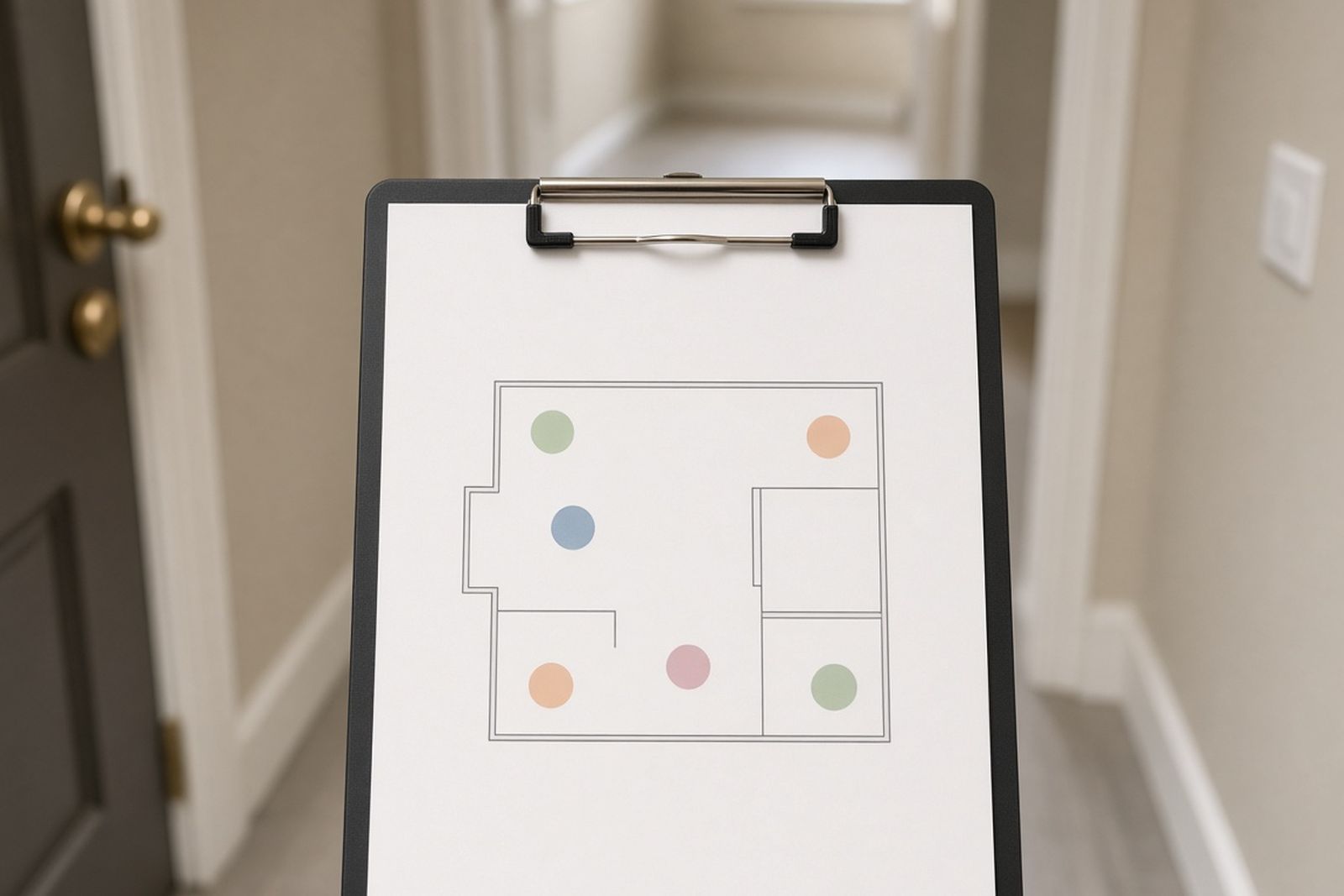
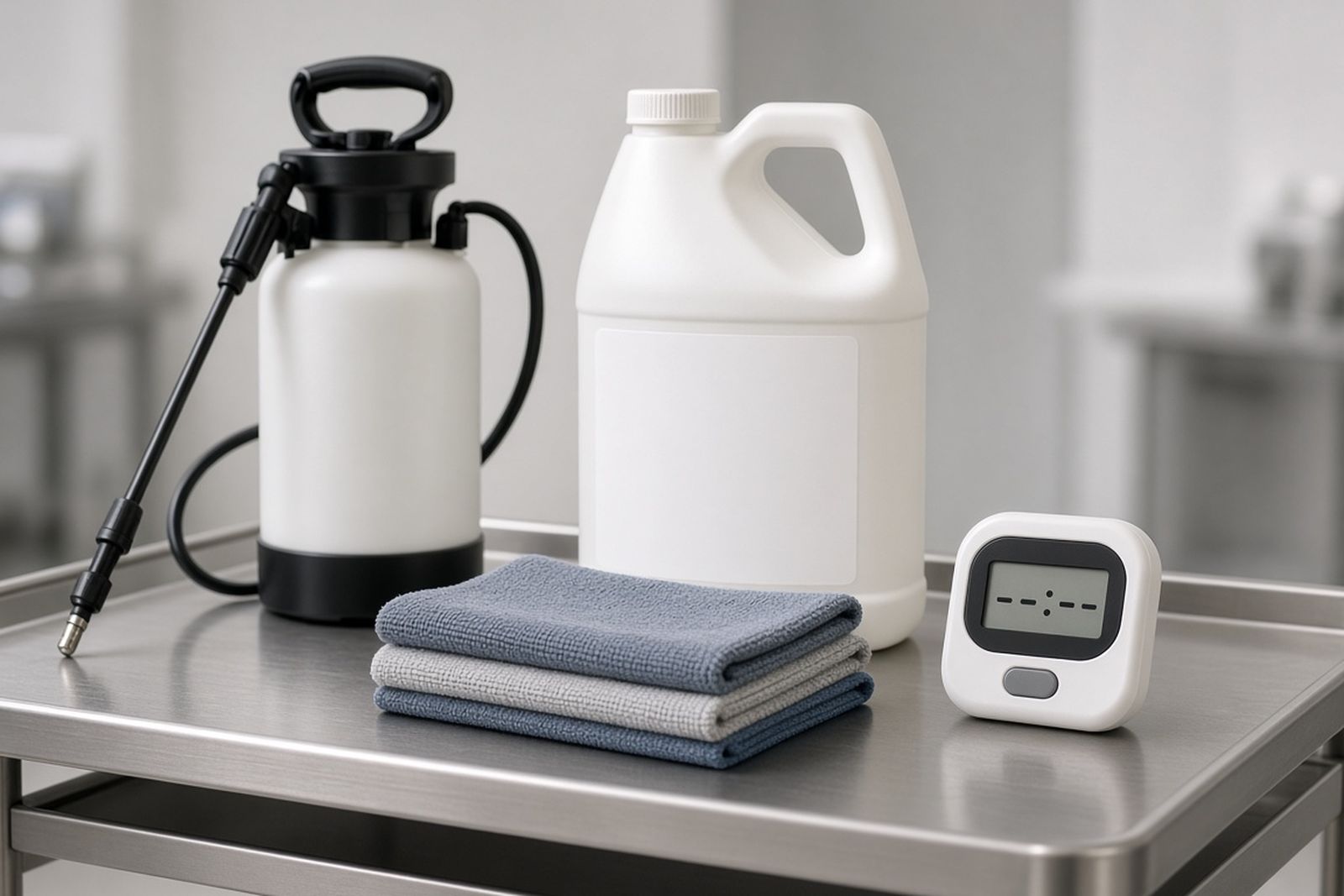
San Jose homes, apartment complexes, and tech offices need plans that map high-touch spots and follow labeled contact times. Stage hybrid returns with care. Be honest about the limits of List N and residue swab tests, and don't confuse campus cleaning with hospital sterilization.
Editorial guide · Biohazard Remediation NetworkUpdated 2026-07-22Location focus: San Jose, CA
Local planning context
San Jose mixes single-family streets, packed apartment and townhome clusters, and big office floors near downtown and North San Jose. That creates lots of shared touch points. Conference room remotes, badge readers, bike-room doors, courtyard gates, and open kitchenettes all see many hands. After a stomach bug at work or a cold at home, list which surfaces got touched while someone was contagious. Also list the soft items that a hard-surface label can't cover alone. Felt booths, lounge sofas, and sound-absorbing wall panels are common examples.
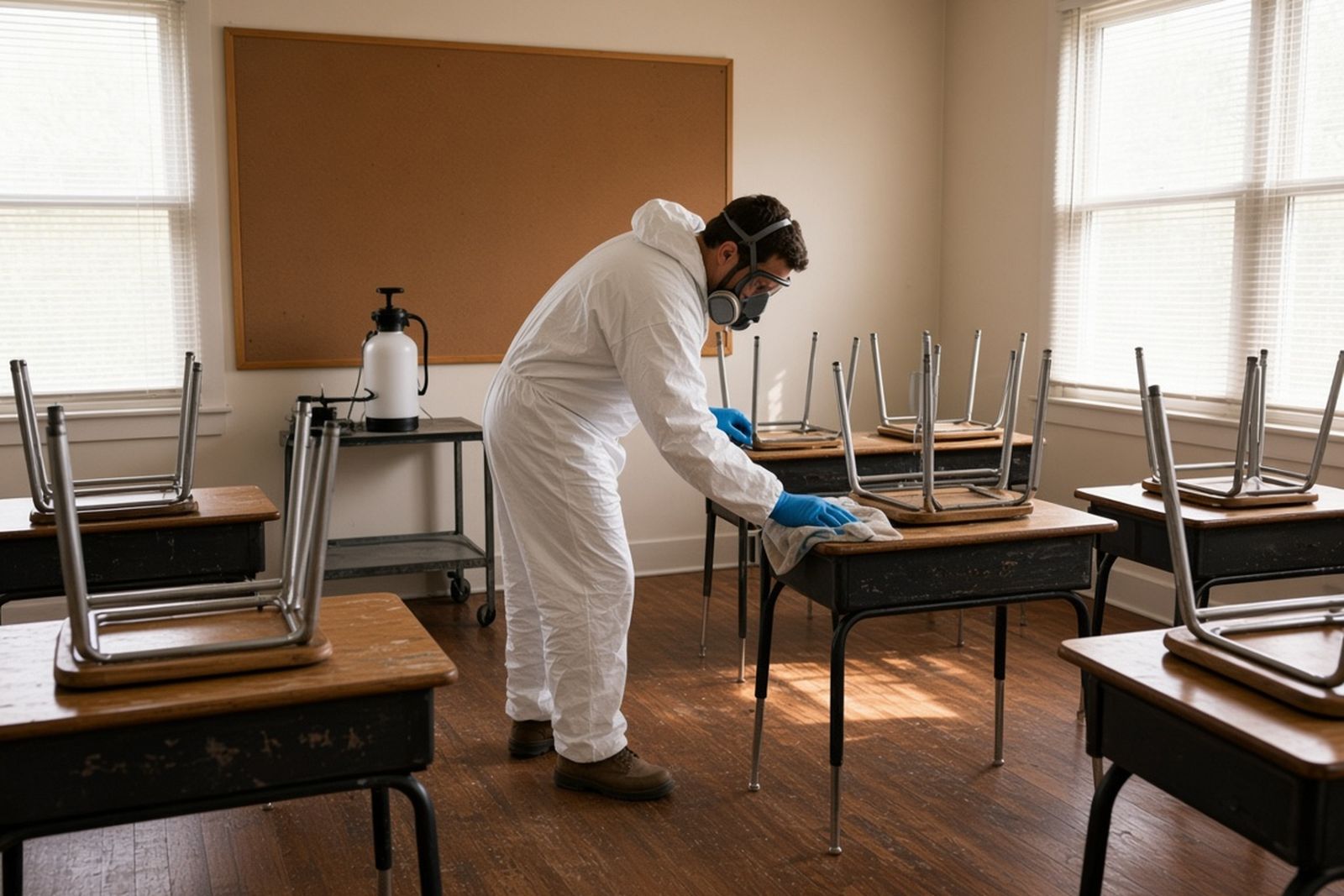
Many San Jose employers already run hybrid schedules across large campuses. So planning who is in the building matters as much as the product. If people keep using the same keyboards and fridge handles during a disinfection pass, treated surfaces get re-soiled within hours. Keep zones empty for the wet time and reopen them one at a time. Bring in outside air within the label and safety data sheet (SDS) limits. Inland valley heat often keeps windows closed and the HVAC recirculating. That slows how fast smells clear.
Some San Jose offices and home offices hold gear people call "lab gear." Wiping desks and bathrooms is not the same as making medical tools or lab safety cabinets sterile. CDC has a guide for clinics on that kind of work. It is not the bar for a home. Now and then a bad cut in a shop space leaves blood or other body fluids that can carry disease on the floor. When that happens, OSHA's rules on blood may apply to the boss and the crew.