West · US

Infectious Disease Disinfection Planning in Beverly Hills, CA

Planning infectious disease disinfection in Beverly Hills, CA

Disinfection planning for Beverly Hills estates. Map private elevators, gate keypads, and staff pantries first. Plan drapes and fabrics as a separate step. This is planning guidance, not a claim of a local office or crew in Beverly Hills.

Get an email reply about infectious disease disinfection

Send a short message to the follow-up inbox. A coordinator can reply by email. This form does not send emergency help; call 911 first if anyone is in danger.

Tell us what you need help with. Share a short description; please leave out medical details, access codes, and other sensitive information.

A request does not confirm a booking. For immediate danger, contact local emergency services.

Or email info@prompartybuses.com

Direct answer

The short answer for Beverly Hills, CA

Beverly Hills estate homes, concierge residences, and private offices need a plan that treats cleaning and disinfecting as two steps. Match each EPA-registered product label to the germ you are worried about. Record how long surfaces stayed wet. Don't treat List N as a list for every germ, and don't accept promises of a sterile home.

Editorial guide · Biohazard Remediation NetworkUpdated 2026-07-22Location focus: Beverly Hills, CA

Local planning context

Beverly Hills homes often mix big hard-surface areas with lots of fabric and soft furnishings. Think guest suites, private elevators, and wine rooms with door hardware that gets handled often. Staff hallways also link the kitchen, laundry, and living areas. After illness spreads in the household, or after an exposure in a shared building, ask three things. Which surfaces were touched most while someone was contagious? Which materials can handle the disinfectant on the label? Which soft items should be washed, set aside, or replaced instead of fogged where they sit? The coastal Los Angeles Basin air and closed-window climate control can trap chemical smells. Plan fresh air and a safe time to come back in after products go on.

Many Beverly Hills addresses sit inside condo buildings or gated communities. Any notice about illness there should stick to facts and never blame anyone. Building managers and household staff need a written line between a home disinfection plan and a hospital-style deep clean, which only applies inside a regulated clinic. The Los Angeles County Department of Public Health shares infection-prevention tips for facilities and group living settings. Those tips back up using EPA-registered products for the full contact time. They do not turn a luxury home into a sterile clinic. Keep everyday home risk reduction separate from the programs licensed health care must run.

Rodeo Drive and the nearby office suites see a different kind of traffic. Visits are short, restrooms are shared, and many hands touch reception desk hardware between appointments. For those spaces, map the most-touched spots first. Clean restrooms in order, from the dirtiest area to the cleanest. Keep rooms empty long enough for the disinfectant to stay wet for the full time on the label. Scent machines and fogging while people are inside are not a substitute. If blood or other body fluids that can carry disease are present, OSHA bloodborne pathogen rules may apply to workers. For ordinary colds and flu, surface work still starts with cleaning and then follows the label, not a sterilization certificate.
Property considerations

Mark private elevators, gate keypads, remotes, and staff pantry handles as high-touch. Decorative surfaces that few people touch can wait unless they look dirty.

List fabric items, such as drapes, padded headboards, and throw pillows, that may need washing or setting aside. Hard-surface disinfectant labels don't cover them.

Keep kitchen food-prep surfaces separate from other hard surfaces so you follow the label's limits on where to use it and when to rinse.

Plan air flow through the HVAC and any windows that open. People should come back only after the label's drying time, never while surfaces are still wet.

Be clear whether the job is a private home, a shared amenity, or an office suite. Hospital deep-clean rules don't apply on their own.

Sketch how people move through the guest suites and staff hallways. Then notices and the reopening order will match real traffic in the house.

Response-planning framework

Name the germ concern before you pick a product

Start with what you know. It may be a confirmed diagnosis, a stomach bug with vomiting or diarrhea, or a general cold or flu exposure. Pick products by their EPA registration and the germs printed on the label. EPA List N is a public list of products for the virus that causes COVID-19, used as directed. It is not a master list for every kind of bacteria, spore, or tougher virus. If a clinician raises C. diff or another spore-forming germ, ask for a product whose label makes a spore claim. Don't assume a List N product is enough. Even then, a home plan should never promise a sterile house.

Clean off dirt first, then keep the disinfectant wet

CDC advice for homes and community buildings says to clean away dirt and grime before you sanitize or disinfect. Grime can shield germs from the product. In a Beverly Hills estate, that means dealing with bathroom soil, kitchen film, and visible body-fluid spots before any wipe or spray. Keep each surface wet for the full contact time on the label. Wiping it dry too soon is a common mistake. Electrostatic sprayers and foggers don't replace cleaning, and they don't make a building sterile.

Plan who stays out, fresh air, and notices

Keep treated rooms empty so no one touches wet surfaces before the time is up. Work with household staff, vendors, and building access so doors stay shut during that time. Air out the space as the label and safety data sheet (SDS) direct. Notices to neighbors or building managers should list closed areas and when they should reopen. They should also say that doctors and public health officials, not the cleaning vendor, handle diagnosis. Never name the person who was sick.

Agree on what proof you'll get before work starts

Proof may include product names, EPA registration numbers, rooms treated, how long the disinfectant must stay wet and how long it did, and photos of the prep work. A residue swab test can show leftover organic grime on a few high-touch spots. It does not detect germs, and it does not prove anything was sterilized. A door-hanger certificate is not proof that every germ is gone. Keep records a risk manager or insurer can use. Don't let anyone invent lab clearance results the job never included.

Documentation checklist

  1. 1Written germ concern and property type (home, amenity, or office suite). No health care claim unless the site is a regulated clinic
  2. 2Room-by-room map of high-touch surfaces, with fabric items left out
  3. 3EPA registration numbers and labels showing the germs listed and contact times
  4. 4Cleaning steps finished before any disinfectant went on
  5. 5Start and stop times for each wet period, and a note that surfaces stayed wet the full time
  6. 6Fresh-air steps and written return times based on the label and SDS
  7. 7Waste notes when heavy soil or body fluids were removed
  8. 8Log of plain, factual notices to building managers or the household, with no medical advice

Official resources

Questions for this location

Does EPA List N mean a Beverly Hills home can be declared free of every infectious disease after one treatment?

No. EPA List N names disinfectants for the virus that causes COVID-19 when used as the label directs. Being on the list is not an EPA endorsement of any vendor. It also doesn't mean the same product is labeled for norovirus, C. diff spores, or any other germ your household or office may worry about. Good surface work still means cleaning off dirt first and matching the label to your real concern. The surface must stay wet for the full contact time. Disinfecting lowers risk on treated hard surfaces. It does not sterilize the air, fabrics, or people. Beverly Hills estates mix many materials, so write down what was treated and what was left out. Don't accept a statement that the building is sterile.

How should cleaning and disinfection be sequenced after illness in a large Beverly Hills residence?

First remove or contain heavy soil and anything you can see. Then clean with soap or detergent and some scrubbing so film and grime can't shield germs. Only after that should an EPA-registered disinfectant go on hard, non-porous surfaces. Its label should list the germ you are concerned about. Keep those surfaces wet for the contact time printed on the label, because wiping early undoes the work. Fabrics may need a hot wash if the care tag allows it. If they can't be cleaned well, set them aside or replace them. Air out the rooms and follow the written return time. These steps follow CDC advice for homes and community buildings. No one should sell them as hospital sterilization.

What is the difference between a residential disinfection scope and a healthcare terminal clean near Beverly Hills medical corridors?

Licensed clinics and hospitals run infection-prevention programs. They follow rules for cleaning medical devices, and they often use CDC health care guidance for instruments and room surfaces. A private home or office is a community setting. There, the goal is to lower risk on surfaces with labeled products, not to create a sterile clinic. Don't bring "hospital-grade fog" sales talk into a home without reading the label's use sites, surface types, and germs listed. If a clinic rents space in a mixed-use building, keep its regulated duties separate from the homes. Workers who contact blood or other body fluids that can carry disease still need an OSHA bloodborne pathogen plan.

How should building or HOA notices describe an outbreak-related disinfection project without stigmatizing residents?

Stick to facts. Say which floors or amenity rooms are closed and when they must stay empty so the product can work. Give the expected reopening time based on the label's return directions. Don't share names, diagnoses, or graphic details. Explain that surface cleaning is one step among several. Handwashing, keeping sick people home when doctors or public health advise it, and fresh air also matter, and nothing guarantees no future illness. Point worried residents to the Los Angeles County Department of Public Health or the California Department of Public Health. Keep vendor records in the property file, apart from public notices. That way risk managers can check products and timing without turning private health news into hallway gossip.

What verification is realistic after disinfection of high-touch surfaces in a Beverly Hills property?

Realistic proof is a packet of records. It should list EPA registration numbers, and lot or batch numbers when available. It should show the rooms and surface types treated, proof that cleaning came first, and timed wet periods. Add photos of the prep work and written return instructions. A residue swab test can flag leftover grime on a few handles or counters. A low reading does not detect germs and can't certify that anything is sterile. Lab cultures of surfaces are rarely needed after a routine illness at home. Without a clinician or infection-prevention program guiding them, they are easy to misread. Turn down any certificate that says the property is germ-free forever. Regular cleaning and handwashing still matter after any one job. Estate managers should also keep SDS sheets for staff to review. Note whether private elevators were taken out of service during the wet period. Record any guest-suite fabrics that were washed or set aside, since hard-surface labels don't cover them.

How should household staff in a Beverly Hills estate split duties when one family member is sick?

If you can, assign one staff member to the sick person's suite and bath. Keep that person off kitchen and pantry duty until the illness passes. Give them their own gloves, cloths, and laundry bags. That keeps dirty linens from traveling down the service hallway with clean ones. The rest of the team can keep up normal cleaning elsewhere. Write the plan down, because rotating shifts and part-time staff make spoken plans easy to lose.

What should a Beverly Hills owner ask before letting a vendor fog a wine room or art-filled space?

Ask for the product label first. Check whether fogging is a listed way to apply it, and whether the label warns about finishes, fabrics, or metals. Moisture and chemicals can harm wine rooms, gallery walls, and antique furniture. Fogging also doesn't replace cleaning the door handles and light switches people actually touch. If the label is vague, wipe the high-touch hardware by hand and leave the collections alone. Check with your art or wine insurer before any product goes near stored items.

Contact

Get help by email

Send a short message for an email reply about infectious disease disinfection planning questions for the Los Angeles area.

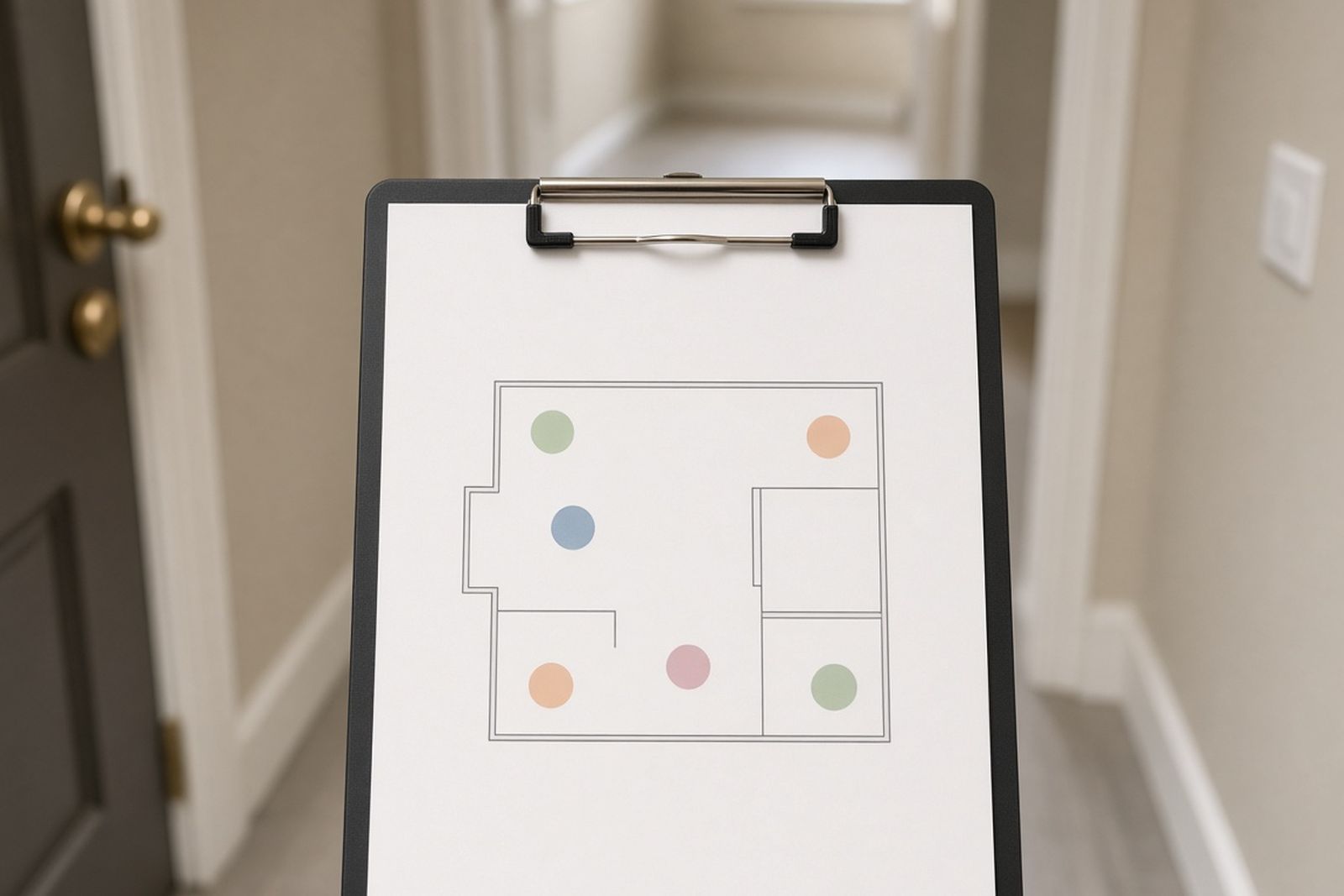
Clipboard showing a room plan with color-coded dots marking high-touch surfaces
Illustrative photo, not a job record. Clipboard showing a room plan with color-coded dots marking high-touch surfaces.
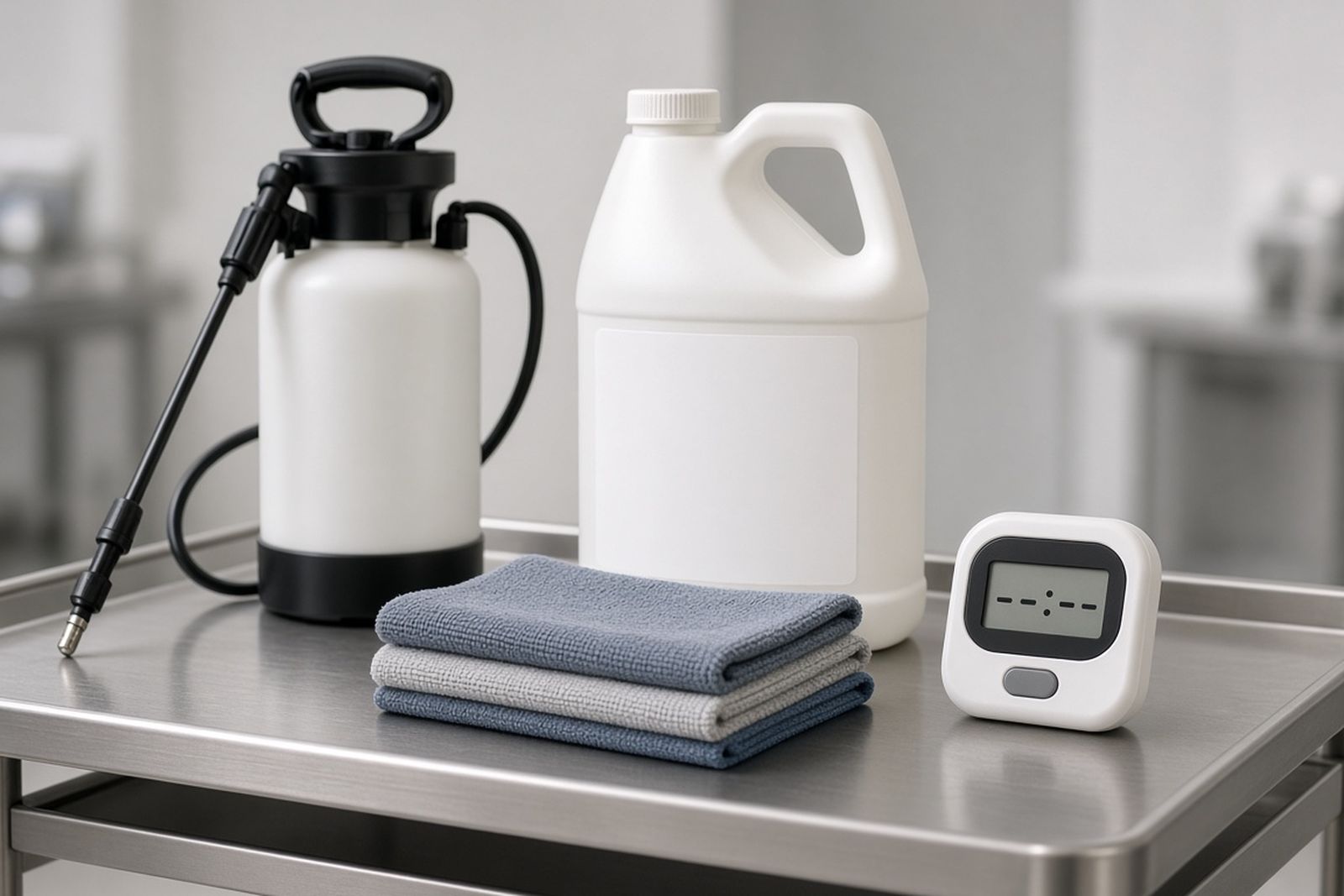
Pump sprayer, disinfectant jug, folded cloths and a contact-time timer on a steel cart
Illustrative photo, not a job record. Pump sprayer, disinfectant jug, folded cloths and a contact-time timer on a steel cart.

Infectious Disease Disinfection figures to keep in mind

National and research figures, not Beverly Hills data. Local conditions, rules and providers vary; use these for scale and context only.

98.1%

Manual wiping met the study's disinfection-success criterion on 98.1% of surfaces versus 75.5% for UV-C.

Read with care: Specific device, protocol and success criterion; no patient infection endpoint.

Source: Knobling et al. (2023)Naturally contaminated surfaces in a comparative field test.

81%

81% reported bleach use on high-touch surfaces in contact-isolation rooms.

Read with care: 47 of 273 contacted participated; practices were reported rather than observed.

Source: Han et al. (2021)47 US hospital environmental-services respondents across 26 states; 2019 survey.

8

Products above pH 8 accounted for 74% of failures in the experiment.

Read with care: Accelerated test conditions; not a failure rate for installed equipment.

Source: Jennings et al. (2024)Eight wipe formulations tested on healthcare plastics under fixed strain for seven days.

These figures are public research and agency data, not this network's own job records. Keep each number with its population, year and limits; none of them predicts cost, timing or outcome at a specific property.

Plan before you reach out

Use the first 24 hours planner for immediate steps and the provider vetting checklist to confirm any Beverly Hills provider's training, insurance and waste path in writing.

What research has found

Findings from published studies of people and properties in situations like this one. They describe what researchers observed in a specific group; they are not predictions for your case.

All tested formulations contained agents capable of environmental stress cracking.
Who was studied: Eight wipe formulations tested on healthcare plastics under fixed strain for seven days.Limits: Accelerated test conditions; not a failure rate for installed equipment.Chemical resistance testing of plastics: compatibility of detergent and disinfectant pro… (2024)
Both methods reduced cultured bacterial contamination.
Who was studied: Naturally contaminated surfaces in a comparative field test.Limits: Specific device, protocol and success criterion; no patient infection endpoint.Superiority of manual disinfection using pre-soaked wipes over automatic UV-C without pr… (2023)

Infectious Disease Disinfection community polls

Poll results

Every count is a real visitor vote; nothing is seeded or padded. One vote per poll per device, and you can change your answer.

Your experience

When your facility had an illness cluster, how did you handle cleaning?

No visitor votes yet
Process

How did you decide whether to close all or part of the facility?

No visitor votes yet

Planning cleanup in Beverly Hills?

Send a short message about the property to the follow-up inbox. A coordinator can reply by email with next steps.

Your request is sent to the follow-up inbox. A coordinator can reply by email.

If anyone is hurt or in danger, call 911 first.