Why do subterranean garage lobbies deserve attention after a condo illness report?
In many hillside buildings, every trip passes the same garage elevator lobby, call panel, and package nook before residents reach their floors. Those spots get far more hand contact than living-room decor. Close the lobby, or reopen it in stages. Leave time for detergent cleaning where there's grime, and for the labeled wet time on hard hardware. Don't assume wiping a unit upstairs took care of the garage path. Share the reopening time plainly without naming residents. Remember that surface work doesn't sterilize the building.
Can fogging a boutique office replace wiping reception pulls and restroom fixtures?
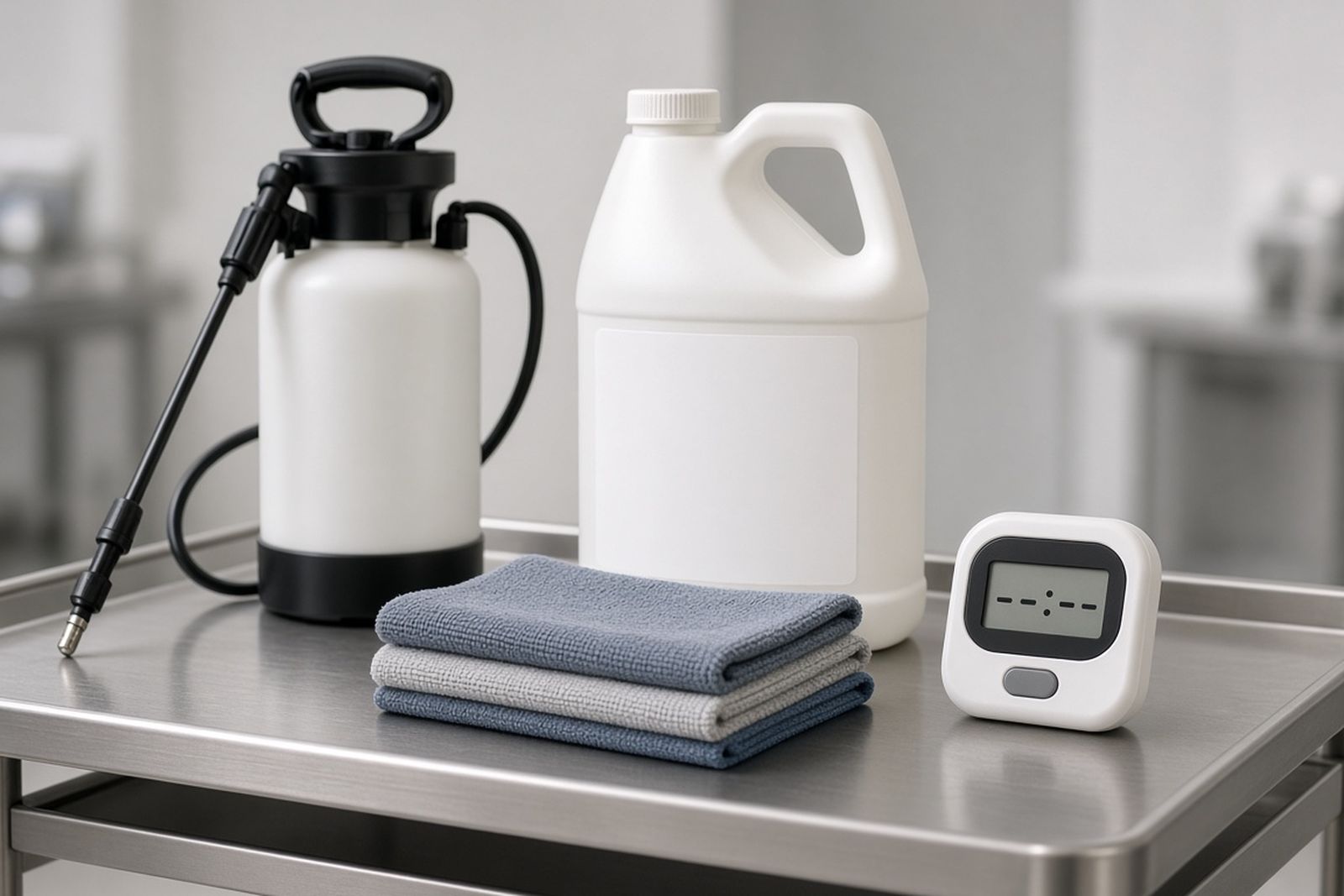
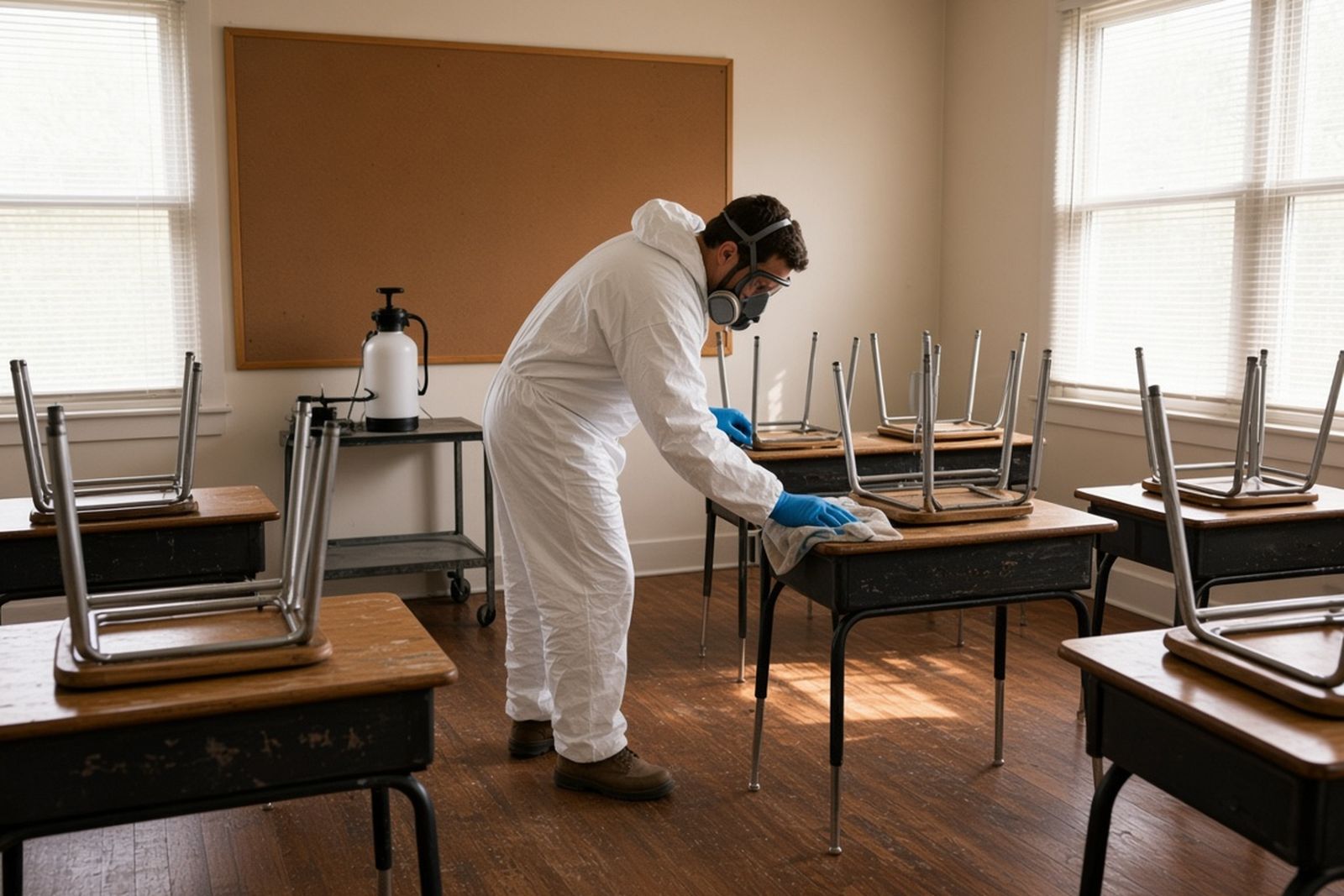
No. A mist drifting through a small Prospect Street office won't scrub handprints off a reception door pull or grime around a restroom faucet. Many printers, tablets, and card readers aren't meant to be fogged. Close the suite. Wipe the door pulls, counter, and restroom fixtures clean. Then apply a labeled disinfectant with a cloth and keep it wet as directed. Reopen once the label says staff and clients may come back.
How should HOAs describe institute cleaning without implying condo sterilization?
Write the HOA notice about the condo's own spaces and nothing else. Say which garage elevator, pool gate, or lobby was cleaned and when it reopens. If a nearby research institute or clinic cleaned its labs, that's its own business. It doesn't mean the condo was sterilized. Residents who ask what products were used can get the label or safety sheet. Leave any mention of who was sick out of the notice entirely.
What belongs in a verification packet after cove-condo high-touch work?
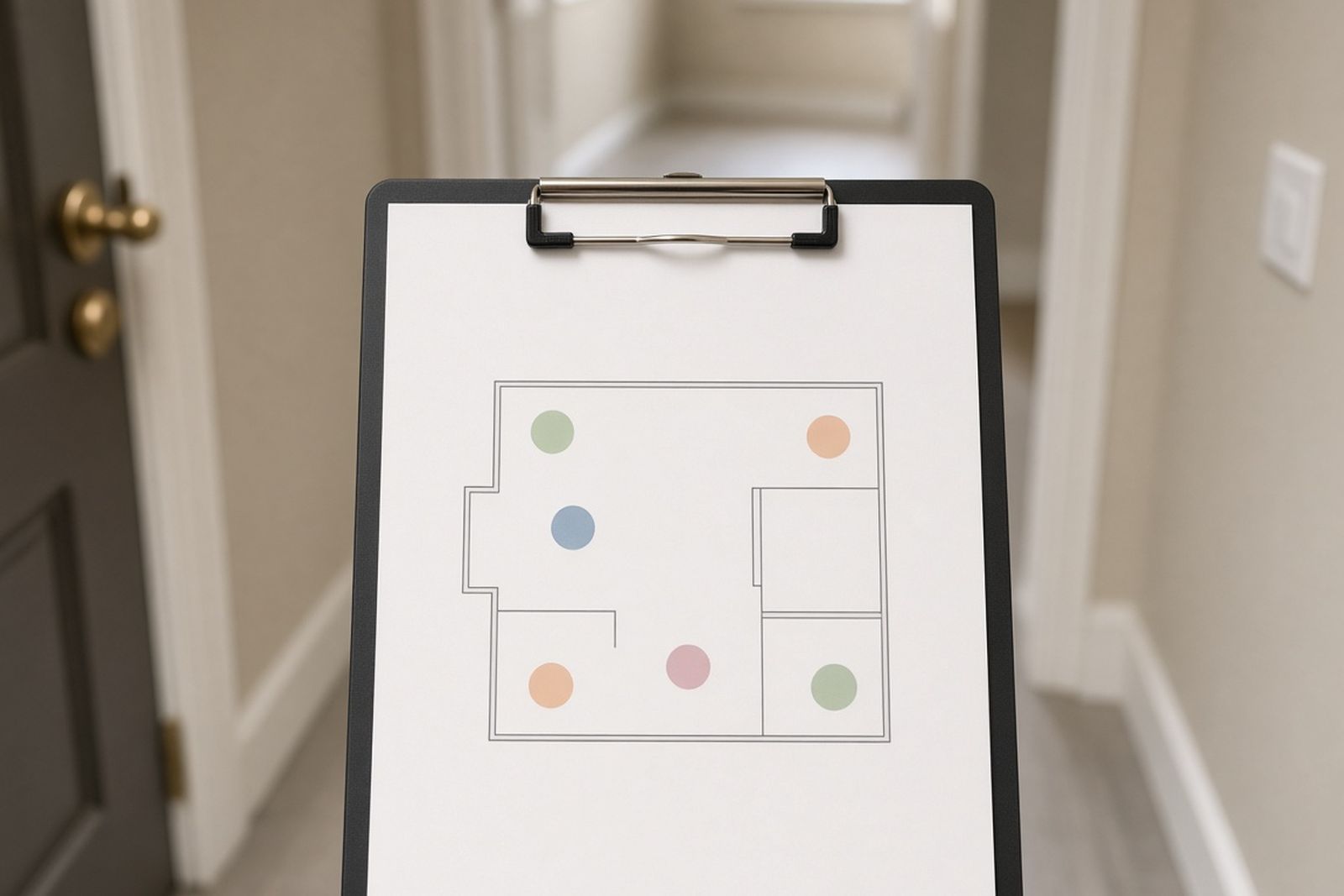
Keep a short, honest file. List which garage lobbies, elevators, and amenity rooms were cleaned, which products were used and for how long, and when each space reopened. A few photos of the setup help if the board asks later. A cove condo is never germ-free for good. If a space like the rooftop deck was left out, say so plainly so no one assumes it was done.
Do outdoor cushions dragged indoors after a beach day get the same disinfectant claim as tile?
Usually not. Hard-surface disinfectant labels apply to the non-porous surfaces they list. Woven outdoor cushions, throws, and similar soft items usually need a fabric-safe wash, temporary removal, or a cover. A spray sold for tile and chrome isn't the answer. Write that decision into the plan before work starts. Then owners won't assume a fog pass took care of porous materials. Pair fabric handling with bathroom grime cleaning and honest germ claims on the hard-surface products.
How should a La Jolla condo owner coordinate cleaning with an HOA after a sick guest stayed over?
Clean your own unit first. Wash the bathroom and kitchen with detergent, then disinfect handles, remotes, and taps. If your guest used the garage elevator, pool, or gym, let the HOA manager know a guest was ill. Don't share their name or diagnosis. The HOA decides how to handle common areas. Ask when those areas will be cleaned so you can pass the reopening time to any visitors. Keep your own simple record of what you cleaned and when.
Can a La Jolla boutique reopen fitting rooms the same day after a customer was sick in one?
Close the affected fitting room and the nearest restroom. Clean up any mess with detergent. Then disinfect the bench, hooks, mirror edges, and door pull with a labeled product. Keep the room closed until the contact time and any return directions have passed. Other fitting rooms can stay open if no sick person used them. Set aside the garments the customer tried on for a few days, or wash or steam them per their care labels, before they go back on the floor.