Direct answer
The short answer for San Diego, CA
San Diego convention hotels, busy naval-family housing, and bay-side pools need outbreak plans that keep quick housekeeping apart from real disinfection. Match the product to the germ. Keep cabana latches closed through the label's wet time. Say no to sterile-air sales pitches, even with a tour bus waiting.
Editorial guide · Biohazard Remediation NetworkUpdated 2026-07-22Location focus: San Diego, CA
Local planning context
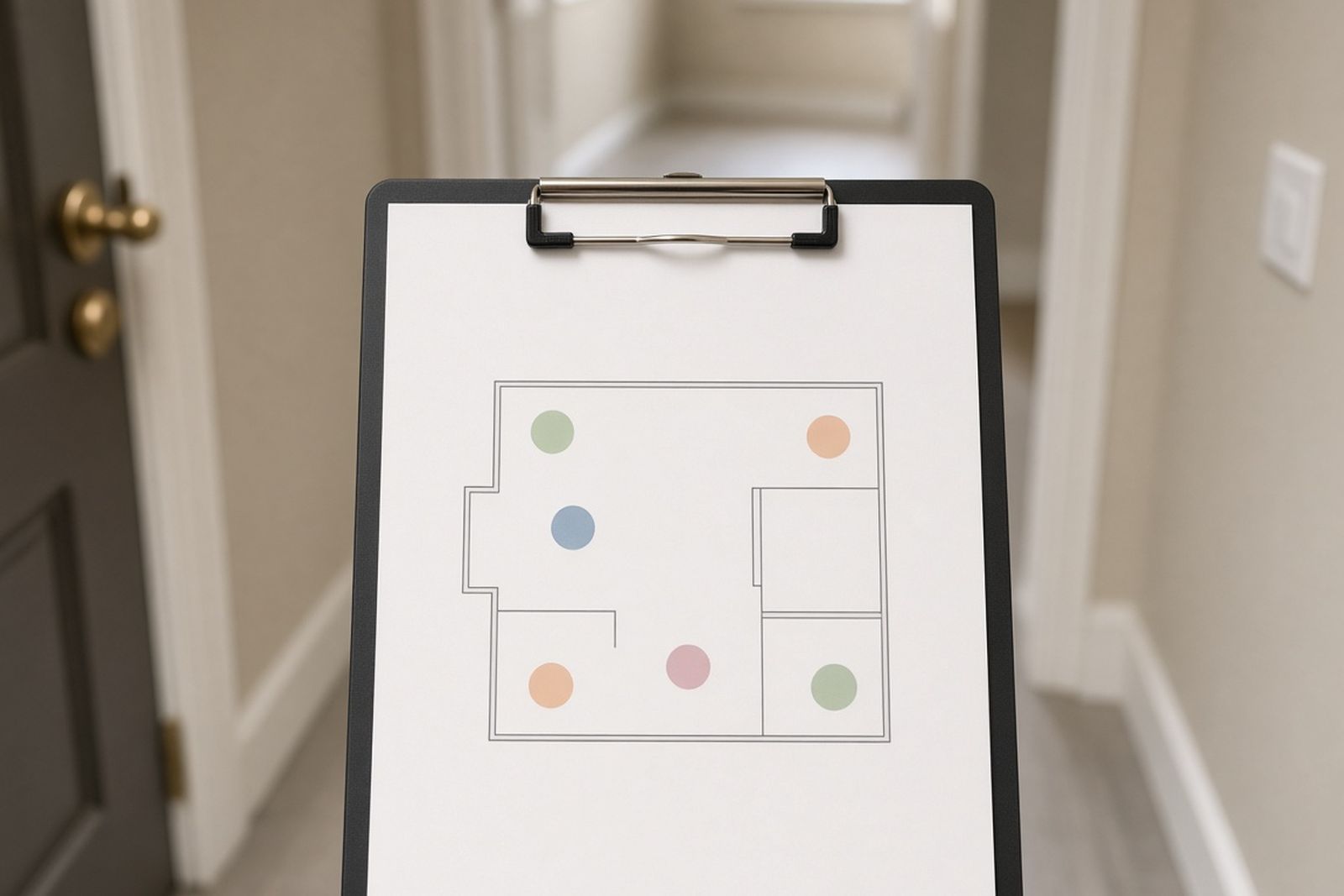
Convention crowds, bay promenade tourists, and naval-family neighborhoods put pool latch plates in the spotlight. Cabana restrooms, ice-machine switches, and community-center taps come next, long before anyone wipes a single bedroom. Warm weather outside doesn't change the recirculated hallway air inside. Chemical smells can still linger after treatment. So base the reopening time on the product's SDS, not on the next shuttle drop-off. For wording a plain closure notice at a bayfront hotel, managers can lean on the County of San Diego Health and Human Services Agency. It doesn't certify hotels or condo pools as sterile.
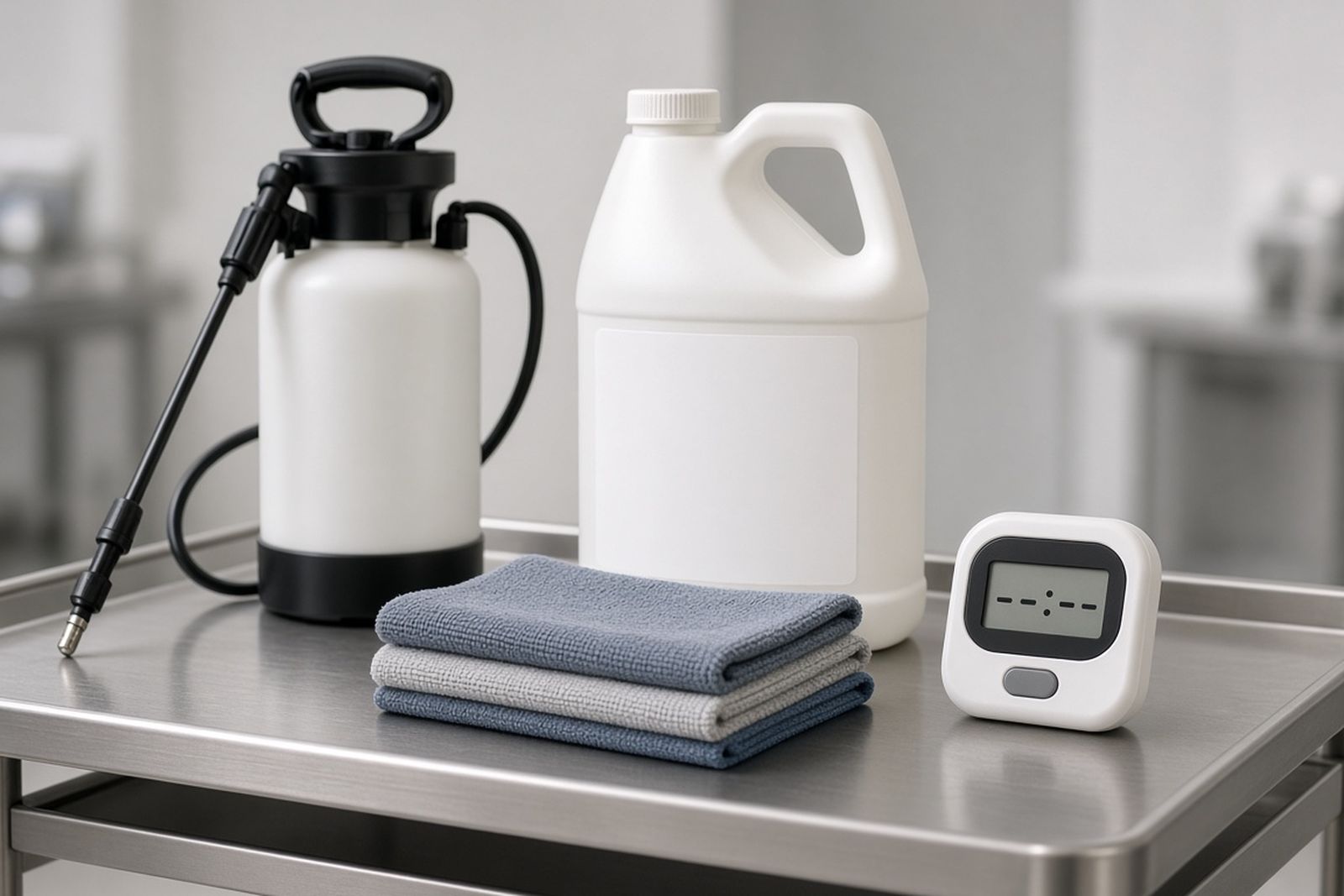
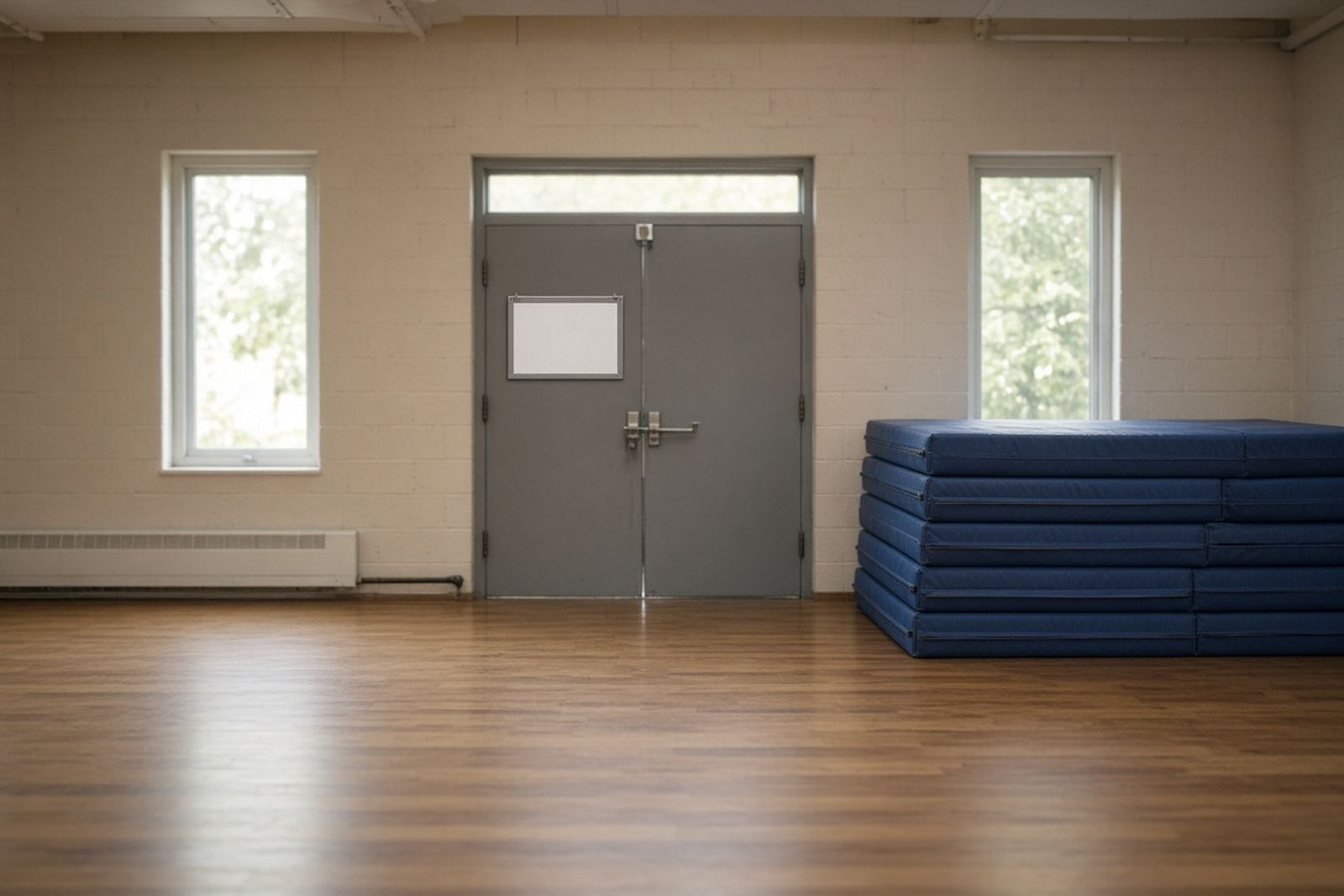
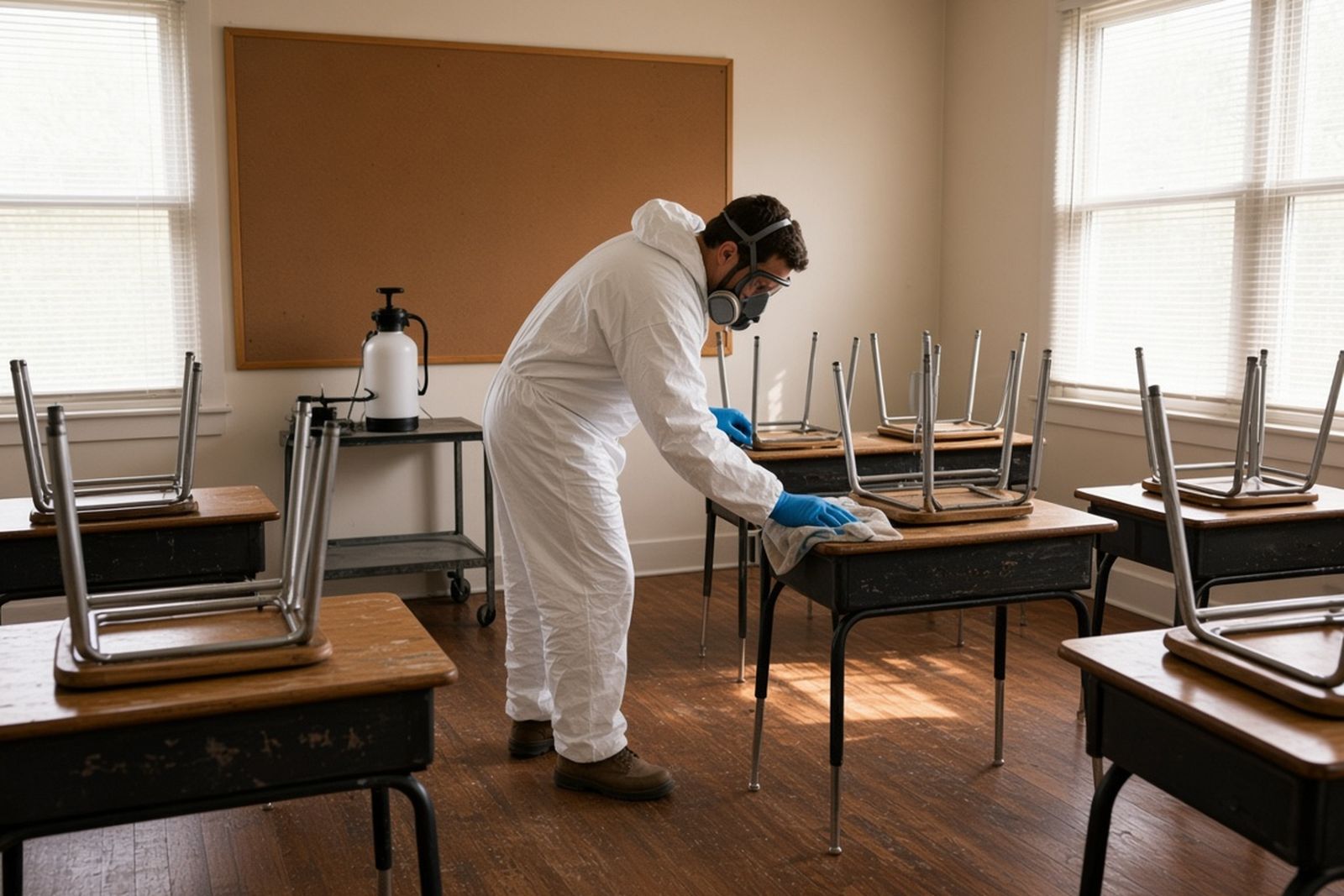
Brand standards reward speed. Pillowcases get changed, bathrooms get wiped, and scent machines keep running. That's room turnover, not an outbreak response. Outbreak work still needs detergent to remove grime and EPA-registered products matched to the illness. Labeled hard surfaces must stay wet for the full time, with rooms kept empty until then. Soft cabana pads, blackout drapes, and gym mats need washing or should be left out. A deck mist doesn't cover them.
Military moves and visiting relatives bring a rush of hands onto fridge handles, shared washers, and restrooms near playgrounds over a few crowded days. CDC community hygiene materials treat those spaces as clean-then-disinfect places, not as sites for medical-device sterilization. Nearby outpatient clinics handle their own infection-prevention duties. Even in ordinary lodging or barracks-style housing, a crew may come across blood or other body fluids that can carry disease. OSHA's blood rules then set the crew's steps.