Northeast · US

Infectious Disease Disinfection Planning in Southampton, NY

Planning infectious disease disinfection in Southampton, NY

Southampton seasonal home disinfection planning. Covers turnover gaps, EPA labels, List N limits, how long surfaces stay wet, and honest booking choices. This is planning guidance, not a claim of a local office or crew in Southampton.

Get an email reply about infectious disease disinfection

Send a short message to the follow-up inbox. A coordinator can reply by email. This form does not send emergency help; call 911 first if anyone is in danger.

Tell us what you need help with. Share a short description; please leave out medical details, access codes, and other sensitive information.

A request does not confirm a booking. For immediate danger, contact local emergency services.

Or email info@prompartybuses.com

Direct answer

The short answer for Southampton, NY

Southampton's peak season brings Friday-to-Sunday rental turnover, oceanfront pool pavilions, and catered weekends. Plans should use the empty midweek days as a tool. Match EPA labels to what made guests sick. Refuse sterile-Hamptons certificates between guest stays.

Editorial guide · Biohazard Remediation NetworkUpdated 2026-07-22Location focus: Southampton, NY

Local planning context

Rental agency calendars fill houses from Friday check-in to Sunday checkout. Then comes a midweek rush to reset for the next group. Outdoor showers, pool-house baths, and catering islands see the most hands. After a sick weekend, list the baths and linens that were used. Decide whether outdoor cushions get washed or set aside. Say whether the pool pavilion is part of the job. The Suffolk County Department of Health can support factual notes to owners. It doesn't hand out sterile clearance for a beach house.

Saturday key pressure shrinks outbreak work into a quick scent-and-linen flip. Ocean-facing drapes, outdoor cushions, and guest bedding usually fall outside hard-surface germ claims.

Staff cottages, landscape crews, and caterers use side doors that skip the foyer. Include gate keypads, outdoor fridge handles, and pool-house switches if those spaces were used. A cut or fall that leaves blood, or other fluid that can spread infection, may call for OSHA's blood rules for the crew. CDC hospital sterilization guidance doesn't clear a rental house for Saturday check-in.
Property considerations

Map outdoor showers, pool-house baths, catering islands, and gate keypads first.

Scope each Southampton structure on its own row: house, pavilion, cottage.

Decide whether outdoor cushions and guest bedding get washed or set aside before any product goes on.

Keep rooms empty through the labeled wet time, even with Saturday key pressure.

Catering islands where food is plated may need a rinse after disinfecting; pool-house switches do not.

Log the side doors caterers and landscapers used during the sick weekend.

Response-planning framework

Use the empty midweek days for wet time, not slogans

Empty midweek days help only if rooms stay closed and surfaces stay wet for the labeled time. An empty house is not a sterile one. Write down the illness pattern from the owner or manager without diagnosing guests. Pick EPA-registered products whose labels name the germ tied to the sick weekend. List N is for COVID-19 when you follow directions. A stomach bug that swept a weekend party may need other claims.

Clean up after the weekend before any product

Bath grime, kitchen film, and visible body-fluid spots come first. Wiping surfaces dry early for a Saturday arrival undoes the work. Fogging hallways in humid ocean air doesn't sterilize soft items.

Let the rental calendar set the reopening time

The next renters wait until every beach-house surface finishes its timer. Give house managers and vendors one written clock. Air out as the SDS directs. Humidity can change how dry a surface feels, but it doesn't shorten the required wet time. Owner notices should name closed buildings and reopening times, not guests.

Seasonal records for owners and insurers

Swabbing the catering island? Grime only. List outbuildings that were left out, so no one reads a pavilion invoice as whole-estate treatment.

Documentation checklist

  1. 1What the renters or agency reported about the sick weekend
  2. 2List of the main house, pavilion, and staff cottage in the plan
  3. 3EPA registration numbers and germ claims
  4. 4Proof of detergent cleaning first
  5. 5Timed wet periods matched to rental blocks
  6. 6Washing decisions for outdoor cushions and guest bedding
  7. 7Return instructions for house managers
  8. 8Waste notes when vomit was removed

Official resources

Questions for this location

If illness stayed in the pool pavilion, must the oceanfront main house be fogged?

Not automatically. Follow where the sick guests actually went: the outdoor shower, catering island, pool-house bath, and laundry room. Clean and treat those. Don't call the oceanfront main house sterile because the pavilion was treated. But don't skip a shared outdoor fridge either. List what was and wasn't done. Choose a product labeled for the illness, instead of assuming any List N bottle will do.

Can Saturday check-in proceed after a Friday-night spray?

Only if the house sat empty for the full wet time and return period on each product's label. And only for surfaces cleaned before disinfecting. Spraying while linens are still being changed doesn't count. Block the rental calendar long enough to do it right, even if check-in runs later. Keep product names and times in the owner file. Don't tell arriving guests the house was sterilized.

How should peak-season owners use List N after a COVID-19 weekend?

Use List N to confirm a product is listed for COVID-19. It says nothing about the stomach bugs a crowded summer house can also pass around. Pair the product with detergent cleaning, an empty house during the wet time, and open windows before the next group arrives. Medical decisions stay with doctors and the Suffolk County Department of Health. Record the treated zones and the outdoor cushions set aside.

Does ocean humidity shorten required wet contact time?

No. Humidity can change how dry a surface feels. It doesn't shorten the label's contact time. Keep surfaces wet the full time, even if they feel tacky longer. Don't wipe dry early to make a rental arrival. Outdoor cushions may need extra drying or setting aside. Write down the clock you used. Salt air doesn't turn List N into a list for every germ.

What should a rental manager archive between stays?

Keep a simple record for each stay that involved illness. List the products used, rooms and outdoor areas treated, wet times, laundry handled, and the time the house reopened. A few photos of the setup help. Swab numbers only reflect film. Don't file any certificate promising the house is germ-free. Keep guests' names and health details out of the record.

How should a Southampton rental manager handle a pool after guests reported a stomach illness?

Pool water is handled with water chemistry, which is different from surface disinfection. Tell your pool service about the illness report. They can check chlorine levels and follow any extra steps they use for such cases. Separately, clean and disinfect the pool gate latch, ladder rails, outdoor shower handle, and pool-house bath fixtures. If several guests got sick, the county health department can advise whether the pool may be involved.

What should a Southampton owner do with beach towels and outdoor linens after a sick weekend?

Gather all towels, robes, and cushion covers into bags without shaking them out. Wash them on the warmest setting the fabric allows and dry them fully in a dryer. Wipe the laundry room machine doors and buttons after loading. Some items can't be washed, like certain outdoor cushions. Set those aside for several days or have them professionally cleaned. Put out fresh linens for the next guests only after the house has been cleaned.

Contact

Get help by email

Send a short message for an email reply about infectious disease disinfection planning questions for the New York City area.

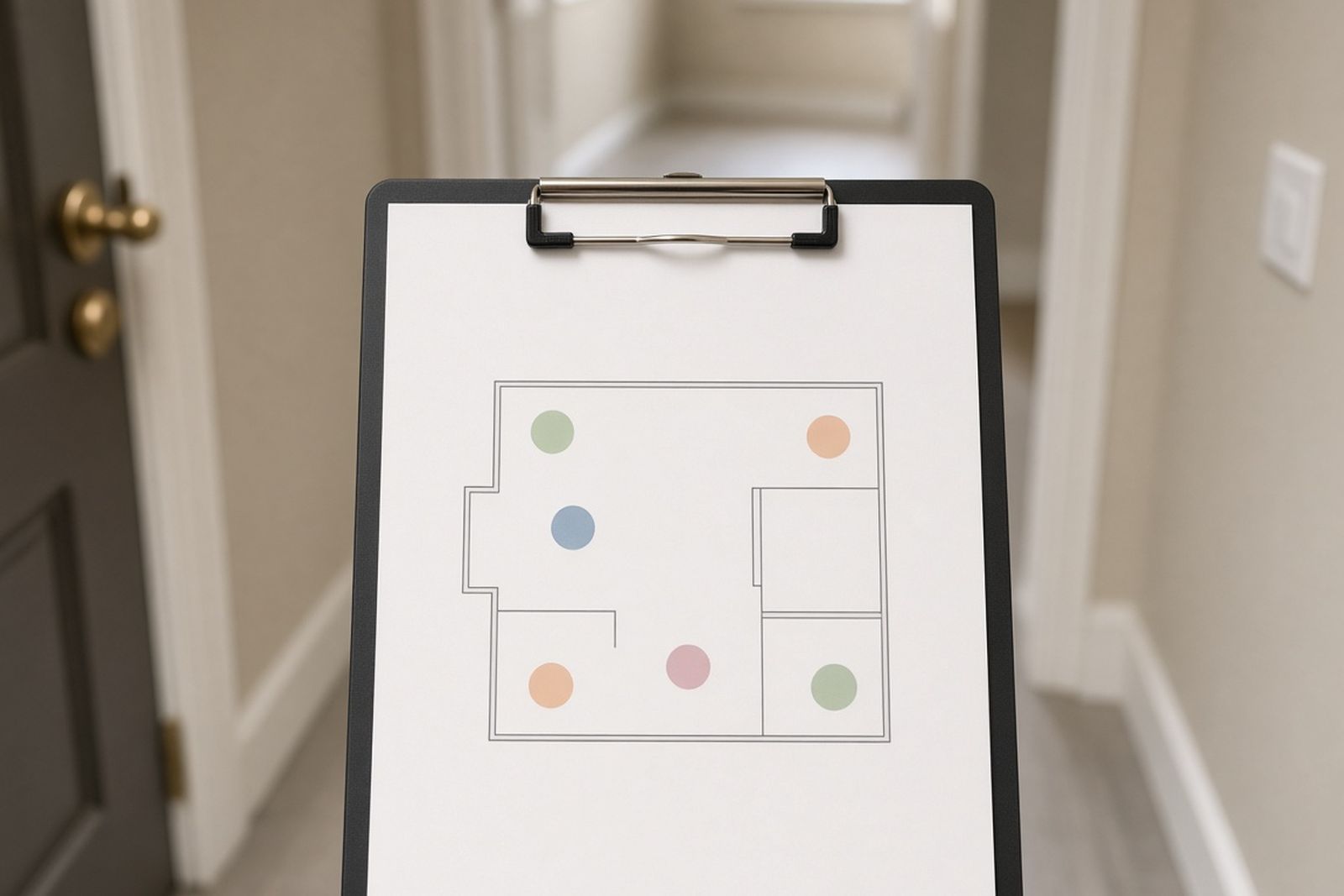
Clipboard showing a room plan with color-coded dots marking high-touch surfaces
Illustrative photo, not a job record. Clipboard showing a room plan with color-coded dots marking high-touch surfaces.
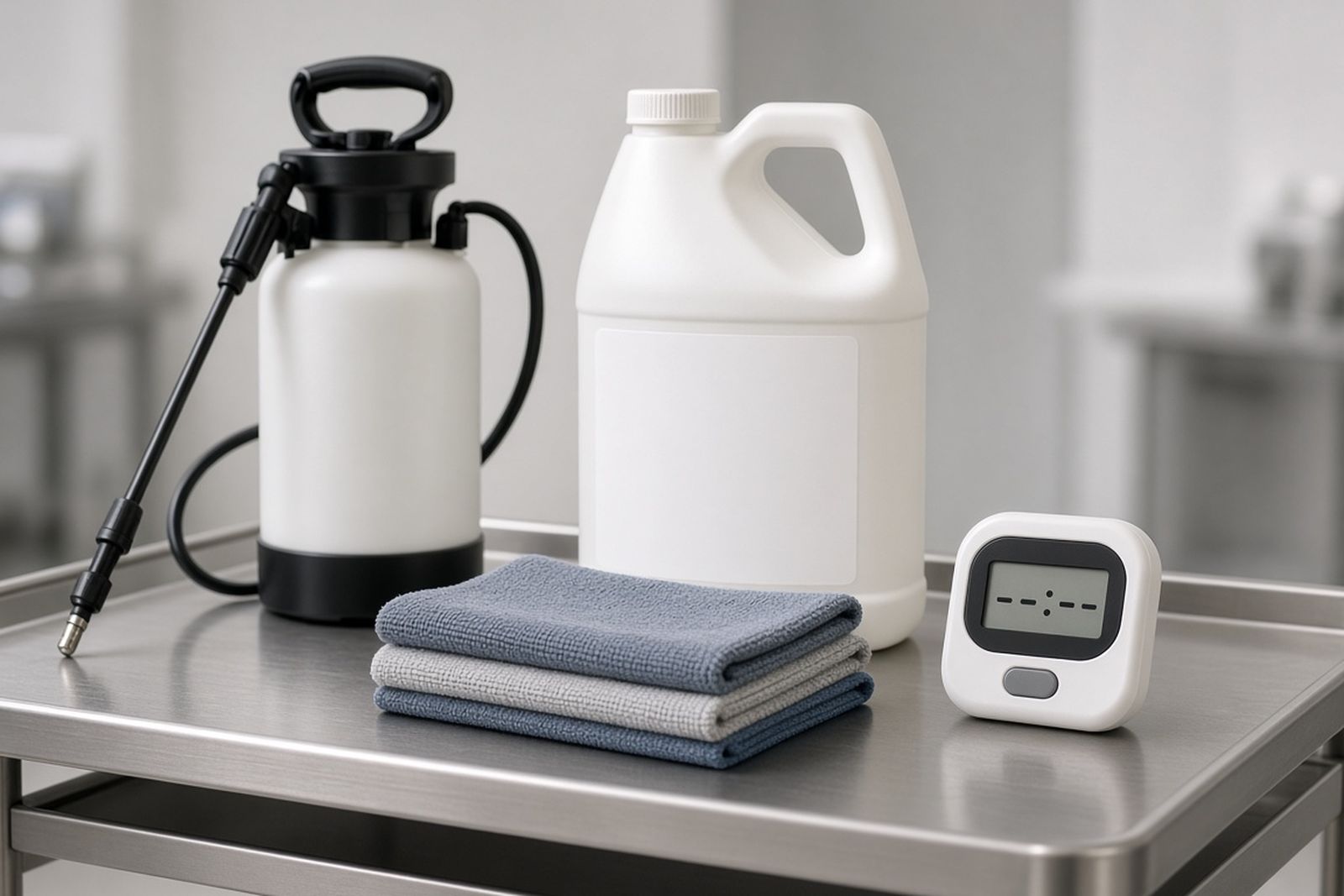
Pump sprayer, disinfectant jug, folded cloths and a contact-time timer on a steel cart
Illustrative photo, not a job record. Pump sprayer, disinfectant jug, folded cloths and a contact-time timer on a steel cart.

Infectious Disease Disinfection figures to keep in mind

National and research figures, not Southampton data. Local conditions, rules and providers vary; use these for scale and context only.

11

Six of 11 interviewees described concerns or problems from inhaling cleaning chemicals.

Read with care: Small voluntary sample; no causal inference; survey item nonresponse substantial.

Source: Wilson et al. (2023)59 Arizona survey respondents and 11 interviewees from maid services and a school district.

70.8%

70.8% favoured combining methods for cleaning and disinfection.

Read with care: Reported knowledge and practices, not observed compliance or infection outcomes.

Source: Centeleghe et al. (2024)137 healthcare-professional respondents; convenience/purposive online sample across the pandemic.

42%

An American Cleaning Institute survey found 42% of Americans were not letting disinfectant sprays and wipes stay wet long enough to work, with 26% wiping immediately after spraying.

Read with care: Trade-association survey conducted early in the pandemic; self-reported behavior.

Source: American Cleaning Institute (2020)United States, 1,005 adults surveyed March 18-19, 2020

These figures are public research and agency data, not this network's own job records. Keep each number with its population, year and limits; none of them predicts cost, timing or outcome at a specific property.

Plan before you reach out

Use the first 24 hours planner for immediate steps and the provider vetting checklist to confirm any Southampton provider's training, insurance and waste path in writing.

What research has found

Findings from published studies of people and properties in situations like this one. They describe what researchers observed in a specific group; they are not predictions for your case.

Every tested wipe product transferred bacteria to previously uncontaminated surfaces.
Who was studied: Six commercial wipe products; two bacterial strains on nonporous Formica.Limits: Specific products and strains; no general maximum area or disease outcome established.Cross-contamination by disinfectant towelettes varies by product chemistry and strain (2020)
Tested wipes moved C. difficile spores onto previously clean areas.
Who was studied: Non-sporicidal-claim wipes tested on Formica with C. difficile spores.Limits: Not a comparison of all sporicidal products; physical removal is not complete inactivation.Disinfectant wipes transfer Clostridioides difficile spores during the disinfection proc… (2020)

Infectious Disease Disinfection community polls

Poll results

Every count is a real visitor vote; nothing is seeded or padded. One vote per poll per device, and you can change your answer.

Your experience

When your facility had an illness cluster, how did you handle cleaning?

No visitor votes yet
Process

How did you decide whether to close all or part of the facility?

No visitor votes yet

Planning cleanup in Southampton?

Send a short message about the property to the follow-up inbox. A coordinator can reply by email with next steps.

Your request is sent to the follow-up inbox. A coordinator can reply by email.

If anyone is hurt or in danger, call 911 first.