If only one Greenwich guest cottage had an ill visitor, must the main house be fogged?
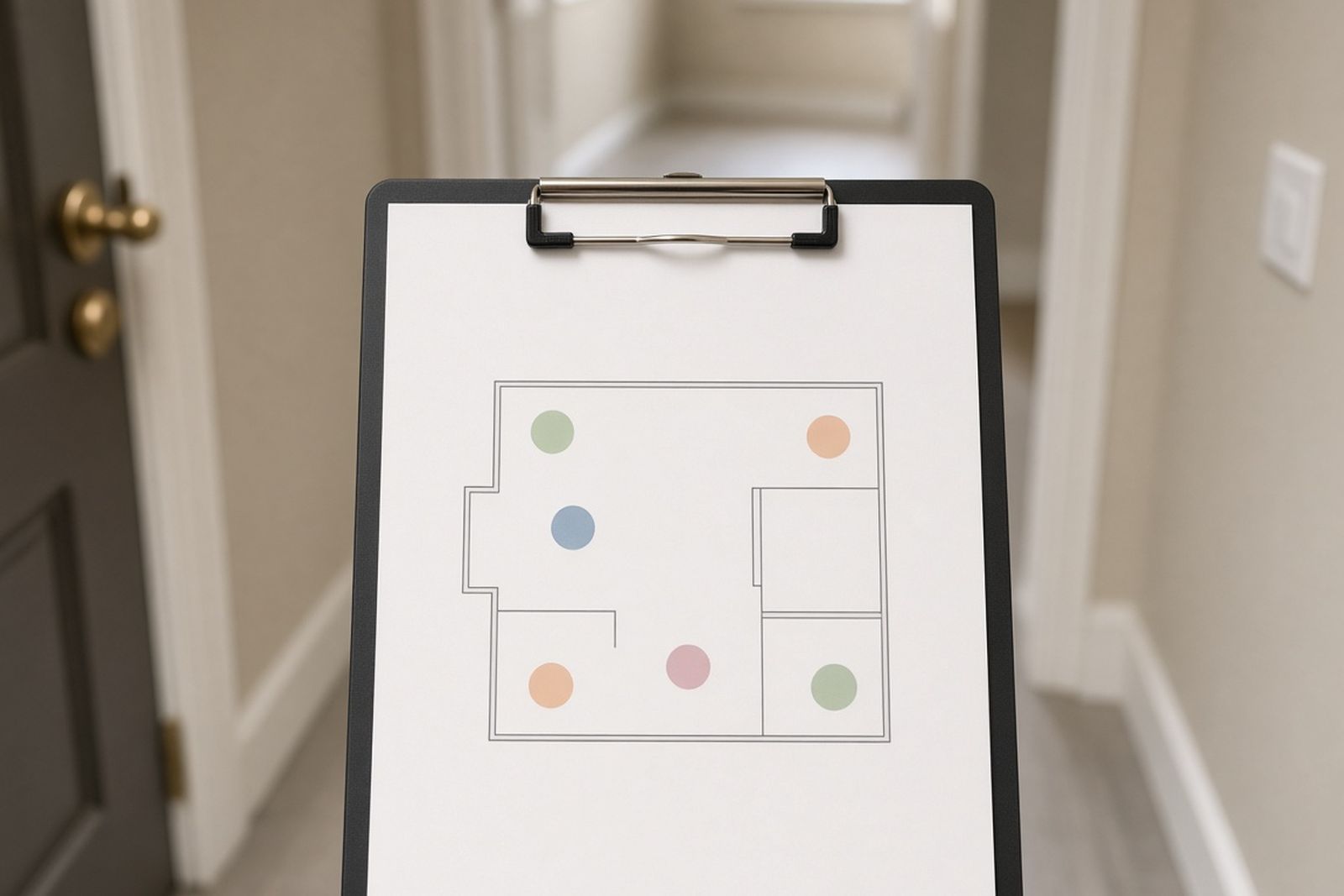
Not automatically. Base the plan on where the visitor spent time and which shared services could carry germs, such as laundry, kitchen, or cars. High-touch surfaces along those paths need cleaning and a labeled disinfectant kept wet for the full contact time. Decorative rooms no one treated should not be called sterile because the cottage was done. On the other hand, skipping a shared laundry room because "the bedroom was fogged" leaves a likely source behind. Write down what was included and left out. Use products that fit the germ, and don't assume List N covers every concern. Air out each building and reopen it on its own written schedule. Give the laundry shared by the cottage and main house its own line in the plan. Note whether the machines were wiped after washing the visitor's bedding.
How should Greenwich households with in-home caregivers talk about disinfection versus medical care?
Surface disinfection lowers germs on treated surfaces when products are used as labeled. It is not medical treatment, testing, or vaccination. Caregivers and clinicians still make the medical decisions. Household managers should share the reopening time and the product safety sheets that matter for the people living there. Don't ask cleaning workers for a diagnosis. Don't fog rooms around medically fragile people. If blood or certain body fluids are present, bloodborne pathogen planning for workers may apply. Never claim the home was sterilized to the level of hospital instruments. Move bathing and meal help out of rooms that are still in their wet time. Make safety sheets available to anyone staying on the property.
What verification should a Greenwich estate manager keep after outbreak-related disinfection?
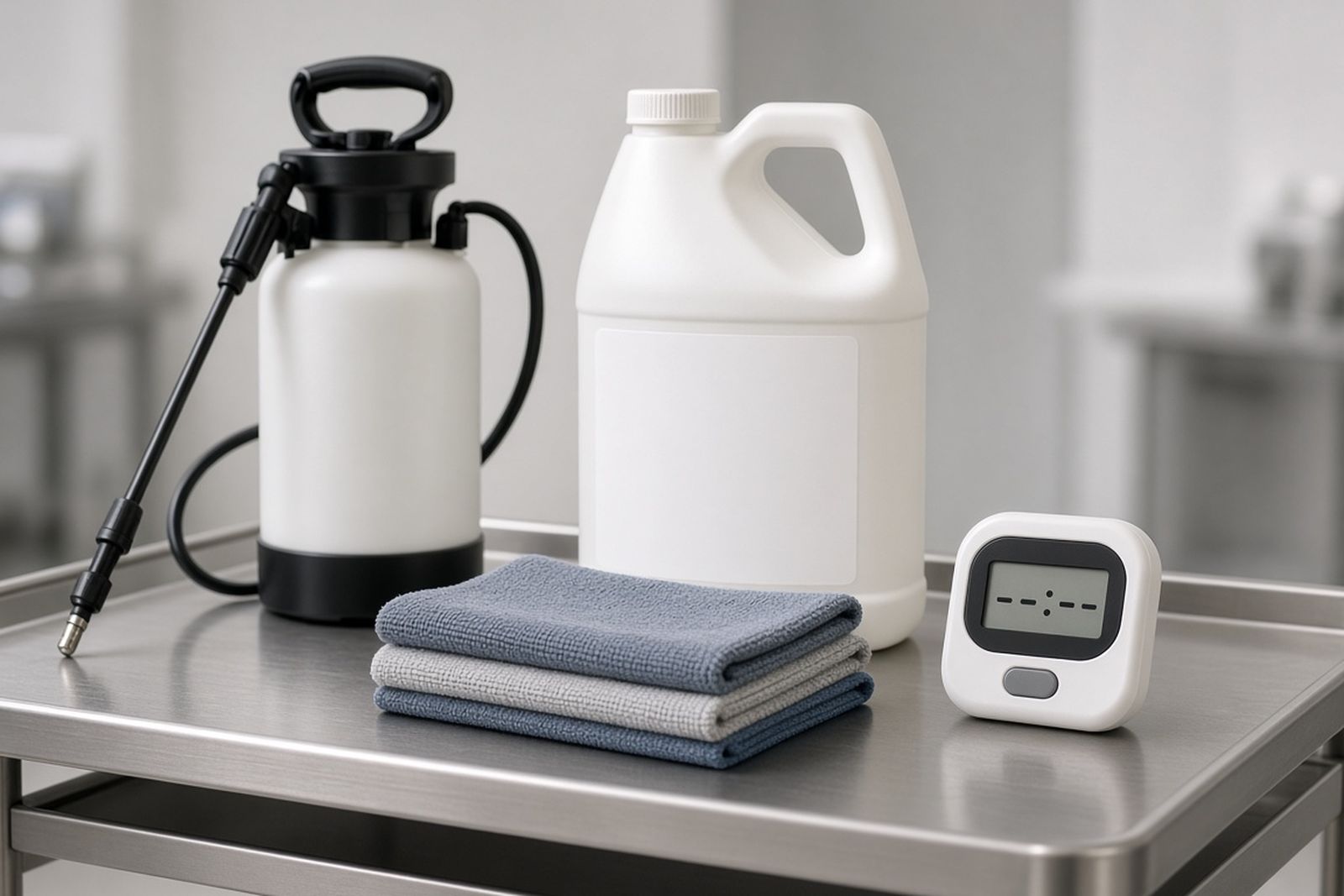
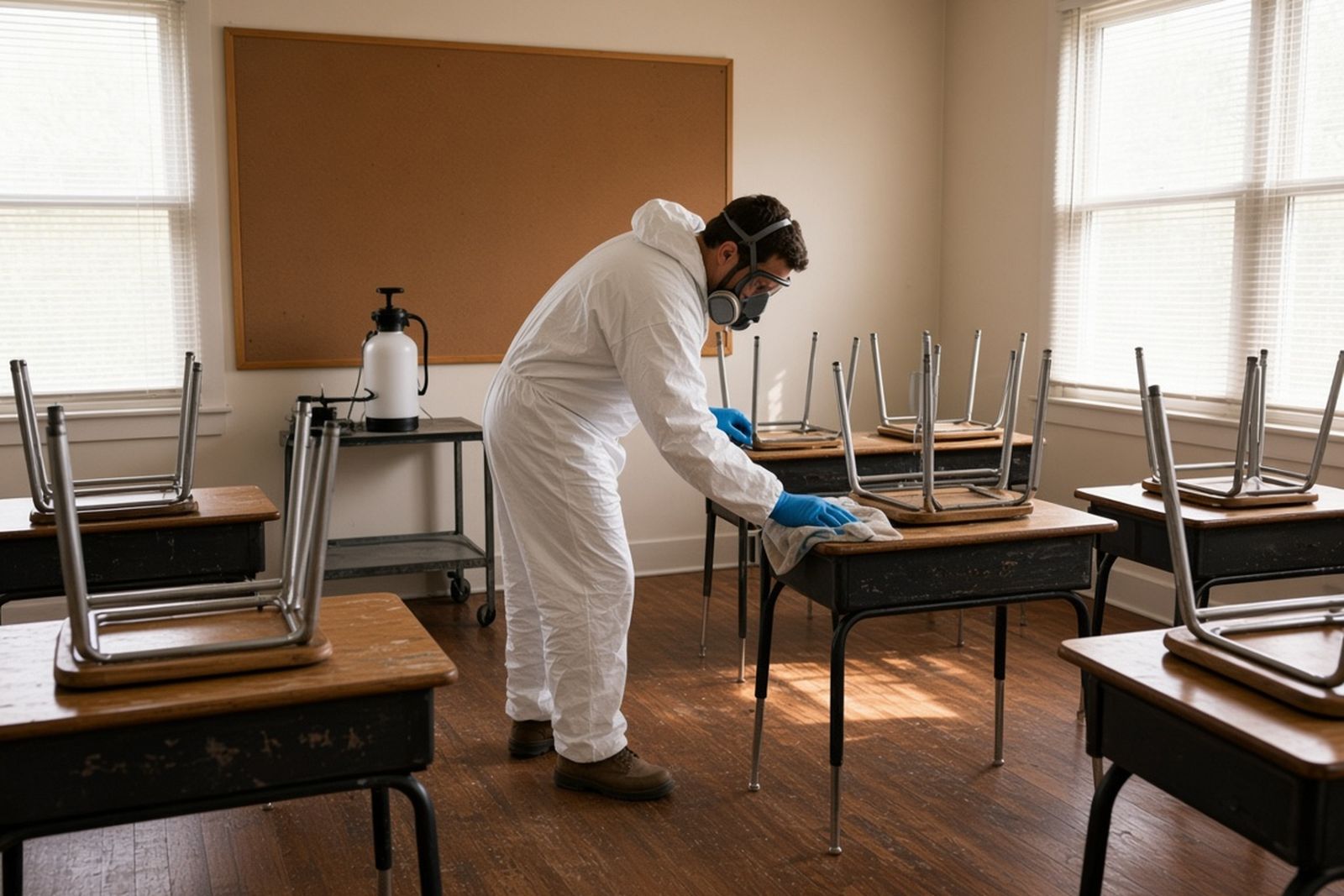
Keep EPA registration numbers, product names, rooms treated, and cleaning notes. Add timed wet-period records, decisions on fabrics, fresh-air steps, and reopening times. Photos of the prep work help show that grime was removed before any product went on. If a residue swab test was used, label it as a grime check only. It does not detect germs. Don't file a certificate that says all germs are gone forever. For questions about spread in the community, refer people to the Town of Greenwich Health Department or Connecticut DPH. Insurers may want the facts, not sales slogans. List carriage-house and pool-house exclusions in the same packet. Then insurers won't assume the whole estate was treated from one building's invoice.
Does winter closure of Greenwich homes change disinfectant contact-time practice?
Cold, sealed houses dry slowly and trap smells. That can lead staff to wipe surfaces dry early so the house "feels ready," which ruins the disinfecting. Keep the label's wet time even if rooms stay empty longer. Plan how you'll open doors in cold weather so you still meet the return instructions. Fabrics and other soft items may need more drying time after cleaning. Write down the actual times you used. The product still has to match the germ, and winter doesn't turn List N into a list for every germ. Radiator heat and closed storm windows can hold odors in. Note any door-opening or fan steps used after the wet time. Don't claim those steps sterilize the air.
How should outbreak notices be worded for Greenwich household staff and vendors?
Say which buildings or rooms are closed, when the wet time and return period end, and which entrances to use. Don't share diagnoses or name anyone who is sick. Explain that surface work lowers risk but doesn't guarantee no one gets sick. Sick people should follow their doctor's or public health advice about staying apart. Make the product safety sheets available if vendors will come in soon after. Keep a copy of the notice with the disinfection records. Send wider community questions to local or state public health websites instead of making up medical advice. Vendor notes should list which gates and kitchens stay closed and when deliveries can start again after airing out. Leave private diagnoses out of it.
Should a Greenwich family clean the cars used to drive a sick relative to appointments?
Yes, if the sick person rode in them. Door handles, seat-belt buckles, window switches, and the center console are hard surfaces people touch without thinking. Clean them with a product labeled for car interiors, follow its contact time, and keep the doors open for fresh air. Leather and fabric seats may need a cleaner made for those materials rather than a disinfectant. Put the estate cars in your written plan so drivers know which ones are done.
How can a Greenwich household keep school-age children safe during a household disinfection project?
Plan the work during school hours or an afternoon when children can be at a relative's house. Keep them out of treated rooms until the label's return time has passed. Store bottles, wipes, and sprayers in a locked closet, not on a kitchen counter or mudroom bench. Toys that go in a child's mouth need a product labeled for that use, or just a hot-water wash. Tell the children plainly which rooms are closed and why.