Local planning context
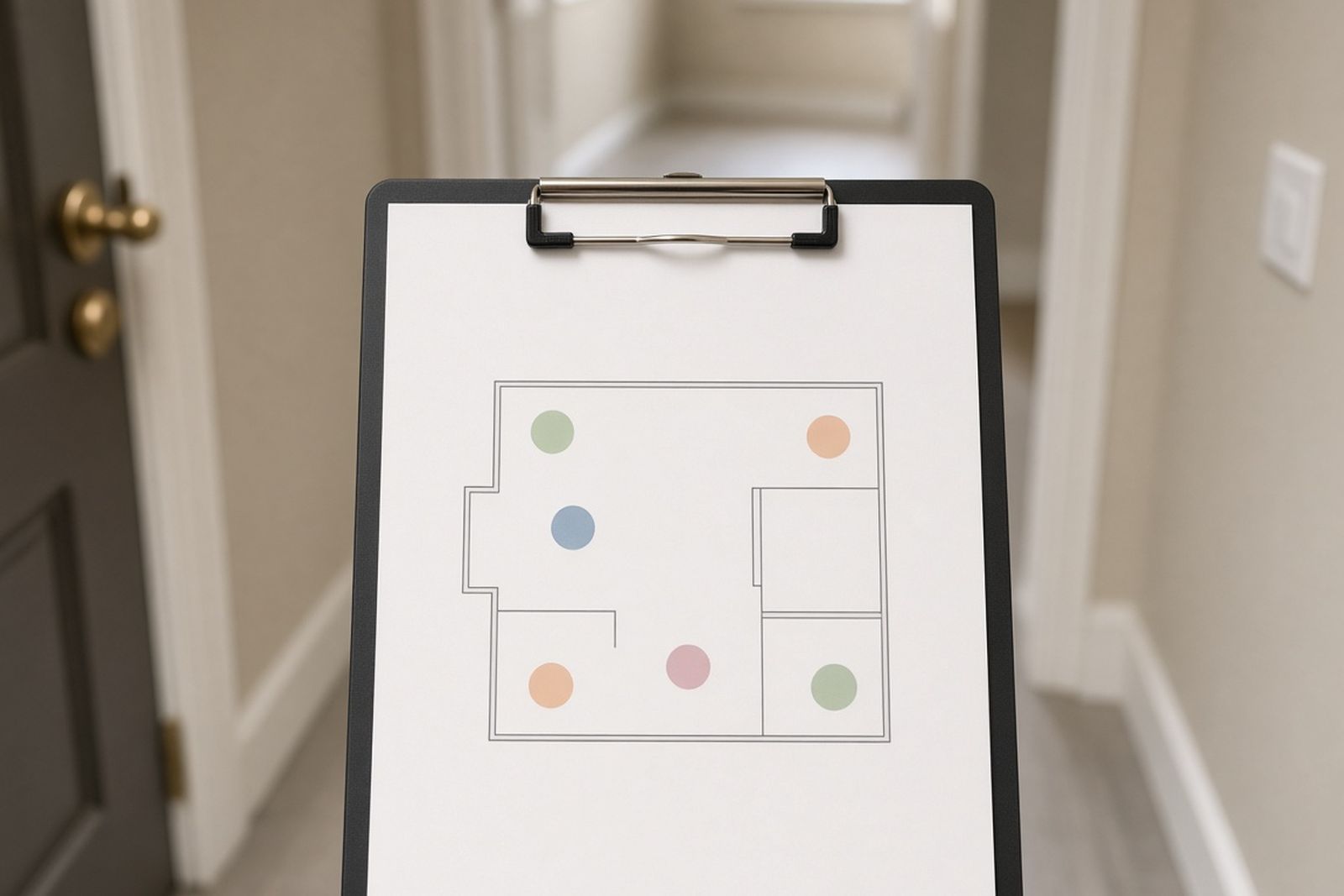
Family routines around the Village, local schools, and Peninsula commutes shape how illness moves through a Los Altos home. Backpacks land on mudroom benches. Kids refill water bottles at the same fridge handle. Shared bathroom taps get heavy morning use. A good response starts by listing those hand-off spots from while someone was contagious. Fogging a living-room corner nobody touches won't help. Santa Clara County Public Health messages can support your notices to the community. They don't turn a ranch house into a sterile clinic.
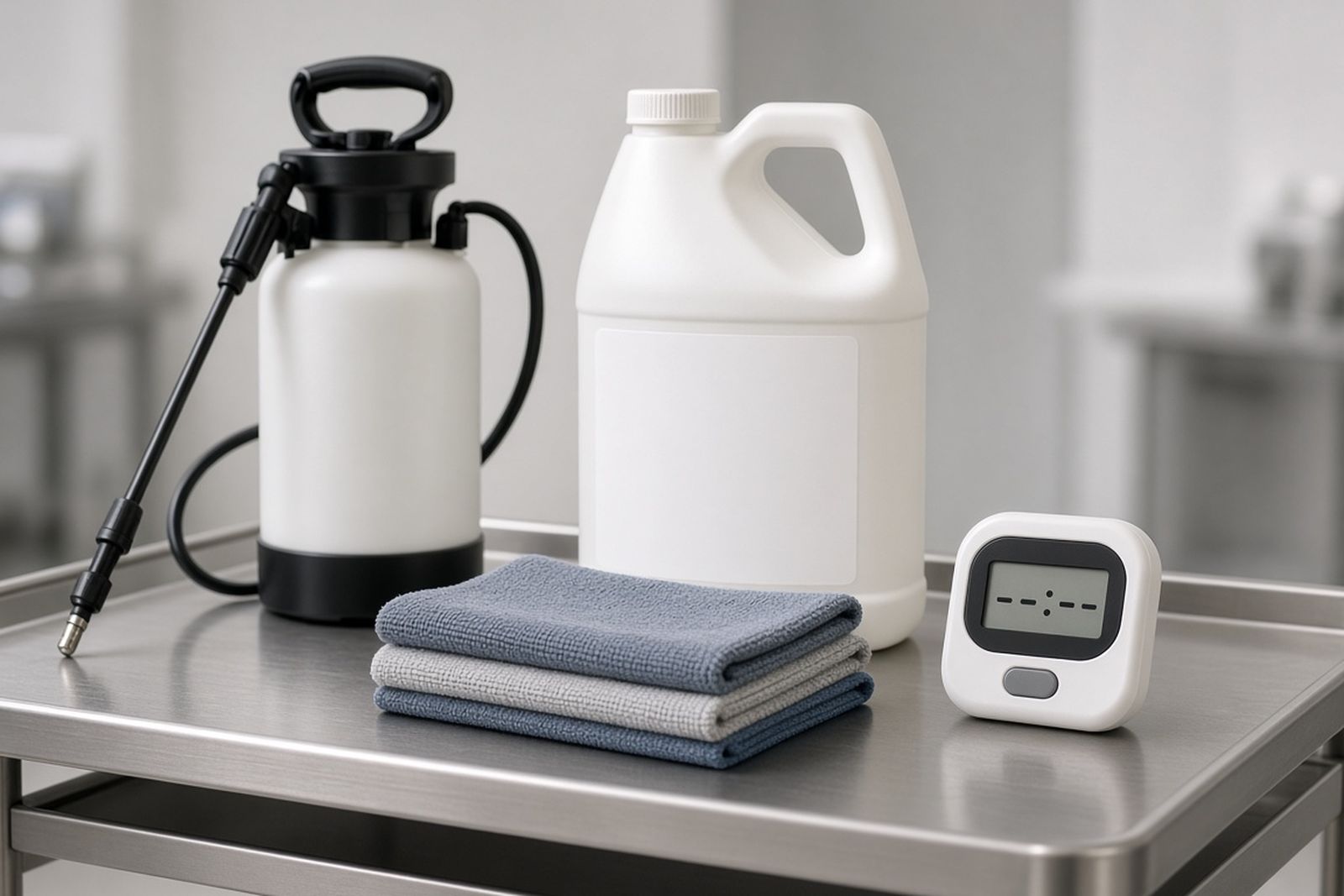
Downtown Village shops and second-floor office suites follow a different pattern. There's appointment traffic, shared restroom hardware, and reception counters that pass through many hands between clients. An illness plan for those suites should keep them empty long enough for the label's wet time. It should also keep food-prep kitchenettes separate from general desks. With hybrid work, a lunch-hour spray while someone keeps typing at the same keyboard just re-soils it right away.
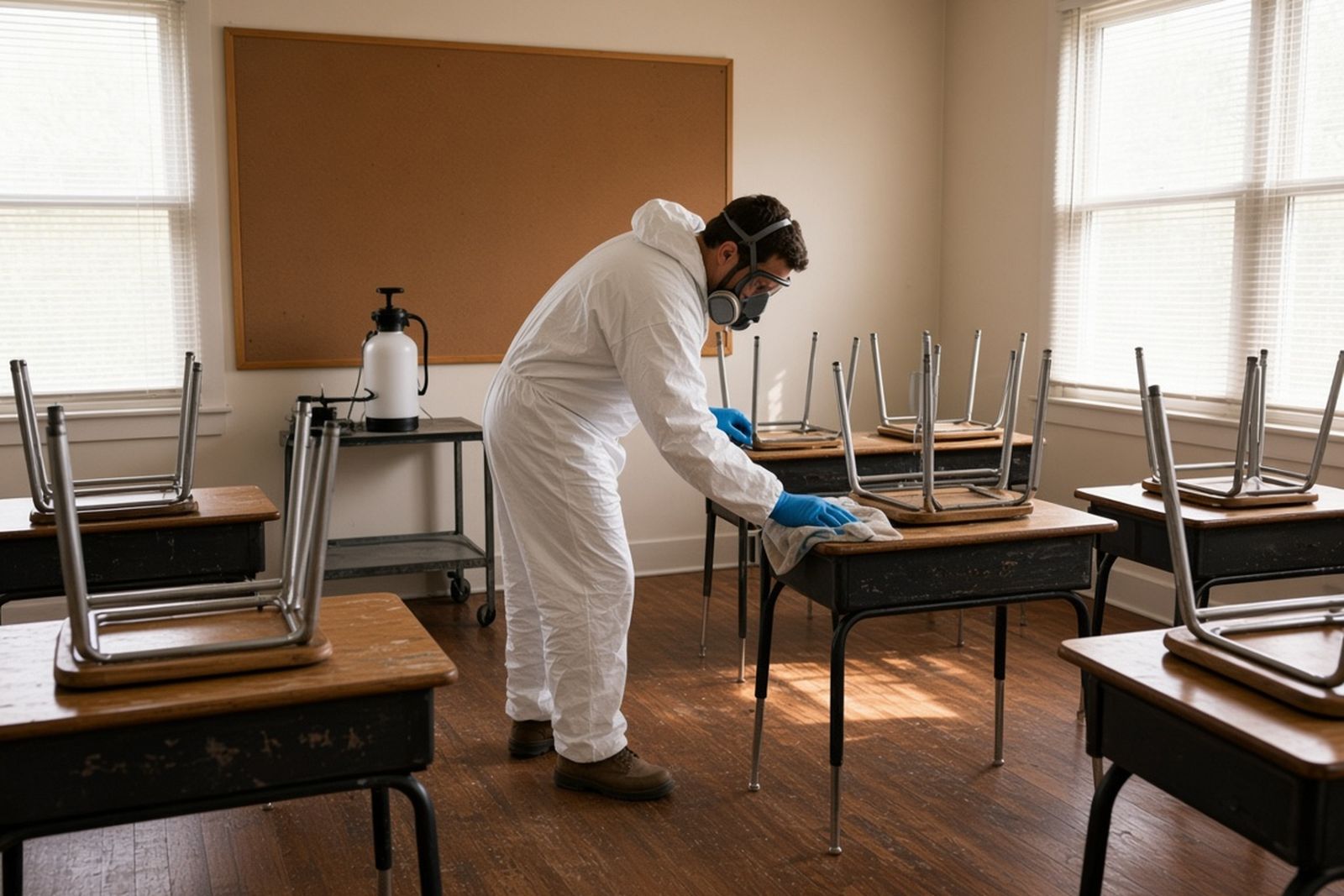
Older Peninsula homes often have small bathrooms. On pollen or smoke days, opening windows may not be an option. When smells linger in these homes, people are tempted to wipe surfaces dry too early. Stuffed toys, throws, and fabric dining chairs usually fall outside hard-surface labels. Write washing or temporary removal into the plan. If a Los Altos job turns up blood or other body fluids that can carry disease, plan for OSHA's worker blood rules. Ordinary cold-season wipe-downs don't earn a sterilization certificate.